
Tea drinker watching their sugar intake
You’re looking for something crunchy to enjoy with your tea and compare ‘of which sugars’ per 100 g. The ingredients list can also help you check whether any sources of sugar have been added.


If you’re watching your sugar intake, compare similar crispbreads for ‘of which sugars’ per 100 g, rather than relying solely on wording on the front of the pack. If you’d also like to consider fibre or avoid added sugars, check the ingredients, salt and allergens too. Sweet toppings can also affect which crispbread makes the best base.
You’re looking for something crunchy to enjoy with your tea and compare ‘of which sugars’ per 100 g. The ingredients list can also help you check whether any sources of sugar have been added.
You want to use crispbread as a base for toppings and look at fibre and salt as well as sugars. Check which grains and seeds your chosen variety contains.
For you, checking the ingredients and any ‘may contain’ warnings comes before comparing sugars or fibre. A sugar claim tells you nothing about the allergens in a product.
Start with the feature that matters most to you. Then compare the nutritional values of similar crispbreads per 100 g, as recommended by the Netherlands Nutrition Centre when comparing labels.
| What to consider | What to check when buying | Who it matters most to |
|---|---|---|
| Total sugars | Compare ‘of which sugars’ per 100 g and read the ingredients list if you also want to check for added sources of sugar. | If I mainly want less sugar in my crispbread, I need to be able to compare the value on the label rather than relying on a claim alone. This sugar content is the top priority for around 36% of consumers. |
| Fibre and salt | Check the fibre and salt values per 100 g alongside the sugar content. | For a savoury crispbread with toppings, I want to consider fibre without overlooking the salt. Around 29% of consumers give these nutritional values the highest priority. |
| Allergens | Read the current ingredients list and any ‘may contain’ warnings on the packaging. | If I need to avoid certain ingredients, I want to know first whether this crispbread is suitable for me. For around 21% of consumers, checking this comes before the other selection criteria. |
| Texture and toppings | Choose a type that works with your toppings, and take the sugars in sweet toppings into account. | I’m mainly looking for a crispbread that’s enjoyable to eat with tea and goes well with the toppings I want to use. For around 14% of consumers, this combination is the main consideration. |
This claim doesn’t tell you how much sugar the product contains in total. For example, TastyBasics’ product information lists 3.3 g of sugars per 100 g for its Poppy Seed crispbread.
When comparing similar crispbreads, also check the ‘of which sugars’ figure per 100 g.
According to Wasa’s product information, its High Fibre crispbread contains 26 g of fibre and 1.10 g of salt per 100 g. So the fibre value doesn’t answer every question about what’s in it.
Check the salt too, and read the ingredients and allergen information on the pack you’re buying.
Comparing per portion can be misleading when packs use different portion sizes.
Compare per 100 g first, then decide how much crispbread you want to have with your tea.
Jam, honey or syrup adds sugars to your tea break, whatever the sugar content of the crispbread itself.
Consider the crispbread and topping together if you want to keep an eye on your total sugar intake.
Albert Heijn stocks a range of Wasa crispbreads, including wholegrain and high-fibre varieties.
The Poppy Seed variety is another option to consider if you’d also like to compare the ingredients and nutritional values of a seeded crispbread.
Albert Heijn’s range includes several types of crispbread to compare, including wholegrain varieties.
This selection includes crispbread to use as a base for your own toppings, plus one filled crispbread sandwich to enjoy as it is. Compare the nutritional information and ingredients on the packaging before choosing, especially if sugars or allergens are a deciding factor.
 Image unavailable
A rye variety to consider if you want to enjoy crispbread with your own toppings alongside your tea. Check the pack for sugars and fibre per 100 g, and check the allergen information.
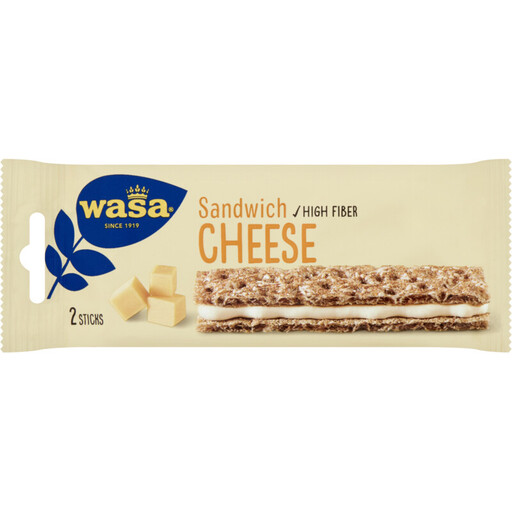 Image unavailable
A filled crispbread sandwich for anyone looking for a snack to enjoy with tea rather than a plain base for their own toppings. Check the packaging for the nutritional values and allergens of the whole product.
 Image unavailable
A variety to compare with other crispbreads if you want to look at both sugars and fibre. Check the values per 100 g and the ingredients on the pack.
 Image unavailable
A wholegrain variety for anyone looking for a base for their own toppings. Check the packaging for fibre, salt and allergens as well as sugars.
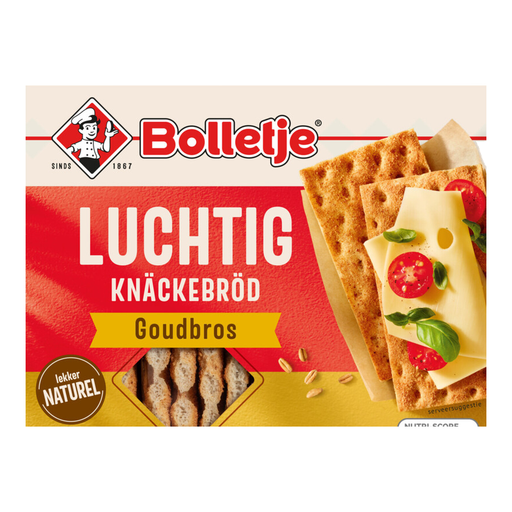 Image unavailable
A crispbread variety to compare if texture and finding a suitable topping matter to you. Don’t let the word ‘Light’ replace a comparison of sugars, fibre and salt per 100 g.
Compare similar crispbreads per 100 g using the ‘of which sugars’ figure. This value includes all sugars present; also read the ingredients if you want to know which sources of sugar have been added.
No. A claim about added sugars doesn’t tell you how much sugar the product contains in total. To check this, look at ‘of which sugars’ in the nutritional information per 100 g.
It may be worth considering if crispbread regularly replaces bread. The Netherlands Nutrition Centre points out that using iodised baker’s salt in bread isn’t compulsory; check the label to see which ingredients the crispbread contains.
Check the allergen information for the specific product, including any gluten-containing cereals, sesame, soya or milk if these are relevant to you. Read any product-specific ‘may contain’ warning too; a sugar claim is no substitute for checking this information.