What should you consider when buying?
Start with the nutritional values per 100 g so you can compare products on a like-for-like basis. Then decide whether fibre, salt or allergens will affect your choice of snack.
| What to consider |
What to check when buying |
Who is this most important for? |
| Sugar and toppings |
Compare ‘of which sugars’ per 100 g, read the ingredients and assess any topping or filling separately. |
When I put a snack together myself, I want to see how much sugar the crispbread base contains without having to interpret a claim on the pack. Around 50% of consumers prioritise sugar content when making this choice. |
| Wholegrains, fibre and salt |
Check which grains are listed in the ingredients and compare fibre and salt per 100 g. |
I’m looking for a wholegrain base and don’t want to focus on just one nutritional value if the salt content differs too. Around 30% of consumers consider wholegrains and fibre the most important factors in this choice. |
| Allergens |
Check the current label for both the allergens in the product and any possible traces that are listed. |
When I’m choosing a snack for someone with a relevant allergy, the ingredient and allergen information needs to be clear before serving. Allergen suitability is the top priority for around 20% of consumers. |
Brands to compare
Nutritional values apply to a specific variety, not to every product from the same brand. Always compare the pack you’re planning to buy.
Wasa
The range includes plain crispbread and filled sandwiches, which means you’ll need to compare different nutrition tables.
- Wasa Nederland lists 1.0 g of sugar and 9.0 g of fibre per 100 g for Goudbruin.
- Lichtgewicht contains 3.5 g of sugar and 20 g of fibre per 100 g. So don’t assume Goudbruin’s values apply to another Wasa variety.
Bolletje
Volkoren Knäckebröd Vezelrijk is a useful option to compare if you want to assess wholegrains and fibre as well as sugar.
- Jumbo lists 1.5 g of sugar and 14 g of fibre per 100 g for this variety.
- The same product information lists 0.97 g of salt per 100 g and ingredients including wheat, rye, barley and sesame.
Jumbo
Jumbo Knäckebröd Volkoren is an own-brand option whose sugar, fibre and salt content you can compare on the same basis.
- Jumbo lists 2.4 g of sugar, 10.9 g of fibre and 0.71 g of salt per 100 g for this variety.
- If you have allergies, check the current packaging for cereals containing gluten and any possible traces listed.
Goud Gebakken
Goud Gebakken is an ALDI brand with a wholemeal crispbread variety among its range.
- ALDI Nederland describes its Goud Gebakken Knäckebröd volkoren as a product made with wholegrains.
- If you want to compare this variety for sugar, salt or allergens, use the nutritional information on the pack you buy.
Ryvita
Original Crispbread is a rye variety you can compare with other crispbread products using its published nutritional values.
- Ryvita lists 2.4 g of sugar, 13.4 g of fibre and 0.75 g of salt per 100 g for Original Crispbread.
- These values are from Ryvita’s international product information; check the packaging of the variety you’re actually buying.
Crispbread and filled varieties on Joybuy
These products include both plain crispbread for your choice of topping and a filled sandwich that’s ready to eat. Compare the latest nutritional information per 100 g, and remember to check the values for the complete product when choosing a filled variety.
 Image unavailable
g'woon wholemeal crispbread, 375 g
A plain wholemeal base for when you want to choose your own topping. Before buying, compare the sugar, fibre and salt per 100 g on the label.
If you have allergies, check the latest information about cereals, sesame and possible traces.
View on Joybuy
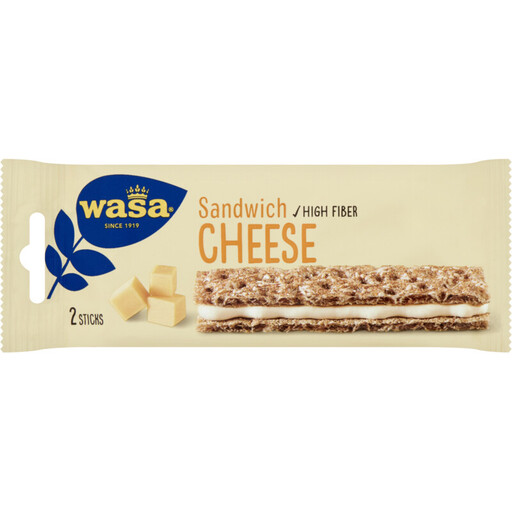 Image unavailable
Wasa Cheese Sandwich, 3 x 31 g
A filled option for a snack with no need to add a separate topping. Compare the sugar and fat content of the whole sandwich, not just the crispbread.
If allergens are relevant to you, check the latest label for milk, rye, sesame and possible traces.
View on Joybuy
 Image unavailable
Bolletje wholemeal crispbread, 265 g
A plain wholemeal option for adding your own topping and comparing sugar, fibre and salt side by side. Use the nutrition table on this pack to make your comparison.
If you have allergies, check the latest label for wheat, rye, barley, sesame and possible traces.
View on Joybuy
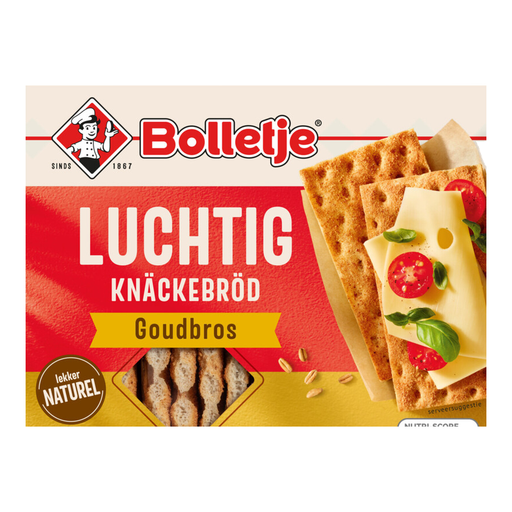 Image unavailable
Bolletje Light Golden Crisp crispbread, 240 g
A plain base for your choice of topping. Don’t take ‘light’ as a claim about sugar content: compare the nutrition table per 100 g to check this.
If you have allergies, check the latest label for wheat, sesame and possible traces.
View on Joybuy
 Image unavailable
Wasa Rustic crispbread, 215 g
A plain option for choosing your own topping. Compare the sugar content per 100 g, and check the fibre and salt values on the latest packaging too if they affect your choice.
If you have allergies, check the information about rye and possible traces of milk and sesame.
View on Joybuy
Frequently asked questions
Does ‘reduced sugar’ mean that crispbread contains no added sugar?
No, the terms don’t mean the same thing. Check the ingredients list for added sugar and the nutrition table for the total sugar content. For example, Wasa Nederland lists 1.0 g of sugar per 100 g for Goudbruin, while sugar is also listed among the ingredients.
Why compare crispbread per 100 g rather than per piece?
Comparing per 100 g lets you put the nutritional values of different packs side by side on the same basis, as recommended by the Netherlands Nutrition Centre. Then consider how many pieces you’ll serve and what topping you’ll add.
Can I choose any crispbread if I have coeliac disease or a grain allergy?
Not without checking the specific pack. The varieties described include wheat, rye or barley; some also list sesame, milk or possible traces. The Netherlands Food and Consumer Product Safety Authority says that allergen information for pre-packed products appears on the label.
Does crispbread always contain iodised baker’s salt?
No, you can’t tell from the product category alone. The Official Gazette describes a Dutch agreement that encourages the use of iodised salt in bread and bread substitutes, but you’ll need to check the product information or ask the manufacturer about a specific crispbread.
How should I store an opened pack of crispbread during the autumn holiday?
Follow the storage instructions on the product and seal the pack well after opening. Jumbo recommends storing its Knäckebröd Volkoren in a cool, dry place and keeping the pack tightly sealed after opening.


