
Students who get through a pack regularly
If crispbread is a regular feature at mealtimes, pack size and how much you use per meal matter more than they would for a one-off purchase.


If you regularly use crispbread as the base for a topped student meal, a larger pack of wholegrain crispbread may be a good option. If you’re a picky eater, a smaller pack or a thinner variety might be better for trying the texture first. Always check the ingredients and allergens: a sesame variety isn’t suitable if you have a sesame allergy.
If crispbread is a regular feature at mealtimes, pack size and how much you use per meal matter more than they would for a one-off purchase.
Want to know which types of flour the crispbread contains? Check the ingredients list and compare the fibre content per 100 g of the varieties you’re considering.
A thin or particularly firm texture could make all the difference. When trying a new variety, check the label for rye, wheat or sesame, too.
First, think about how often you’ll use the pack and what sort of crispbread you like to top. Then compare the ingredients and allergens of the varieties you’re considering.
| What to consider | What to check | Who is this important for? |
|---|---|---|
| Pack size and how you’ll use it | Compare the weight of each pack and think about how much crispbread you use for a topped meal. | If I eat crispbread often, I want a pack that suits how much I use. For around 42% of consumers, choosing a practical quantity to keep in stock would come first. |
| Wholegrain and fibre | Check which types of flour are listed in the ingredients and compare the fibre per 100 g of the exact varieties you’re considering. | I want to assess what’s in my regular base for toppings, rather than judge by the colour of the pack alone. Wholegrain ingredients and fibre would be the main priority for around 33% of consumers. |
| Texture and allergens | Check whether the variety is thin or firm, and read the ingredients and allergen information, including any warnings about traces. | If I don’t like a firm rye variety, I want to be able to choose a different texture without overlooking relevant allergens. For around 25% of consumers, this would be the main consideration. |
A golden-brown colour or a name that sounds dark doesn’t tell you which types of flour the crispbread contains.
Check the ingredients list for wholemeal flour and look at the fibre content per 100 g on the same pack.
A thin variety may contain different ingredients and allergens from the crispbread you’re used to. For example, a sesame variety isn’t suitable if you have a sesame allergy.
Whenever you try a new variety, read both the ingredients and any warnings about possible traces.
Voedingscentrum says that bakers aren’t required to use baker’s salt. So you can’t tell whether it’s present just from the type of product.
Check the label on the specific pack to see whether baker’s salt is listed in the ingredients.
Wasa’s crispbread range includes Wholegrain, Thin Rye Wholegrain and Rustic varieties, among others.
Jumbo Wholegrain Crispbread is a supermarket own-brand variety, sold in a 375 g pack.
Albert Heijn lists several types of crispbread, including wholegrain and sesame varieties.
Lidl Netherlands lists 250 g packs of Wholegrain Crispbread as an in-store product.
Ryvita Original and Dark Rye are rye varieties that can be useful for comparing ingredients.
These crispbread products come in different pack sizes and varieties: there are wholegrain options, a thin sesame variety and a rye variety. Choose according to the texture you’d like to top, and check the current packaging for the exact ingredients.
 Image unavailable
A 375 g pack to consider if you regularly top crispbread. Check the ingredients and allergens on the packaging.
Image unavailable
A wholegrain option in a 265 g pack, for anyone comparing the ingredients in a base for toppings. Check the ingredients and allergens for this variety on the label.
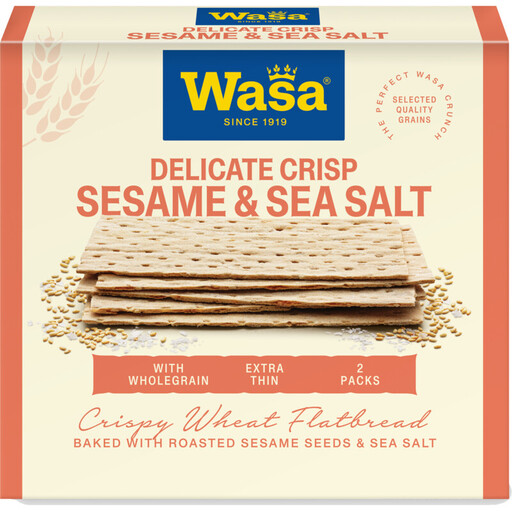 Image unavailable
A 190 g thin sesame variety to consider if texture is a key factor for you. As it contains sesame, it isn’t suitable if you have a sesame allergy; check the other allergen information, too.
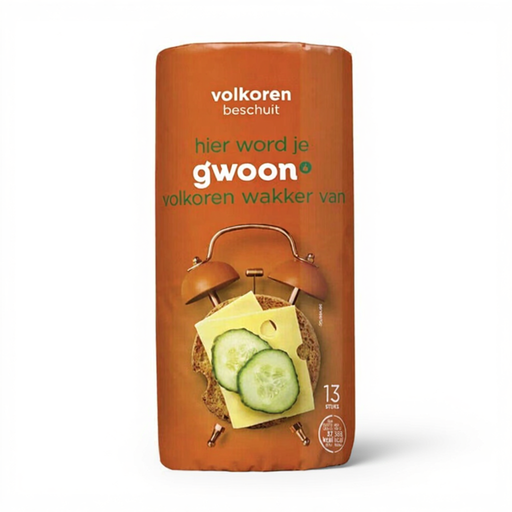 Image unavailable
The 125 g pack is a good option if you’d like to try a variety in a smaller quantity first. Check the ingredients and nutritional information for this specific product.
 Image unavailable
A 215 g pack to consider if you’re looking for a Rustic variety as a base for toppings. Check the label for this product’s ingredients, allergens and nutritional information.
No, not if it’s made from wheat or rye. Jumbo lists both grains in its Wholegrain Crispbread; according to the ingredients shown by Jumbo, Wasa Wholegrain contains rye. If you have an allergy or intolerance, always read the label on the variety you choose.
Compare the nutritional information per 100 g on the exact two packs you’re considering. Jumbo lists 10.9 g of fibre per 100 g for Jumbo Wholegrain Crispbread and 20 g per 100 g for Wasa Wholegrain; remember to check the ingredients and allergens, too.
No, you can’t tell from the product name. Voedingscentrum says that bakers aren’t required to use baker’s salt; check the ingredients list on the pack you’re buying.
Seal the pack well after opening and store the crispbread in a dry place. Jumbo says to store its Wholegrain Crispbread in a cool, dry place and to reseal it securely after opening.