When choosing crispbread for a few snack occasions, focus on the net weight, the number of pieces and how you’ll use the pack once it’s open, rather than the term ‘half loaf’. A smaller pack may suit occasional use better; if you’re planning several snack occasions, a larger pack can be practical as long as you’ll use it all. If you have a dietary requirement, always check the ingredients and allergen information for the exact variant.
Who is this choice relevant to?
Small households with the occasional snack
If you only eat crispbread now and then during the autumn half-term, the total amount matters more than a term such as ‘half loaf’. Compare the net weight and check whether the pack contains individual inner packs before estimating how much will be left once it’s open.
Families serving snacks several times
A pack with more pieces may work well for several snack occasions, as long as you’ll use the contents. Jumbo, for example, lists an own-brand pack of 5 × 5 pieces; the number makes it easier to compare the quantity with your plans.
Shoppers with an allergy or dietary requirement
With rye, wheat or sesame, what you need to check depends on the exact variant. Read the current ingredients and allergen information on the pack; the product name alone won’t tell you everything you need to know.
What should you look for when choosing?
First, work out how many snack occasions you’re planning. Then choose the type of crispbread and check that the ingredients meet any dietary requirements before you buy.
| What to consider |
What to check when buying |
Who it matters to |
| Quantity and leftovers |
Compare the net weight, the number of pieces and whether there are individual inner packs. |
If I’m only planning a few snack occasions, I don’t want an open pack sitting around for too long. For around 36% of consumers, the amount they can use up comes first. |
| Grain and flavour |
Check the ingredients for wholegrains and flavourings such as sesame or herbs; choose a flavour to suit your planned toppings. |
If I want to top crispbread in different ways, I first choose a grain and flavour that will work with them. Around 29% of consumers prioritise this choice. |
| Allergens and dietary requirements |
Check the ingredients and allergen information for the exact variant. Only assume it’s gluten-free if that’s explicitly stated on the product. |
If I need to avoid gluten or a particular allergen, the label should guide my choice, not the shape of the cracker. For around 21% of consumers, suitability for their diet is the main requirement. |
| Number of snack occasions |
Compare the number of pieces with how many times you want to serve them; for filled sandwiches, bear in mind their shorter storage guidance once opened. |
For several family snack occasions, I want to have enough pieces without opening more than we’ll use. Around 14% of consumers consider practical serving the most important factor. |
For storage, the Netherlands Nutrition Centre offers a useful distinction: ordinary crispbread can be kept in a kitchen cupboard for one month after opening, compared with 2–5 days for filled crispbread sandwiches once opened. Also check the storage instructions on the pack. There’s a separate point to consider when choosing grains: according to the Netherlands Nutrition Centre, wholegrain products contain more fibre and other nutrients than white grain products. That alone won’t tell you which flavour or pack is right for your snack occasions.
Common mistakes
-
Assuming a small pack contains individual portions
A low net weight tells you how much the whole pack contains, but not how the contents are divided up inside. Dutch product listings from Albert Heijn and Jumbo give weights and piece counts; ‘half loaf’ isn’t a useful measure for working out whether there are individual packs inside.
If you only want to open a portion at a time, check both the total quantity and the number of inner packs on the packaging.
-
Assuming rye crispbread is gluten-free
Rye is a grain that contains gluten. Wholegrain or rye crispbread is therefore not automatically suitable if you need to avoid gluten.
If that applies to you, choose only a variant explicitly labelled gluten-free and check the current ingredients and allergen information for that exact pack.
-
Storing ordinary crispbread and filled sandwiches in the same way
The Netherlands Nutrition Centre says ordinary crispbread can be kept in a kitchen cupboard for one month after opening, but filled crispbread sandwiches should be kept for 2–5 days. This difference matters if you plan to spread your snacks across the whole holiday.
Choose the type that suits when you plan to eat it, and follow the storage instructions on the packaging too.
Relevant brands and ranges
Wasa
The Jumbo range includes Wasa variants with different grains, flavours and pack sizes, including Wasa Wholegrain at 260 g.
- You can compare variants by grain, flavour and the information on each pack.
- An ordinary rye variant isn’t automatically gluten-free; check any dietary claim for each product.
Leksands
Albert Heijn lists Leksands Knäcke Original with a net weight of 175 g.
- That gives you a specific pack size to compare if you’re planning only a few snack occasions.
- The net weight doesn’t tell you whether the contents are divided into individual portions.
Albert Heijn
The range includes AH Sesame Crispbread at 200 g, as well as crispbread from other brands.
- The stated pack size makes it possible to compare an own-brand variant with other packs.
- Albert Heijn notes that product information can change; for ingredients, nutritional values and allergens, use the current information for the exact variant.
Jumbo
Jumbo lists its own-brand wholegrain crispbread as 5 × 5 pieces, 375 g in total, alongside Wasa variants.
- The stated number of pieces is useful when you’re planning several snack occasions.
- At 375 g, it’s worth thinking ahead about how you’ll use the contents once the pack is open.
Ryvita
Ryvita’s UK range includes Original, Dark Rye and Multigrain crispbread.
- The different product names give you a starting point for comparing the grain and flavour of each variant.
- For a purchase in the Netherlands, check the packaging and ingredients of the specific product; UK product information won’t tell you what’s in it.
Crispbread for different snack occasions
These products range from a filled sandwich for a ready-to-eat snack to crispbread you can top yourself. Focus on comparing the amount in each pack with how you plan to use it; a listing that mentions several pieces doesn’t confirm that they’re individually wrapped.
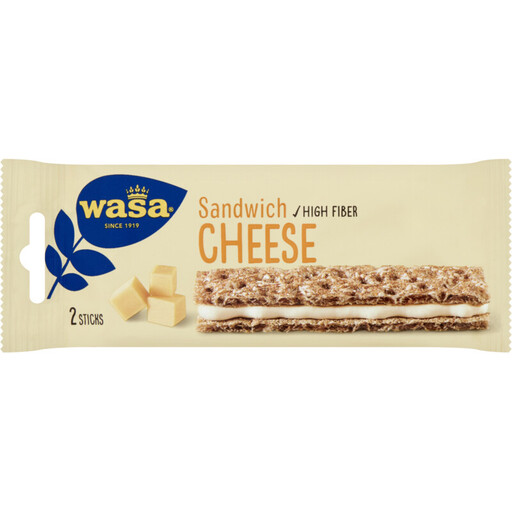 Image unavailable
Wasa Cheese Sandwich, 3 × 31 g
A filled sandwich for snack occasions when you don’t want to add your own toppings; this isn’t a plain crispbread base. The title states 3 × 31 g. If you use it after opening, bear in mind the shorter storage guidance the Netherlands Nutrition Centre gives for filled crispbread sandwiches, and check the label if you have an allergy.
View on Joybuy
 Image unavailable
Bolletje Whole Grain Crispbread, 265 g
An option to consider if you want to add toppings to crispbread for several snack occasions. The product name states that the pack contains 265 g; check the inner packaging if you only want to open part of it at a time. If you have an allergy, read the current ingredients and allergen information.
View on Joybuy
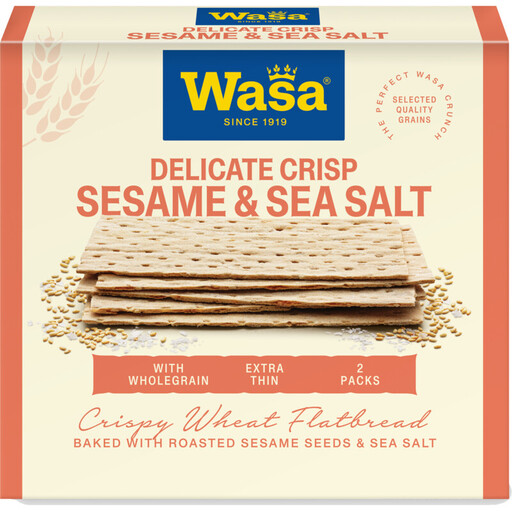 Image unavailable
Wasa Thin Crisp Sesame, 190 g
This 190 g sesame variant may suit you if you’re looking for a smaller total quantity for a few savoury snack occasions. Check that the flavour works with your toppings, and read the current label if you have a sesame or grain allergy.
View on Joybuy
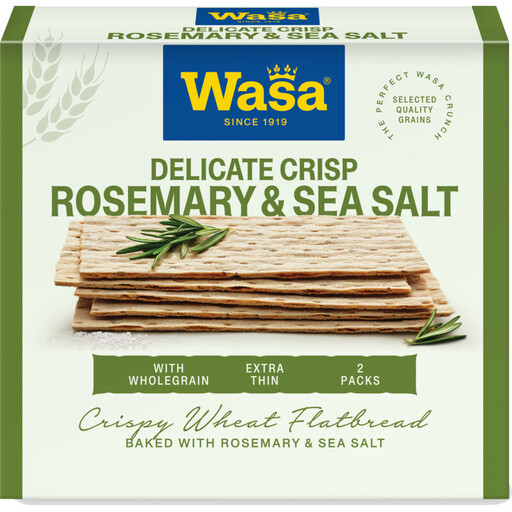 Image unavailable
Wasa Thin Crisp Rosemary & Salt, 190 g
The 190 g rosemary and salt variant is one to compare with other flavours if you’re planning savoury snacks. Consider whether the herby flavour will work with your toppings; check how the contents are divided up and look for any allergen information on the packaging.
View on Joybuy
 Image unavailable
Wasa Rustic Crispbread, 215 g
This 215 g pack is an option if you want to top your own snacks on more than one occasion. Compare the number of pieces and the inner packaging with your plans; if you have a dietary requirement, check the ingredients of the exact variant.
View on Joybuy
Frequently asked questions
Is ‘half loaf’ a standard pack size for crispbread?
Don’t use ‘half loaf’ as a measure of how much you’re buying. Dutch listings from Albert Heijn and Jumbo describe the packs in question by weight or number of pieces, so compare the net weight, the number of pieces and whether there are individual inner packs.
How long can I keep crispbread once it’s open?
The Netherlands Nutrition Centre recommends keeping ordinary crispbread in a kitchen cupboard for one month after opening. For filled crispbread sandwiches, it recommends 2–5 days once opened. Follow the instructions on the packaging too, and don’t eat the product if you notice mould.
Is rye crispbread suitable if I need to avoid gluten?
Ordinary rye crispbread isn’t suitable: rye is one of the gluten-containing grains listed by the Netherlands Food and Consumer Product Safety Authority. Look for a variant explicitly labelled gluten-free and check the current allergen information on the pack.
What should I look for in crispbread containing sesame?
If you have a sesame allergy, check the ingredients and allergen information for the exact variant. The Netherlands Food and Consumer Product Safety Authority lists sesame seeds as an allergen that consumers must be informed about; don’t rely on the product name or an image alone.


