When choosing crispbread for a small household, consider the pack size, how much you’ll actually use and the storage instructions—not the search term ‘half loaf’. A wholegrain rye option can make a good everyday staple if gluten isn’t an issue. If you’re after a more distinctive flavour for lunch or drinks, a thin sesame variety may be a better fit. Either way, check the ingredients and allergen information for the product you choose.
Who is this for?
Small households managing their cupboard stock
If one or two of you don’t eat crispbread every day, compare the pack size with how much you actually use. Check the storage instructions too: Albert Heijn advises keeping Leksands Original in a cool, dry place away from light.
Anyone looking for an everyday wholegrain staple
If you regularly eat crispbread for breakfast or lunch, check the wholegrain claim and nutritional information for each product. According to the Netherlands Nutrition Centre, a product can only be called ‘wholegrain’ if it is made entirely from wholegrain flour. You can also compare the fibre content per 100 g.
Anyone with a specific dietary priority
If gluten, other allergens or protein content influence your choice, read the information for the individual variety. The product name alone won’t tell you whether it meets all your dietary needs.
What should you look for when choosing?
First, think about how much crispbread you use at home and what you’ll use it for: an everyday breakfast or lunch staple, or something with a more distinctive flavour for a particular occasion. Then check the packaging and nutritional information for the product you’re considering.
| What to consider |
What to check before buying |
Who it matters to |
| Pack size and cupboard stock |
Compare the weight in grams with how much you use, and read the storage instructions and any information about inner packaging. |
If I don’t eat crispbread every day, I want to finish a pack without buying more than I’ll use. Around 40% of consumers prioritise keeping a suitable amount in stock. |
| Wholegrain and fibre |
Look for the wholegrain claim on the packaging and compare the fibre content per 100 g. |
For a regular breakfast or lunch, I’m mainly looking for a grain-based option that suits the way I eat. For around 30% of consumers, choosing a wholegrain option for everyday use is the top priority. |
| Flavour and texture |
Check the product type and ingredients, such as sesame or sourdough, and compare the salt content per 100 g. |
For a lunch platter or drinks, I’m mainly looking for a flavour and texture that work well with the toppings. A distinctive flavour for a particular occasion is the top priority for around 20% of consumers. |
| Diet and allergens |
Read the current ingredients, allergen information and possible traces. If protein is a priority, compare the nutritional information per 100 g too. |
If I need to avoid a particular ingredient or am consciously keeping an eye on protein, that requirement determines which products I can consider. Around 10% of consumers put a specific dietary priority first. |
Common mistakes when choosing
-
Treating ‘half loaf’ as a standard pack size
Jumbo and Albert Heijn list their crispbread products by weight and product type. So the search term won’t tell you how much crispbread is in a pack.
Check the actual pack weight, how much you use and the storage instructions rather than relying on the term.
-
Judging a flavoured variety as an everyday nutritional choice
Sesame, a thin shape or sourdough may suit the occasion you have in mind, but none of these tells you how much fibre or salt the product contains.
First decide what you want to use the product for, then check the nutritional information per 100 g.
-
Assuming gluten-free or high-protein means allergen-free
According to Jumbo, the Wasa Sesame & Sea Salt gluten-free variety reviewed contains sesame and may contain milk, soya and mustard. A high-protein wheat variety is still a wheat product.
Before choosing, check the ingredients, allergens and possible traces for each individual variety.
-
Assuming every pack contains iodine
The Netherlands Nutrition Centre says bakers aren’t required to use baker’s salt. So you can’t tell from the crispbread category alone whether a particular pack contains iodine from baker’s salt.
If this matters to you when buying, check the product-specific ingredients information.
Brands to consider
Wasa
Jumbo’s range includes several Wasa varieties, including wholegrain, thin, sesame and sourdough options.
- You can compare different product types within the brand for everyday use and occasions when you want more flavour.
- Ingredients, nutritional values and allergens vary by variety, so don’t judge them by the brand name alone.
Leksands
Leksands Original is a rye crispbread for anyone considering a wholegrain rye option.
- PLUS lists 97% wholegrain rye flour in the ingredients for Original; Albert Heijn lists 20 g of fibre per 100 g.
- Original contains rye, so it contains gluten. Albert Heijn also lists 1,2 g of salt per 100 g for this variety.
Albert Heijn
Albert Heijn’s range also includes own-brand crispbread, including a sesame variety.
- This gives you another product type to consider alongside branded options.
- Check the ingredients, nutritional values and packaging for the specific AH variety you choose.
Ryvita
Ryvita is listed as a crispbread brand on a Kruidvat brand page.
- The brand may be worth considering if you’re specifically looking for crispbread.
- Compare pack sizes and ingredients for each individual product, rather than relying on the brand name.
Products for different occasions
This Joybuy selection includes a thin sesame variety and products you could consider as staples for regular mealtimes. Pack sizes vary, so choose an amount that suits how much you use and check the storage and allergen information for each variety.
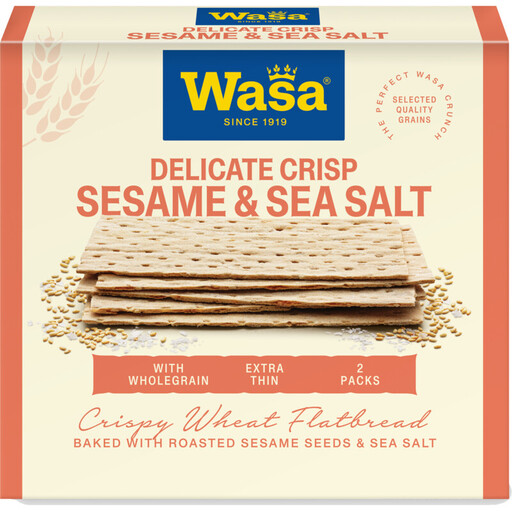 Image unavailable
Wasa Thin Crisp Sesame 190 g
For anyone looking for a thin sesame variety for a one-off lunch or drinks. The pack contains 190 g; check the allergen information and storage instructions on the packaging.
View on Joybuy
 Image unavailable
Bolletje Whole Grain Crispbread 265 g
For anyone considering wholegrain crispbread as a regular staple. The pack contains 265 g; check whether the packaging and storage instructions suit the way you use it.
View on Joybuy
 Image unavailable
Wasa Wholegrain Crispbread 260 g
For anyone looking for wholegrain crispbread for breakfast or lunch. The pack contains 260 g; compare that amount with how much you use, and check the ingredients if allergens are a concern.
View on Joybuy
 Image unavailable
Wasa Rustic Crispbread 215 g
For anyone who wants to compare a rustic crispbread variety with a different pack size. The pack contains 215 g; read the ingredients and storage instructions before adding it to your regular cupboard stock.
View on Joybuy
 Image unavailable
Wasa High-Fiber Crackers 300 g
For anyone considering crackers as a regular staple and wanting to compare the nutritional information. The pack contains 300 g; check whether you’ll use that amount and read the fibre content per 100 g on the label.
View on Joybuy
Frequently asked questions
How should I store crispbread if I use a pack over several occasions?
Follow the storage instructions on the packaging you choose. Albert Heijn advises keeping Leksands Original in a cool, dry place away from light. Once opened, check whether your pack has any extra instructions for sealing it.
Does all crispbread contain iodine from baker’s salt?
No, you can’t tell from the product category alone. According to the Netherlands Nutrition Centre, bakers aren’t required to use baker’s salt. If iodine matters to you, check the ingredients information for the specific product.
Is gluten-free crispbread also free from other allergens?
No. According to Jumbo, Wasa Gluten- & Lactosevrij Knäckebröd Sesame & Sea Salt contains sesame and may contain milk, soya and mustard. Check the current allergen and traces information for each variety.


