For a small barbecue, start by choosing a pack you’re likely to use up. Compare the net weight with the number of pieces or portions shown on the label. A smaller pack means buying less, but it won’t necessarily prevent leftovers, so check how to store the crispbread once opened. Then make sure the ingredients, nutritional information and allergens suit what you want to serve your guests.
Who is this choice relevant to?
Anyone shopping for a small barbecue
You want to serve crispbread as a base for nibbles without having lots left over. Compare the net weight and, where stated, the number of pieces or portions. Also check how to store any leftovers once the pack is open.
Anyone keeping an eye on fibre and nutritional information
You’re looking for a crunchy base for toppings and want to compare options by their nutritional value. Check the fibre per 100 g on the label of the exact product, alongside the ingredients and pack size.
Anyone considering guests’ allergens
If a guest needs to avoid certain ingredients, you can’t rely on the name crispbread alone. Check the allergens for each variety, including any statements about the possible presence of other allergens.
What should you look for when choosing?
Start with how much you want to serve, then choose a variety to suit the toppings and your guests’ needs. Don’t treat ‘half loaf’ as a standard measure for crispbread: net weight and the stated number of pieces or portions are more useful for comparing packs.
| What to consider |
What to check |
Who it matters most to |
| Quantity and leftovers |
Compare the net weight, any stated number of pieces or portions, and the storage advice for once the pack is open. |
I want to shop for one small barbecue without ending up with a large amount left over. For around 42% of consumers, keeping the amount they buy to a minimum comes first. |
| A base for toppings |
Check the ingredients and choose a variety to suit the toppings you plan to serve; if you’re choosing a seeded variety, check the allergens too. |
If I’m serving crispbread with toppings, I want to choose a flavour and product type that suit the occasion. For around 33% of consumers, this is their first consideration. |
| Nutritional information and allergens |
Check the fibre per 100 g, and review the allergens and ‘may contain’ statements for the exact variety. |
When I’m buying for guests with dietary restrictions, I need to know what they can eat; nutritional value can also influence my choice. For around 25% of consumers, this label information is the top priority. |
Common mistakes
-
Choosing a larger pack to avoid leftovers
A large pack isn’t automatically right for a one-off barbecue. For example, Jumbo lists 25 portions in its 375 g wholegrain crispbread pack. Anything left afterwards will still need to be stored or used later.
First, work out how many pieces you want to serve. Then compare pack sizes and follow the storage advice if you plan to use the rest.
-
Confusing wholegrain or seeded crispbread with gluten-free
Wasa’s wholegrain variety lists rye and gluten-containing cereals. So a product name that mentions wholegrain or seeds doesn’t tell you whether that particular variety is suitable for a guest who needs to avoid gluten or another allergen.
Read the allergen information on every pack you choose, including any ‘may contain’ statements. If a guest needs to eat gluten-free, choose only a variety that is explicitly labelled as suitable.
-
Assuming crispbread always contains baker’s salt
According to the Voedingscentrum, using baker’s salt in bread is not compulsory. So don’t assume crispbread contains a particular type of salt just because of the product category if the type of salt used matters to your choice.
Check the ingredients on the pack you’re buying.
Brands to compare
Compare specific varieties and pack sizes. A brand name alone tells you little about the quantity, ingredients or allergens of the product you’re choosing for your barbecue.
Wasabröd / Wasa
Wasa offers several types of crispbread in Dutch supermarket ranges.
- Albert Heijn lists 20 g of fibre per 100 g for Wasa Wholegrain.
- That wholegrain variety also lists rye and gluten-containing cereals. Check the ingredients and allergens for each variety.
Ryvita
Ryvita describes Original Crispbread as a rye-based product.
- According to Ryvita’s product specifications, Original Crispbread contains 88 g of wholemeal rye flour and 13.4 g of fibre per 100 g.
- When buying, check which pack size and nutritional information apply to the product on offer.
Albert Heijn
Albert Heijn stocks crispbread from a range of brands, as well as its own products.
- The range includes different pack sizes to compare, including a 150 g product.
- Check the label on the pack you buy for ingredients, allergens and nutritional value.
Jumbo
Jumbo stocks both its own crispbread and products from other brands.
- Jumbo lists 25 portions in a 375 g pack of its wholegrain crispbread, which can help when planning how much to buy.
- The same variety lists gluten, rye and wheat. Check the rest of the allergen information on the label too.
Lidl
Lidl describes crispbread with sunflower seeds or pumpkin seeds in a 264 g pack.
- These varieties offer a specific choice of ingredients and flavour for serving as a base for nibbles.
- Check the full ingredients and allergen information on the pack in store.
Aldi
Aldi lists Goud Gebakken wholegrain crispbread.
- The stated 25 pieces in a 375 g pack can help you estimate how many you’ll be able to serve.
- For a small, one-off barbecue, it’s worth considering whether you’ll use the remaining pieces later.
Crispbread on Joybuy
These crispbread products mainly differ in pack size and variety. For a small barbecue, choose an amount you expect to use; a larger pack may be more suitable if you’ll want crispbread after the barbecue too. Check the label when you buy for ingredients, allergens and nutritional information.
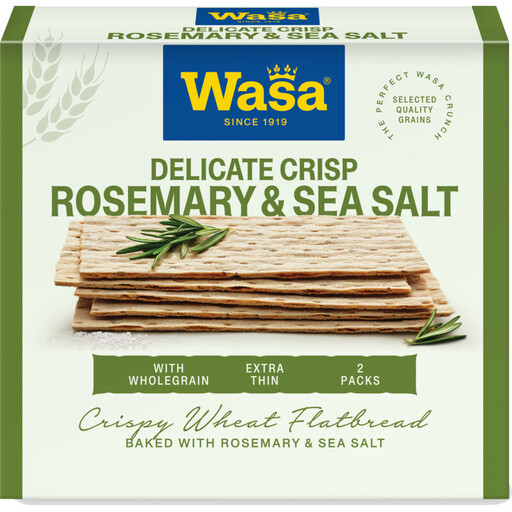 Image unavailable
Wasa Thin Crisp Rosemary & Salt, 190 g
The 190 g pack is an option if you want to buy a smaller amount for your barbecue. This variety is called Rosemary & Salt. Check the label for ingredients and allergens before serving it to guests.
View on Joybuy
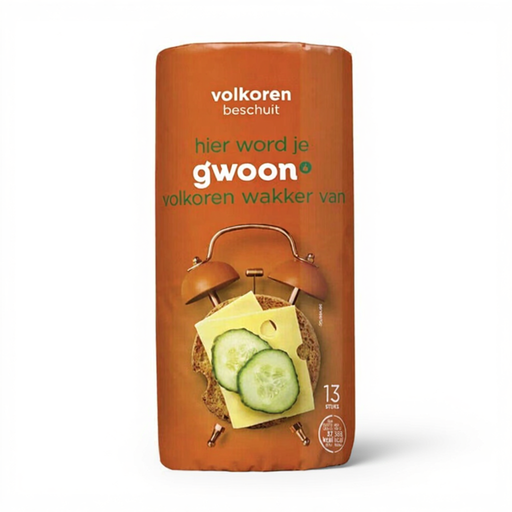 Image unavailable
g'woon Wholegrain Crispbreads, 125 g
At 125 g, this is a smaller pack in this selection, making it a good option if you want to buy less. Compare the number of pieces on the pack with how much you need for your barbecue, and check the label if ingredients or allergens are important.
View on Joybuy
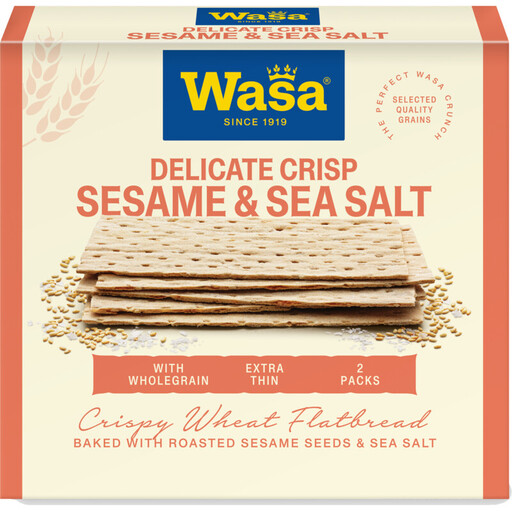 Image unavailable
Wasa Thin Crisp Sesame, 190 g
The 190 g pack is a good option if you want to buy a smaller amount. Sesame identifies the sesame variety; check the label carefully if you’re considering your guests’ allergens.
View on Joybuy
 Image unavailable
Bolletje Whole Grain Crispbread, 265 g
Consider this 265 g pack if you want to eat crispbread after the barbecue too. Whole Grain indicates the wholegrain variety; compare the nutritional value per 100 g and read the allergen information on the label.
View on Joybuy
 Image unavailable
Wasa High-Fiber Crackers, 300 g
With a 300 g pack, it’s worth planning what you’ll do with any leftovers after a small barbecue. If fibre is important to your choice, compare the nutritional value per 100 g on the label rather than relying on the High-Fiber variety name alone.
View on Joybuy
Frequently asked questions
What does ‘half loaf’ mean for crispbread?
Don’t use ‘half loaf’ as a measure of how much crispbread to buy. For a small barbecue, compare the net weight and, if stated, the number of pieces or portions on the pack.
How should I store crispbread left over after the barbecue?
Follow the storage advice on the pack you’ve chosen. For its wholegrain crispbread, Jumbo recommends storing it in a cool, dry place and sealing the pack well after opening.
Does crispbread always contain iodine because of baker’s salt?
Don’t assume that a pack of crispbread is made with iodised baker’s salt without checking the label. According to the Voedingscentrum, using baker’s salt in bread is not compulsory. So if the type of salt used matters to your choice, check the ingredients of the specific crispbread product.


