For Sinterklaas Eve, it’s better to serve two different types of crispbread than to look for one compromise to suit everyone. For example, pair a simple wholegrain rye variety with a thinner crispbread or one made with several grains. Check the ingredients on each pack if you specifically want to combine white and wholegrain varieties: a light colour or thin shape doesn’t tell you which types of flour have been used. When choosing, remember to take your guests’ allergies into account.
Who are you putting the platter together for?
Families with different preferences
If not everyone likes the same texture or grain flavour, you can pair a wholegrain rye variety with a thinner option or a crispbread made with several grains. That way, guests can choose what they’d like with their toppings.
People comparing wholegrains and fibre
Compare the ingredients and fibre per 100 g on a like-for-like basis. Wasa lists 20 g of fibre per 100 g for its Wholegrain variety; Bolletje lists 14 g per 100 g for its wholegrain crispbread. These figures don’t predict which flavour your guests will prefer.
Guests for whom allergens are a deciding factor
Check the current label on every variety before serving. The products mentioned contain rye, wheat, barley or sesame, among other ingredients; some varieties may also carry a warning about possible traces.
What should you look for when choosing?
First, choose two varieties that differ enough in their grains and texture. Then compare the nutritional information on a like-for-like basis and check the relevant allergens for each guest.
| What to consider |
What to check when buying |
Who it matters to |
| Flavour and texture |
Compare the grains, thickness and any seeds; thin crispbread isn’t automatically white crispbread. |
If guests enjoy different flavours and textures, I don’t want to serve one strongly flavoured variety for everyone. Around 36% of consumers put this first. |
| Wholegrains and fibre |
Check which flours have been used and compare the fibre per 100 g shown on the label. |
Anyone looking for a wholegrain variety will want to base that choice on the ingredients and comparable nutritional information. This is the most important factor for around 29% of consumers. |
| Allergens |
Check both the ingredients and the information about possible traces on the current packaging. |
If a guest has a food allergy, I need to know which variety I can serve before putting the platter together. This is the main concern for around 21% of consumers. |
| Keeping it crisp |
Check the storage instructions and keep the pack tightly sealed until you’re ready to use it. |
If I prepare the platter in advance, I want to stop the crispbread going soft from moisture in the toppings. Around 14% of consumers give this the highest priority. |
Common mistakes
-
Assuming wholegrain always tastes mild
Wholegrain crispbread can vary in grain type, thickness and added seeds. A classic rye variety won’t necessarily serve the same purpose on the platter as a thin variety with sesame.
Compare the ingredients and, if preferences vary, choose two varieties that are clearly different.
-
Judging a white-and-wholegrain blend by its colour
A light-coloured or thin cracker doesn’t have to contain a blend of white and wholegrain flours. Wasa Thin Rye Wholegrain, for example, is a thin rye variety.
If that blend matters to your choice, check the label to see which flours have actually been used.
-
Checking only the front of the pack for allergens
The type of grain and any seeds matter to guests with allergies. The Netherlands Food and Consumer Product Safety Authority explains that allergens must be clearly identifiable in the ingredients list.
Check each pack to see which grains it contains and whether any possible traces are mentioned.
-
Assuming all crispbread contains iodised baker’s salt
The mention of salt doesn’t tell you which type was used in a specific product.
If the type of salt matters to your purchase, check the ingredients list or ask the manufacturer which salt was used.
Brands to consider
Wasa
The range lets you compare a classic wholegrain rye variety with Thin Rye Wholegrain, a thinner variety with sesame.
- For Wholegrain, Wasa lists rye wholemeal, yeast and salt as ingredients, and 20 g of fibre per 100 g.
- Thin Rye Wholegrain contains sesame and may contain traces of milk, according to Wasa; check the label on the pack you choose.
Bolletje
Bolletje Wholegrain Crispbread combines wholegrain wheat and rye with ingredients including malted barley and sesame.
- Bolletje states that this variety is made with 100% wholegrains and contains 14 g of fibre per 100 g.
- Wheat, rye, barley and sesame are relevant when checking for allergens; check the current packaging for details.
Ryvita
Dark Rye is worth considering if you’re looking for crispbread with a simple rye base.
- For its UK product, Ryvita lists wholegrain rye flour, rye flour and salt, with 92 g of wholegrain rye flour per 100 g of product.
- This information relates to the UK variety; compare the ingredients with the Dutch label on the pack you buy.
Leksands
According to the Swedish product information, Normalbaked is a crispbread made with wholegrain rye.
- For its Swedish pack, Leksands lists 97% wholegrain rye flour, along with water, yeast and salt.
- If you’re buying a Dutch pack, check the ingredients and nutritional information again; the Swedish details don’t necessarily describe the same label version.
Crispbread to suit different preferences
These products give you some options for a Sinterklaas Eve platter with a choice of grains or textures. Check each pack to make sure the variety suits your guests’ preferences and takes their allergies into account.
 No image available
Wasa Lightweight Crackers 300 g
If you’d like to serve these crackers alongside a classic rye variety, compare the thickness and ingredients on the pack. Check for allergens before serving them to guests, too.
View at Joybuy
 No image available
Bolletje Wholegrain Crispbread 265 g
An option to serve alongside rye-based crispbread if you’d also like to offer a variety made with several grains. The product details list wholegrain wheat and rye, malted barley and sesame; Bolletje states that it contains 14 g of fibre per 100 g. Check the current allergen information because it contains these grains and sesame.
View at Joybuy
 No image available
Wasa Wholegrain Crispbread 260 g
A good choice if you want a simple wholegrain rye variety on the platter. Wasa lists wholegrain rye flour, yeast and salt as ingredients and states that it contains 20 g of fibre per 100 g. The product contains rye; the Dutch product page mentions possible traces of sesame and milk.
View at Joybuy
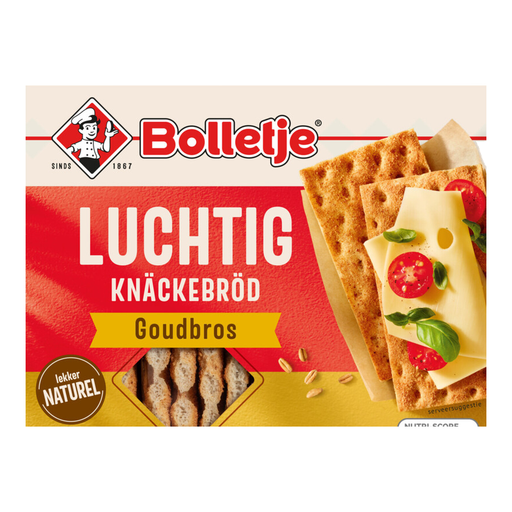 No image available
Bolletje Light Golden Crisp Crispbread 240 g
Consider this variety if you’d like to offer a different texture alongside wholegrain rye. Compare its ingredients with your other choice and check the allergens on the pack before serving.
View at Joybuy
Frequently asked questions
Is one type of crispbread enough for a table with different preferences?
Two different varieties give guests more choice of grain and texture. For example, you could serve a classic wholegrain rye variety alongside a thinner crispbread or one made with several grains. If anyone has allergies, remember to check both packs.
Is rye crispbread gluten-free?
No, rye is a gluten-containing grain. Check the ingredients list and information about possible traces on the current label for every variety, especially if a guest has a food allergy.
Does crispbread always contain iodised baker’s salt?
No, don’t assume every crispbread is made with it. If the type of salt matters to your choice, check the ingredients list or ask the manufacturer which salt was used in that specific product.
How do I keep crispbread crunchy until Sinterklaas Eve?
Store it according to the instructions on the pack and seal an opened pack tightly. Add moist toppings to the crispbread shortly before serving.


