
If you’re keeping an eye on fibre
You’re looking for crispbread to complement your usual meals and want to compare the fibre content of wholegrain and other varieties.


When topping up your shopping, start with your main requirement: compare wholegrain crispbread or varieties labelled as high in fibre if fibre matters to you, but if you follow a strict gluten-free diet, choose only a product clearly labelled gluten-free. Then check the pack for fibre per 100 g and per serving, ingredients, allergens and pack size; the variety name won’t tell you all of that.
You’re looking for crispbread to complement your usual meals and want to compare the fibre content of wholegrain and other varieties.
You need a clear gluten-free label and should also check the ingredients and allergen information. A name that sounds wholegrain or high in fibre is no substitute.
You want to pick up a pack that suits how much you use. The weight, number of pieces and availability in store are useful details to consider.
If you need a gluten-free product, start there. Otherwise, compare the nutritional information of varieties that suit how you plan to use them and the pack size you want. According to the Netherlands Nutrition Centre, an average 10 g piece of wholegrain crispbread contains 1.4 g of fibre, but check the pack of the product you choose for its specific values.
| What to consider | What to check when buying | Who it matters to |
|---|---|---|
| Fibre | Compare fibre per 100 g and per usual serving; check whether the variety you’ve chosen is wholegrain. | I want to know how much fibre my crispbread actually provides. Fibre is the top priority for around 36% of consumers. |
| Gluten-free label | Check the clear gluten-free label, ingredients and allergen information on the current pack. | If I follow a strict gluten-free diet, I shouldn’t base my choice on a wholegrain name. Around 29% of consumers prioritise clear gluten-free information. |
| Pack and retailer | Check the weight, number of pieces and whether you can pick up the variety at the shop where you do your grocery shopping. | I don’t want to buy more crispbread than I’ll use, and I want to be able to buy it straight away. This practical consideration matters most to around 21% of consumers. |
| Taste and texture | Choose a variety that suits your toppings and when you plan to eat it; don’t use the variety name as a substitute for checking the nutrition label. | For my lunch, it matters whether I want light or firmer crispbread. This preference comes first for around 14% of consumers. |
A fibre claim describes the product you’ve chosen, not your overall diet. The Netherlands Nutrition Centre also discusses fibre in other plant-based foods.
Compare the amount per serving and consider what else you eat, rather than basing your choice on a single product name.
A wholegrain label doesn’t mean that the crispbread is suitable for someone who needs to follow a strict gluten-free diet. Even with an oat variety, you should check specifically for a gluten-free label.
Check the gluten-free label, ingredients and allergen information on the pack every time you buy.
A larger pack won’t necessarily suit a small top-up shop, especially if you only eat crispbread occasionally.
Think about how many pieces you expect to use and follow the storage advice on the pack once it’s opened.
According to the Netherlands Food and Consumer Product Safety Authority, iodine compounds may be present in bread, bread substitutes and other bakery products because iodised baker’s salt has been added. This doesn’t mean that every crispbread has the same ingredients or iodine content.
Check the ingredients list on the specific pack to see whether iodised salt is listed.
Albert Heijn and Jumbo stock a range of Wasa crispbread varieties.
Albert Heijn sells its own crispbread varieties, including a product specifically labelled gluten-free.
Jumbo lists its own 375 g wholegrain crispbread alongside varieties from other brands.
Lidl lists a wholegrain crispbread product as available in store only.
ALDI lists Goud Gebakken wholegrain crispbread in a pack of 25 pieces weighing 375 g.
This selection includes wholegrain crispbread, varieties where fibre is a key consideration, a light variety and a topped crispbread snack. Check the nutritional information and allergens on the current pack before choosing.
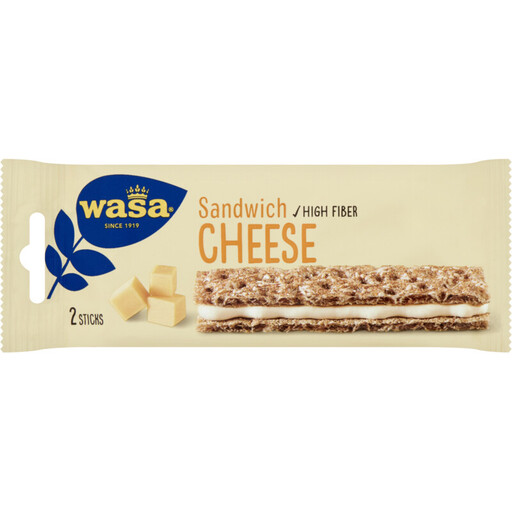 Image unavailable
A topped crispbread snack that’s handy if you want to take individual portions with you. Check the ingredients and allergens if you need to avoid certain ingredients.
 Image unavailable
Worth a look if fibre is your main point of comparison. Check the pack to see how much fibre is in a serving, and check the ingredients if you have dietary restrictions.
 Image unavailable
A good fit if you’re looking for an everyday wholegrain pack. Check whether the 375 g size suits you, and compare fibre and salt on the label.
 Image unavailable
A wholegrain option if you’re looking for a 265 g pack. Check the nutritional information per 100 g and the allergens before comparing it with another variety.
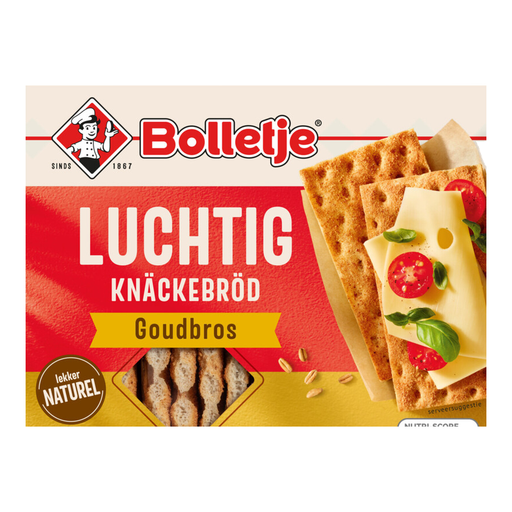 Image unavailable
A light option if texture is what matters most to you. For this 240 g pack, it’s particularly important to check the current ingredients list for sesame if you have a sesame allergy. Only compare fibre values when they use the same unit and basis.
Compare the fibre per 100 g and per serving on the packs you’re considering. The Netherlands Nutrition Centre gives 1.4 g of fibre as the average for a 10 g piece of wholegrain crispbread; individual products may differ.
No. A wholegrain label doesn’t mean a product is gluten-free. Choose a product clearly labelled gluten-free and check the ingredients and allergen information on the current pack.
No, the mention of oats alone doesn’t tell you that. Look for an explicit gluten-free label on the specific product. Albert Heijn says that its separate Glutenvrij Vezelrijk crispbread is made in a completely gluten-free production environment, but this doesn’t tell you anything about other oat products.
It tells you that iodised salt is listed as an ingredient in that product, not how much iodine each piece of crispbread contains. The Netherlands Food and Consumer Product Safety Authority explains that iodine compounds may be present in bread, bread substitutes and other bakery products because iodised baker’s salt has been added. So check the label of the variety you choose.
Follow the storage advice on the pack you bought. Albert Heijn advises storing its Glutenvrij Vezelrijk crispbread in a cool, dry place and closing the pack securely after use; advice may differ for other varieties.