
Parents putting together a gluten-free lunchbox
As well as checking the packaging, you’ll need to consider crumbs, shared kitchen utensils and the arrangements at your child’s school or after-school club.


When choosing crispbread for a school lunchbox, don’t rely on the word ‘premium’. Start with what your child can eat and the school’s rules on allergens. If gluten needs to be avoided, check for an explicit gluten-free label and prevent contact with crumbs containing gluten. If your child has a wheat allergy, check for wheat separately too. For other lunchboxes, compare the ingredients, fibre and portions of each option. Don’t automatically treat a high-protein option as a replacement for a wholegrain one.
As well as checking the packaging, you’ll need to consider crumbs, shared kitchen utensils and the arrangements at your child’s school or after-school club.
You want to compare the proportion of wholegrains and the amount of fibre, rather than judging by how the packaging looks.
You’re weighing up a high-protein option alongside a high-fibre one, and checking that the ingredients and allergens suit your child and the school’s arrangements.
Start by checking for any ingredient or allergen restrictions. Then compare the nutritional information and practical portion sizes of the options you’re considering for the lunchbox.
| What to consider | What to check when buying | Who it matters to |
|---|---|---|
| Gluten and allergens | Read the current ingredients and allergen information; check for a gluten-free label and the school’s arrangements if needed. | If gluten needs to be kept out of the lunchbox, I also want to prevent crumbs from other foods getting onto the crispbread. This is the top priority for an estimated 15% of consumers. |
| Wholegrains and fibre | Compare the proportion of wholegrains and the amount of fibre per 100 g. | For a regular lunch, I’m looking for a crisp wholegrain base with nutritional information I can compare. Around 39% of consumers prioritise this. |
| Protein and fibre | Check both protein and fibre per 100 g, and see which grains the option contains. | I want to weigh up a higher-protein option against a high-fibre one without overlooking the ingredients. Extra protein is the top priority for an estimated 23% of consumers. |
| Packaging and portions | Check the pack size, number of pieces and current product information. | For regular school days, I want to know how many lunch portions a pack provides and whether the option fits into my usual shopping routine. This matters most to around 23% of consumers. |
The label doesn’t tell you how much wholegrain, fibre or salt a particular option contains, and it says nothing about allergens.
Compare the nutritional information per 100 g and read the ingredients list on the pack you’re buying.
Rye and wheat are gluten-containing grains. The Netherlands Nutrition Centre points out that even small amounts of gluten from crumbs can cause problems for people with coeliac disease.
Check for an explicit gluten-free label, and keep the crispbread, fillings and lunchbox separate from products containing gluten.
A larger pack doesn’t tell you how many pieces you’ll want to pack for each school day.
Check both the net weight and the number of pieces or portion information on the current packaging.
The Netherlands Nutrition Centre advises schools to take food allergies and intolerances into account, but practical arrangements can vary from school to school.
Ask your child’s school or after-school club what arrangements are in place before packing a product containing relevant allergens.
The range includes high-fibre, wholegrain, high-protein and gluten-free crispbread options.
The own-label range includes a specific gluten-free crispbread option to compare with regular varieties.
Jumbo lists several types of Wasa products, including high-fibre and high-protein options.
Dark Rye Crispbread is a rye option whose ingredients you can compare with those of other crispbreads.
Lidl lists crispbread varieties with sunflower seeds and pumpkin seeds.
Goud Gebakken offers a wholegrain crispbread option in a pack of 25 pieces.
These Joybuy products offer options for a school lunch where you’re looking for a crisp grain-based staple. Check the current label and school arrangements for each product; this selection is not a guide to choosing a gluten-free lunchbox.
 Image unavailable
An option to consider if you’re looking for a high-fibre cracker for lunch. The pack contains 300 g; check the label for ingredients, allergens and the number of pieces.
 Image unavailable
A wholegrain crispbread option to compare if you’re looking for a crunchy lunchbox staple. The pack contains 265 g; check the current label for grains, allergens and portion information.
 Image unavailable
A rye option for a lunchbox without a gluten restriction. The pack contains 235 g; rye is a gluten-containing grain, so check the label for other allergens too.
 Image unavailable
A wholegrain crispbread option to compare for regular lunch days. The pack contains 375 g; check the current label for ingredients, allergens and portions.
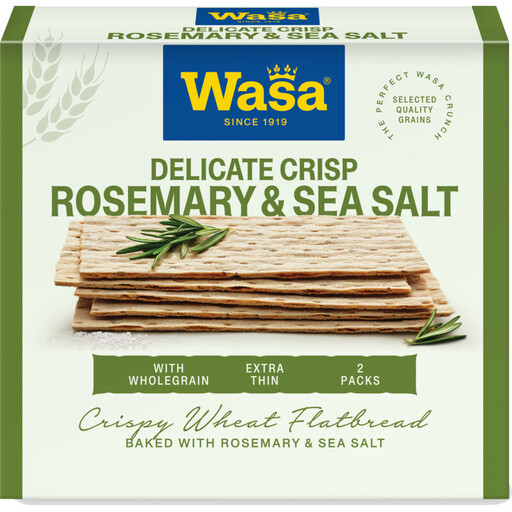 Image unavailable
A thin cracker with rosemary and salt to consider for lunch. Before planning portions, check the net weight, nutritional information and allergens on the current packaging.
No, a gluten-free option isn’t needed for every lunchbox. If gluten needs to be avoided, check for a clear gluten-free label and prevent contact with crumbs containing gluten. If your child has a wheat allergy, check for wheat separately too.
Read the ingredients and allergen information on the current packaging. The Netherlands Food and Consumer Product Safety Authority explains that allergens in prepacked foods must be clearly identifiable in the ingredients list. For grains containing gluten, check which type of grain is listed too.
No, don’t assume it does. According to the Netherlands Nutrition Centre, using baker’s salt isn’t compulsory. Check the ingredients for your chosen option if this is important to the make-up of the lunchbox.