
Families with fussy eaters
If not everyone is keen on the distinctive taste of rye, crispbread made with both wheat and rye is worth comparing. Check for seeds and sesame too, as these can affect whether a pack suits everyone’s preferences.


Choose wholegrain rye if your group enjoys its flavour and fibre is a priority. A blend of wholegrain wheat and rye could be a good middle ground for people with different preferences, while light wheat crispbread is another option if texture matters more. Before you set off, compare the fibre per 100 g, allergens and packaging, and protect the slices from breaking.
If not everyone is keen on the distinctive taste of rye, crispbread made with both wheat and rye is worth comparing. Check for seeds and sesame too, as these can affect whether a pack suits everyone’s preferences.
Nutritional values vary by product. Albert Heijn lists 20 g of fibre per 100 g for Wasa Volkoren and 12 g per 100 g for AH Knäckebröd volkoren. Compare like for like rather than judging by the colour of the slices.
Gluten is relevant when choosing wheat or rye crispbread, and some varieties also contain sesame. Before you set off, check the ingredients and allergen information on the actual pack you’re taking with you.
First, decide which type of grain your group wants to eat. Then compare the nutritional information and check that you can take the slices with you whole and dry.
A good fit if: you enjoy the taste of rye and mainly want to compare fibre content.
Consider: rye contains gluten, and its distinctive flavour may not suit everyone.
A good fit if: you’re looking for a grain blend for a group rather than rye alone.
Consider: as well as wheat and rye, check for other ingredients such as sesame. A blend isn’t automatically suitable for people with allergies.
A good fit if: you prefer a lighter wheat base.
Consider: compare the fibre per 100 g separately; a light texture tells you nothing about it.
| What to consider | What to check when buying | Who is this most important for? |
|---|---|---|
| Flavour for the group | Compare the grain ingredients and check whether the product contains seeds or sesame. | If several people will be eating from the same pack, I wouldn’t choose a strongly flavoured rye without knowing their preferences. Around 29% of consumers prioritise this kind of compromise on flavour. |
| Fibre and wholegrain content | Read the grain ingredients and compare the fibre per 100 g in the nutritional information. | I want to be able to make an informed choice on the go based on the stated fibre content, not the dark colour. Around 36% of consumers prioritise this need. |
| Taking it with you whole and dry | Choose an undamaged pack and check the storage instructions; use a sturdy container if needed. | If I’m packing a crispbread pack with my luggage, I want the slices to stay whole so I can add toppings. This is the main consideration for around 21% of consumers. |
| Allergens and iodine information | Check for gluten, sesame and any ‘may contain’ warnings. If you need iodine information, look for a mention of baker’s salt. | If I need to avoid an ingredient or iodine information affects my choice, I read the label before buying. This is a priority for around 14% of consumers. |
A dark colour doesn’t tell you which grains have been used or how much fibre the product contains. Albert Heijn lists 20 g of fibre per 100 g for Wasa Volkoren and 12 g per 100 g for AH Knäckebröd volkoren.
Read the ingredients list and compare the fibre per 100 g before choosing a pack for the whole journey.
Rye contains gluten. Wasa Volkoren lists rye and cereals containing gluten, so the type of grain alone doesn’t make crispbread suitable for anyone who needs to avoid gluten.
If needed, choose only a product explicitly labelled gluten-free and check the rest of the allergen information on the current packaging too.
According to the Voedingscentrum, Dutch bakers aren’t required to use baker’s salt. You can’t tell from the crispbread category alone whether it has been used in a particular pack.
If this information matters when you’re buying, check the label or ask the manufacturer.
Crispbread can break during transport and handling. Moisture can also make it less crisp.
Take an undamaged pack, don’t put it under heavy items, and seal any opened slices properly.
Broken slices are less handy as a base for toppings and leave crumbs in the car.
The range includes wholegrain rye and other crispbread varieties to compare. Check the exact variety: the information for Wasa Volkoren doesn’t automatically apply to other Wasa crispbread.
AH Knäckebröd volkoren is an example of a variety made with wholegrain wheat and rye flour, for anyone looking to compare both types of grain.
This ALDI brand offers different styles to compare, including light wheat crispbread with sesame and a seeded wholegrain variety.
The Original, Multigrain and Dark Rye varieties show the different ingredients that can be used in crispbread.
These Joybuy products give you a starting point for comparing a mixed grain base, rye varieties and a lighter style for a road trip. Before choosing, check the ingredients, nutritional information and allergens for the specific pack.
 Image unavailable
Worth considering if you’re looking for a wholegrain base that could appeal to different people. Check which grains and allergens are listed on this pack, and compare the fibre per 100 g.
 Image unavailable
For anyone who mainly wants to compare fibre content when choosing. Check the value per 100 g and the grain and allergen information on the pack; the variety name doesn’t tell you whether everyone in the group will enjoy the flavour.
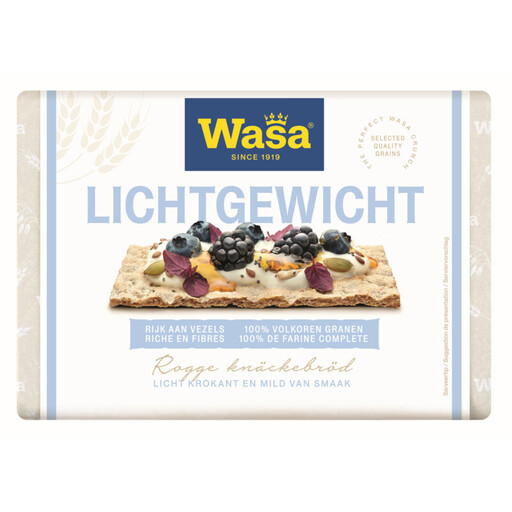 Image unavailable
A variety to compare if a lighter texture matters to you. Check the fibre content and allergens on the label, and protect the slices from pressure while you’re travelling.
 Image unavailable
Worth considering if your group enjoys rye. Bear in mind that its flavour may be stronger than some people prefer, check the allergens, and don’t put the pack under heavy luggage.
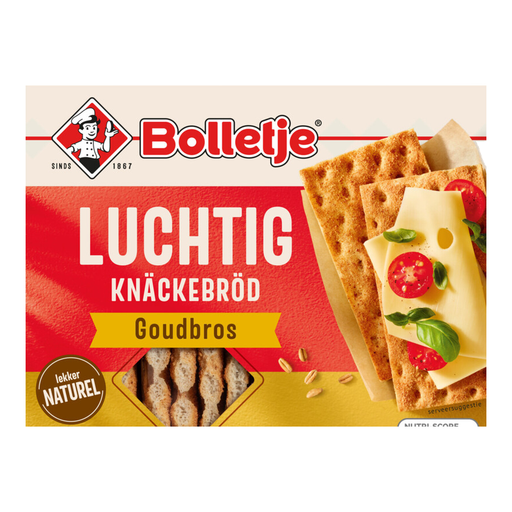 Image unavailable
An option for anyone wanting to compare a lighter style with rye crispbread. Before buying, check the grain ingredients, fibre per 100 g and allergens; a light texture says nothing about nutritional value.
No. Crispbread made with rye isn’t automatically gluten-free: rye contains gluten. Wasa Volkoren lists rye and cereals containing gluten. If you need to avoid gluten, choose a product explicitly labelled gluten-free and check the current packaging.
Protect it from pressure and keep it dry. Don’t put the pack under heavy luggage, use a sturdy container if needed, and seal any opened slices properly according to the storage instructions.
No, you can’t assume this for a particular product. According to the Voedingscentrum, Dutch bakers aren’t required to use baker’s salt. Check the label or ask the manufacturer if this information matters when you’re buying.