
Small households
If you’re buying crispbread for one picnic or a few meals, the pack weight and what you plan to do with the rest matter more than a name such as ‘half loaf’.


For a small picnic, choose crispbread based on the pack weight and how much you’ll actually use, rather than the ‘half loaf’ label. A smaller pack or crispbread that can be broken into portions may be practical if you don’t eat it often. Also check the wholegrain information, ingredients and allergens for the variety you choose. Whether you have any left after the picnic also depends on how often you eat crispbread at home.
If you’re buying crispbread for one picnic or a few meals, the pack weight and what you plan to do with the rest matter more than a name such as ‘half loaf’.
If you want to choose crispbread as a wholegrain product, check the description and ingredients for the specific variety rather than relying on its colour or seeds.
If you need to avoid certain grains or other allergens, check the current ingredients list and any ‘may contain’ information. A gluten-free label won’t answer every question about allergens.
First decide how much crispbread you want for the picnic and the days afterwards. Then compare the ingredients and the shape of the slices with what matters to you.
| What to consider | What should you check? | Who is this important for? |
|---|---|---|
| Quantity | Compare the net weight, the number of slices if stated, and the best-before date. | I only eat crispbread occasionally and don’t want to be left with a pack after the picnic that I’m unlikely to finish. For around 40% of shoppers, choosing the right quantity matters most. |
| Wholegrain and fibre | Check the wholegrain description and compare the nutritional information per 100 g for the varieties you’re considering. | If I want to take a wholegrain product with me, I won’t choose based on a dark colour alone. Wholegrains or fibre are the first consideration for around 30% of shoppers. |
| Ingredients and allergens | Read the ingredients, declared allergens and any ‘may contain’ information on the current packaging. | I need to know whether the variety I’ve chosen contains ingredients I avoid; a claim about one particular feature isn’t enough. This check comes first for around 20% of shoppers. |
| Texture and toppings | Check whether the variety you’ve chosen is thin or firm, and whether the slices can be broken into portions if you want smaller servings. | I want to choose slices that go well with the toppings I’m taking and have a texture I enjoy. This is the most important preference for around 10% of shoppers. |
The term doesn’t tell you how many grams or slices you’re buying. For example, Albert Heijn lists crispbread packs in a range of weights.
Compare the net weight with how much you expect to use during and after the picnic; also check whether the slices can be broken into portions.
The name crispbread doesn’t tell you whether it contains baker’s salt. The Netherlands Nutrition Centre says that using baker’s salt isn’t even compulsory for bread.
If the presence of baker’s salt matters to your choice, check the ingredients list on the specific pack.
The Wasa Sesame & Sea Salt variety described by Jumbo is labelled gluten- and lactose-free, but contains sesame and may contain milk, mustard and soya.
Check the other allergens and any ‘may contain’ information for the variety you’re buying, too.
A dark appearance or visible seeds don’t tell you which flour has been used. The Netherlands Nutrition Centre recommends checking the product description and composition when choosing a wholegrain product.
Check the wholegrain description and ingredients list, and assess salt and allergens separately.
Wasa offers a range of crispbread varieties, including rye, wheat and sesame products.
Albert Heijn lists several Leksands varieties in 200 g packs.
Albert Heijn’s own brand includes crispbread varieties in 265 g and 375 g packs.
These Joybuy products include smaller packs for an occasional picnic and larger ones for anyone who wants to eat crispbread afterwards, too. Within those pack sizes, choose according to your preference for wholegrains or texture, and check the current packaging if you have allergies.
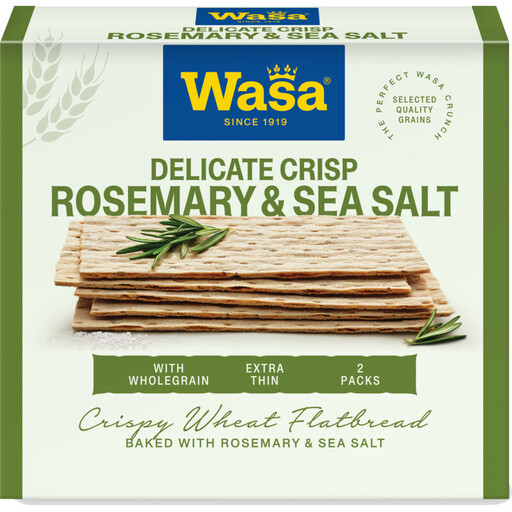 No image available
The 190 g pack is a good option if you don’t want to open a large pack for a small picnic. Compare the ingredients in this variety with your preferences, and check the allergens on the label.
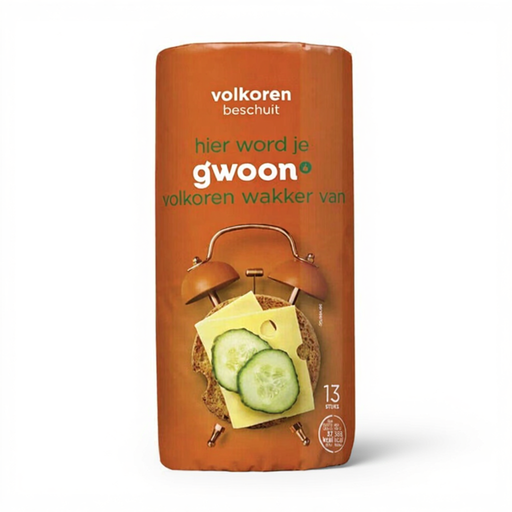 No image available
At 125 g, this is a smaller pack for anyone who only eats crispbread occasionally and is looking for a wholegrain variety. Check the number of slices and the current ingredients if you need a precise portion or a variety without certain allergens.
 No image available
The 215 g pack is worth considering if you also want to eat crispbread at home after the picnic. It’s larger than the 190 g packs in this selection, so choose a quantity that suits how much you expect to use.
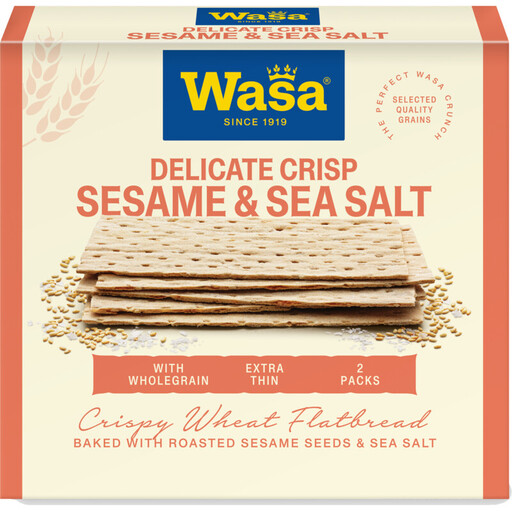 No image available
This 190 g sesame variety suits anyone looking for a smaller pack and a thin slice. Check the current allergen information before buying, especially if sesame or grains are a concern for you.
 No image available
This 265 g wholegrain variety is better suited to a picnic where you also plan to use the pack afterwards than to anyone who only wants to open a small pack. Check the label on your chosen pack if nutritional information or allergens will affect your choice.
Don’t use ‘half loaf’ as a measure of how much you’re buying. Compare the net weight, the number of slices if stated, and how much you expect to eat after the picnic.
Don’t assume it does based on the product category. The Netherlands Nutrition Centre says that using baker’s salt in bread isn’t compulsory; check the specific ingredients list for the crispbread you choose.
Check whether ‘wholegrain’ appears on the pack and read which grains are listed in the ingredients. Don’t base your choice solely on a dark colour or visible seeds.
Follow the storage advice on the packaging and seal the pack well after use. Check the best-before date, too, when planning when to eat the rest.
No, a gluten-free label doesn’t tell you anything about all the other allergens. For example, the Wasa Sesame & Sea Salt described by Jumbo contains sesame and lists possible traces of milk, mustard and soya. Always read the label for the variety you choose.