What should you look for?
Start with the child’s needs and the nursery’s requirements. Then compare wholegrain labelling, portioning and pack size to find an option that suits how you plan to use it.
| What to consider |
What to check |
Who is this most important for? |
| Allergens and nursery requirements |
Read the current ingredients and allergen information. If you need to choose a gluten-free product, check for other allergens too and follow the nursery’s requirements. |
If a child needs to avoid an allergen, I want to know whether this particular product can be brought in under the nursery’s requirements. Around 36% of consumers put this check first. |
| Wholegrain lunch base |
Check the wholegrain labelling and ingredients. Only compare nutritional information, such as fibre per 100 g, for the exact product variant. |
When crispbread is the basis of lunch, I look for a wholegrain option that I can serve with suitable toppings and other parts of the meal. This is the top priority for around 29% of consumers. |
| Pack size and food waste |
Compare the number of pieces, net weight and storage instructions with the number of lunches planned. |
If we only have crispbread occasionally, I don’t want to open a pack and leave lots of pieces unused. A suitable pack size is the main concern for around 21% of consumers. |
| Practical availability |
Check whether a suitable option is available where you do your lunch shopping and whether the pack suits how you plan to use it. |
When I’m shopping for the nursery, I want to be able to pick up a suitable option without skipping the necessary allergen checks. Around 14% of consumers prioritise this convenience. |
Crispbread on Joybuy
These products range from 125 g to 375 g, so you can compare their pack weights with your lunch plans. For each product, first check that the current ingredients and allergen information are suitable for the child and the nursery. The product name and pack weight alone can’t tell you that.
 Image unavailable
Bolletje Whole Grain Crispbread, 265 g
Consider this pack if wholegrain crispbread fits your lunch plans. For the child in question, check the current label for the stated gluten and sesame content and possible presence of lupin. Also check how many pieces you can use for the planned lunches.
View on Joybuy
 Image unavailable
Wasa Rustic Crispbread, 215 g
This pack may suit the number of lunches you have planned. Check the current packaging for the stated rye gluten content and possible traces of milk and sesame. If you need to divide portions in advance, check the number of pieces.
View on Joybuy
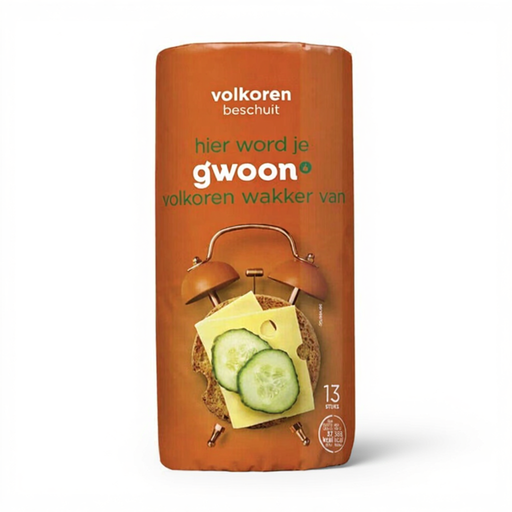 Image unavailable
g'woon Wholegrain Crispbreads, 125 g
The 125 g pack is worth comparing if you only need crispbread for a few lunches. Check the current label for gluten, wheat, barley and egg. Also look at the ingredients if the exact wholegrain composition matters to your choice.
View on Joybuy
 Image unavailable
g'woon Wholemeal Crispbread, 375 g
A 375 g pack is most suitable if you plan to use it over the lunches you have in mind. Check the full allergen information for the child in question, and look at the ingredients if the flour composition is important to your wholegrain choice.
View on Joybuy
Frequently asked questions
Can I send rye or wheat crispbread to the nursery?
Only if it’s suitable for the child in question and meets the nursery’s requirements. Rye and wheat contain gluten; the Netherlands Food and Consumer Product Safety Authority explains how allergens must be listed on the labels of prepacked foods. Also check the nursery’s rules on sharing food and preventing contact between products.
Is gluten-free crispbread suitable for every allergy?
No. Gluten-free doesn’t tell you anything about other allergens. For example, Jumbo states that Wasa Gluten- & Lactosevrij Knäckebröd Sesame & Sea Salt contains sesame and may contain milk, soya and mustard. Always read the current label for the child you’re packing lunch for.
Does crispbread automatically provide iodine from baker’s salt?
No, you can’t assume that this applies to all crispbread. According to the Netherlands Nutrition Centre, baker’s salt is iodised, but using it when baking bread is not compulsory. Check product-specific information if baker’s salt matters to your choice.
How do I choose a pack that won’t be left open for too long?
Compare the number of pieces and pack weight with the lunches you plan to use the crispbread for. Follow the storage instructions on the pack and check whether you can reseal it properly once opened. A smaller pack or one divided into portions may be more practical if you only use a few pieces at a time.
Is crispbread on its own a complete nursery lunch?
No, think of it as a possible base for lunch. The Netherlands Nutrition Centre recommends offering a varied selection at lunchtime. Choose toppings and other parts of the meal according to the nursery’s requirements and the child’s needs.


