
Students who prioritise fibre
You’re looking for a wholegrain lunch base with a fibre content you can compare per 100 g. Bear in mind that wholegrain rye may have a different flavour and texture from a lighter option.


For a university lunch, wholegrain crispbread is a good choice if fibre is your priority. If you prefer a thinner or airier bite, compare those options too by checking their nutritional information. A mix of grains or wheat flour alone doesn’t tell you how much fibre a product contains or whether fussy eaters will enjoy it. If you’re sharing lunch, also check the ingredients and allergens on the exact pack.
You’re looking for a wholegrain lunch base with a fibre content you can compare per 100 g. Bear in mind that wholegrain rye may have a different flavour and texture from a lighter option.
You want crispbread you’ll enjoy with a range of toppings. A thin or airy option may be worth comparing, but the product name won’t predict what you’ll like. Check the fibre, salt and ingredients too.
You need to consider the people you’re buying for. Check the allergen information on each pack, including details about cereals containing gluten and sesame, before putting together a lunch supply.
First decide whether fibre content, the texture you want or the ingredients matter most for your lunch. Then compare the exact products on the same basis: nutritional information per 100 g tells you something different from the amount you eat at lunch.
| What to consider | What should you check? | Who does this matter to? |
|---|---|---|
| Fibre and wholegrain base | Compare fibre per 100 g and check which wholegrains are listed in the ingredients. Albert Heijn lists 20 g of fibre per 100 g for Wasa Volkoren and 12 g per 100 g for AH Knäckebröd volkoren. | If crispbread is going to be the basis of my lunch, I want to compare fibre content without relying only on the word ‘wholegrain’. Around 50% of consumers prioritise checking fibre and wholegrains. |
| Texture and toppings | Check whether the option is thin or airy, and look out for ingredients such as seeds. If you’re unsure, try it with your usual toppings first. | I want a crunchy base that I’ll enjoy with my usual toppings, even if other people at the table prefer something different. For around 33% of consumers, food preferences matter most. |
| Ingredients and allergens | Check the allergen information on the exact pack for cereals containing gluten and sesame. Compare salt on the same basis, such as per 100 g. | If I’m buying for several people, I want to know which ingredients matter to them before serving lunch. Around 17% of consumers prioritise this check. |
The actual fibre content varies by product. According to product information from Albert Heijn and Jumbo, the AH and Wasa options compared here contain between 12 and 21 g of fibre per 100 g. That’s not the same as the amount in one lunch.
Compare the nutritional information for the exact products per 100 g, then consider the portion you’ll actually eat.
The Wasa and AH wholegrain options in the product information from Albert Heijn and Jumbo contain cereals with gluten; sesame is also listed for some options. So a wholegrain label doesn’t replace an allergen check.
If you’re sharing lunch, read the ingredients and allergen information on each exact pack, even when you’re buying a familiar brand.
Product information from Albert Heijn and Jumbo lists Wasa wholegrain rye crispbread, as well as a thin wholegrain rye option with sesame.
According to Albert Heijn’s product information, AH Knäckebröd volkoren combines wholegrain wheat and wholegrain rye.
ALDI Nederland describes Goud Gebakken Robuust crispbread as a wholegrain option with seeds.
These products offer a range of crispbreads to consider as a lunch base, including wholegrain options and a lighter alternative. If you’re sharing lunch, compare the packaging and nutritional information for the product you choose.
 No image available
A wholegrain option for a lunch with toppings. Compare the nutritional information per 100 g and check the ingredients on the pack if you’re buying for several people.
 No image available
A wholegrain lunch base in a 265 g pack. Read the nutritional information and allergen details for this option before comparing it with other products.
 No image available
For anyone looking for a wholegrain base for lunch toppings. Use the nutritional information on this pack to compare fibre; don’t assume it’s the same as for another Wasa option.
 No image available
An option to consider as a base for lunch toppings. Check the fibre content and allergens for Wasa Rustic itself, rather than relying on information for another Wasa option.
 No image available
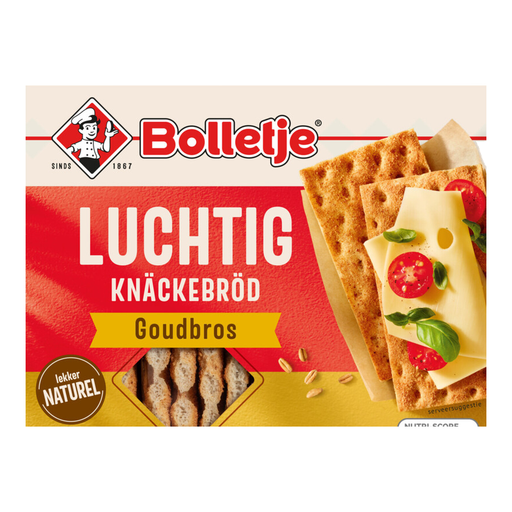
Another option to consider if you’re weighing up texture against ingredients and nutritional value. ‘Light’ in the product name doesn’t tell you whether this crispbread meets your wholegrain preference, so check the label.
No, it depends on what matters to the people eating it. As well as wholegrain ingredients, consider fibre content, the flavour and texture you want, toppings and any allergens. A shared lunch doesn’t automatically mean everyone needs the same option.
No, you can’t work out the fibre content of crispbread from that description alone. Compare the ingredients and fibre per 100 g on the exact packs. A mixed recipe doesn’t prove that fussy eaters will prefer the flavour either.
Only choose a product after checking the allergen information on the exact pack. The wholegrain rye and wheat options described aren’t automatically suitable for someone who needs to avoid gluten, and some also list sesame. Don’t rely on the brand or the word ‘wholegrain’ alone.
Follow the storage instructions on the pack you choose and seal it well after opening. Albert Heijn and Jumbo recommend storing the options described in a dry, cool and/or dark place.