What should you look for when choosing?
Start by deciding how much crispbread you want to open at once. Then compare the nutritional information per 100 g and per portion, and read the ingredients for the variety you’re considering.
| What to consider |
What to check when buying |
Who is it important to? |
| Pack and portions |
Compare the pack weight, number of portions and storage advice after opening. |
If I only eat crispbread late at night occasionally, I don’t want to open more than I’d normally use at once. Around 29% of consumers prioritise a manageable amount in stock. |
| Wholegrains and fibre |
Check which grains are used and compare the fibre per 100 g; also consider the pack size. |
For my snack, I mainly want to be able to choose a wholegrain base or a particular amount of fibre. This is the top priority for around 29% of consumers. |
| Ingredients and allergens |
Check the current ingredients list and allergen information, including any statements about possible traces. |
If I need to avoid an ingredient, the variety I choose must meet my requirements. Around 21% of consumers prioritise this check. |
| Protein and snack portion |
Compare the protein and energy per stated portion, and take any toppings into account. |
If I’m choosing based on protein or the make-up of my late-night snack, I look at what I actually eat, not just the figures per 100 g. This matters most to around 21% of consumers. |
Crispbread for different snacking preferences
These Joybuy products include both standard packs of crispbread and a pack of smaller, individually wrapped snacks. Compare the stated pack size first, then choose the ingredients and portion that suit your preferences.
 Image unavailable
Wasa wholegrain crispbread 260 g
A pack to consider if you’re looking for a wholegrain rye base and don’t need individually wrapped snacks.
Joybuy lists wholegrain rye flour, yeast and salt for this variety; the product contains gluten.
View on Joybuy
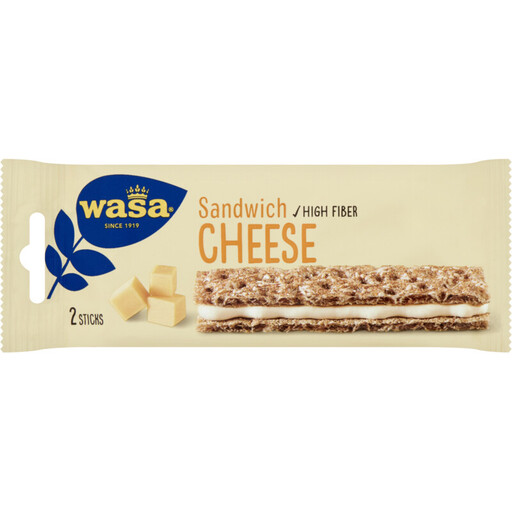 Image unavailable
Wasa Cheese Sandwich 3 × 31 g
An individually portioned option if you’d rather open one snack than a whole pack of crispbread.
The product name states that there are three snacks, each weighing 31 g. Check the ingredients and allergens for this filled variety.
View on Joybuy
 Image unavailable
Bolletje wholegrain crispbread 265 g
A 265 g pack to compare with other medium-sized packs if you have a late-night snack occasionally.
Check the pack to see how many pieces you want to use at a time and which grains it contains.
View on Joybuy
 Image unavailable
Wasa High-Fibre Crackers 300 g
A variety to consider if you want to take fibre into account when choosing your snack.
The pack weighs 300 g. Compare the fibre per 100 g and read the ingredients list if the grains used are an important part of your choice.
View on Joybuy
 Image unavailable
Wasa Rustic Crispbread 215 g
A more compact pack to compare if you don’t eat crispbread often.
The pack weighs 215 g. Check the label for the number of pieces, ingredients and storage advice after opening.
View on Joybuy
Frequently asked questions
Does a smaller pack of crispbread prevent waste?
Not automatically: a smaller pack means you open less at once, but how much you have left also depends on how you use it and how you store it. So compare the pack weight, portions and storage advice.
What does ‘wholegrain’ on a pack of crispbread mean?
According to the Netherlands Nutrition Centre, the term ‘wholegrain’ can only be used for crackers if the product is made from 100% wholemeal flour. Also read the ingredients list to see which grains are in the variety you choose; the claim doesn’t tell you how much fibre it contains per 100 g.
How do I compare a portion of crispbread for a late-night snack?
Use the portion size for the product you want to buy, and include any toppings in your comparison. The Netherlands Nutrition Centre gives 36 kcal for one 10 g piece of wholegrain crispbread as a general reference—not as a figure for every variety or for a snack with toppings.
Which allergens should I check in crispbread?
Check the allergen information for the specific variety if you need to avoid an ingredient. The products mentioned may contain rye, wheat or other gluten-containing grains; for some varieties, sesame or warnings about possible traces of other allergens may also be relevant.
Does all crispbread contain iodised baker’s salt?
You can’t tell from the product category alone. Check the ingredients on the pack you choose or ask the manufacturer which salt has been used in that variety.


