If you’re looking for a crunchy base for toppings, wholegrain rye crispbread is one option to compare for fibre. For a more distinctive flavour, try sourdough or sesame varieties. A cracker marketed with a focus on carbohydrates is a different kind of product, and not automatically a better choice: compare the nutritional information per 100 g and per serving, and include any toppings. If you need a gluten-free option, check that the current packaging explicitly labels the product as gluten-free.
Which crispbread is right for you?
If you’re keeping an eye on fibre
You’re looking for a crunchy base for toppings and want to compare fibre content. The Netherlands Nutrition Centre lists 1.4 g of fibre per 10 g piece of wholegrain crispbread; check the nutritional information on the packaging to compare your options.
If flavour and texture come first
For a late-night snack, you might choose a rye variety with sourdough or a thin sesame cracker. Compare the specific varieties for salt, allergens and the amount you eat, too.
If you check ingredients or nutritional values carefully
You want to compare carbohydrates or protein, or need to take gluten or other allergens into account. For carbohydrate and protein claims, check the specific variety. If you need a gluten-free option, look for the label and allergen information on the current packaging.
What should you look for when choosing?
Decide what matters most for your late-night snack, then compare the nutritional information, ingredients and serving size of the options that fit. A thin sesame cracker, rye crispbread and a cracker marketed as a lower-carbohydrate alternative aren’t necessarily interchangeable.
| What to consider |
What to check |
Who is this most important to? |
| Fibre and grain base |
Compare fibre per 100 g and per serving, and check which grains are used. |
When I eat crispbread with toppings, I want to know how much fibre my chosen serving contains. For around 45% of consumers, fibre is the top priority. |
| Flavour and texture |
Consider whether you want rye, sourdough or a thin cracker with seeds; check the salt and allergens, too. |
For a small late-night snack, I care more about a distinctive flavour or a different crunch than a neutral base. Flavour and texture matter most to around 27% of consumers. |
| Carbohydrates and protein |
Compare carbohydrates and protein per 100 g and per serving of the specific cracker you eat. |
I want to choose a cracker that fits the nutritional values I’m keeping an eye on, rather than relying only on a claim on the front of the pack. Around 18% of consumers prioritise carbohydrates or protein. |
| Gluten and allergens |
Read the current allergen information; if you need a gluten-free option, look for an explicit gluten-free label. |
If I need to avoid gluten or another allergen, the label determines which variety I can consider. This is the top priority for around 10% of consumers. |
Common mistakes
-
Assuming ‘premium’ means more nutritious
Sourdough, seeds and a thin texture don’t tell you how much fibre or salt a variety contains.
First decide what matters to you, then compare the nutritional information and ingredients on the packaging of the specific product.
-
Looking at the crispbread alone
The amount of crispbread and the toppings together determine what you end up eating. For example, the Netherlands Nutrition Centre lists 35 kcal for one 10 g piece of high-fibre crispbread, without toppings.
Compare the nutritional information with the amount you actually eat, and include any toppings.
-
Assuming a wheat-free ingredient list means ‘gluten-free’
The absence of an obvious wheat or rye ingredient doesn’t, by itself, mean a product is labelled gluten-free. For processed grains, the Netherlands Nutrition Centre advises looking for the words ‘gluten-free’ or the Crossed Grain symbol.
If you need a gluten-free option, check the current packaging, including the label and allergen information.
-
Assuming a range is always in stock
Availability may vary by shop and over time; ALDI notes that its crispbread products may sell out.
Check what’s currently available and read the packaging when you buy, especially if ingredients or allergens are important to your choice.
Brands to compare
Wasa
Offers a range of crispbread and crackers, from wholegrain rye to sourdough and thin sesame crackers.
- Jumbo’s range includes Wholegrain, Sourdough Rye and a variety labelled gluten- and lactose-free.
- Grains, salt and allergens vary by variety, so check the packaging of the product you choose.
Leksands
A brand worth considering if you want to compare different flavours and levels of crunch.
- Albert Heijn lists products including Luchtige Knäcke Original and Knäcke extra krokant gebakken.
- Don’t choose based on the variety name alone: check the nutritional information for fibre, salt and serving size.
TastyBasics
Offers seed crackers for anyone who wants to compare their carbohydrate and protein content with other snack options.
- Product descriptions include varieties with poppy seeds and sunflower seeds.
- Claims about lower carbohydrate content apply to specific products, according to TastyBasics; they don’t apply to all crackers or crispbread.
Albert Heijn
Offers its own crispbread varieties alongside products from other brands.
- The range includes wholegrain, sesame and pumpkin seed crispbread, as well as varieties labelled gluten-free.
- Albert Heijn recommends reading the packaging before use; check it for the latest product information.
Goud Gebakken
An ALDI own-brand offering wholegrain crispbread and varieties with seeds.
- ALDI lists Goud Gebakken Volkoren and Robuust crispbread.
- Check availability at your local shop and compare the nutritional information for the variety you choose.
Crispbread and crackers for a late-night snack on Joybuy
These products offer different options for a late-night snack: rye crispbread as a base for toppings, a thin sesame cracker and a tomato and oregano cracker alternative. Compare the specific variety and the amount you eat before choosing.
 Image unavailable
Wasa Sourdough Rye Crackers 235 g
A rye option to consider if you’d also like a sourdough flavour with your late-night snack.
- The Joybuy product description lists wholegrain rye and sourdough.
- Rye contains gluten; check the current packaging if allergens matter to your choice.
View on Joybuy
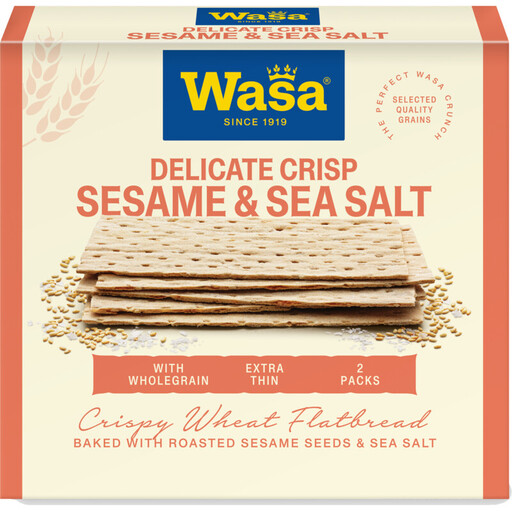 Image unavailable
Wasa Thin Crisp Sesame 190 g
A thin sesame cracker for anyone who puts flavour and texture first in a small snack.
- The product description lists wholemeal wheat flour, sesame seeds and sea salt.
- Check the current allergen information if wheat or sesame is relevant to you.
View on Joybuy
 Image unavailable
Wasa Wholegrain Crispbread 260 g
A wholegrain rye base to compare if you want to eat crispbread with toppings.
- According to the Joybuy product description, it’s made from wholegrain rye and contains three ingredients.
- Rye contains gluten; if you have an allergy, check the current packaging.
View on Joybuy
 Image unavailable
Wasa High-Fiber Crackers 300 g
A cracker to compare with other grain-based options if fibre content is your main concern.
- The Joybuy product description lists wholegrain rye and wheat flour, and oat flakes.
- Compare the nutritional information with the amount you eat, and check the packaging if you have an allergy.
View on Joybuy
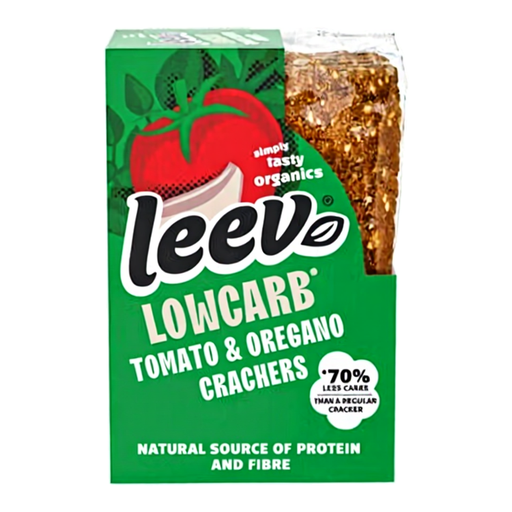 Image unavailable
Leev Organic Low-Carb Tomato Oregano Crackers 80 g
A tomato and oregano cracker alternative for a savoury snack, if you’d like to compare carbohydrate content.
- This product is sold as a cracker, not explicitly as crispbread.
- Check the nutritional information per 100 g and per serving; if you have an allergy, check the current packaging.
View on Joybuy
Frequently asked questions
How do I compare the fibre in crispbread for a late-night snack?
Compare the fibre content on the packaging for the serving you plan to eat. The Netherlands Nutrition Centre lists 1.4 g of fibre for one 10 g piece of wholegrain crispbread; the amount may differ for another variety or serving size.
Should I also check the salt if I eat crispbread with toppings?
Yes. Compare the salt in the crispbread per 100 g and for the amount you eat, and include any toppings. This helps you assess the snack as a whole, rather than just the cracker.
Is regular rye crispbread suitable if I need to eat gluten-free?
No. Regular rye crispbread isn’t gluten-free, as rye contains gluten. For processed grains, the Netherlands Nutrition Centre advises looking for an explicit ‘gluten-free’ label or the Crossed Grain symbol. Check the current allergen information on the packaging, too.


