
Small household, occasional use
You’re looking for a modest amount for a small King’s Day gathering. So start by comparing pack weights and consider whether you’ll use the rest of an opened pack later.


For a small King’s Day gathering, a 150–200 g pack is a sensible starting point if you only eat crispbread occasionally; compare the pack size with how much you expect to eat. If you’ll use it after the drinks and nibbles, a larger wholegrain option may suit you. Before choosing, check the product type, ingredients and allergens: delicate crackers, wholegrain crispbread and a gluten-free option are not interchangeable.
You’re looking for a modest amount for a small King’s Day gathering. So start by comparing pack weights and consider whether you’ll use the rest of an opened pack later.
You also eat crispbread for breakfast or lunch and want to compare a clearly labelled wholegrain product. In that case, the smallest pack needn’t be the deciding factor.
You may need to consider ingredients such as gluten or sesame, or the type of salt used. The product name alone won’t tell you everything you need to know.
First, decide how much you expect to use for the gathering and over the following days. Then consider which type will go best with your toppings, and finally check any ingredients that matter to you.
| What to consider | What to check when buying | Who it’s for |
|---|---|---|
| Pack size | Compare the net weight with how much you expect to use, and check the storage instructions. | For one gathering, I don’t want to open a large pack that I’ll barely use afterwards. Around 31% of consumers put choosing a suitable pack size first. |
| Base for toppings | Check whether you’re choosing traditional crispbread or a delicate cracker, and whether the product has a strong flavour of its own. | With a variety of toppings, I want to choose the flavour combinations myself. For around 31% of consumers, versatility for a gathering is the main consideration. |
| Wholegrain | Look for an explicit wholegrain label and check which grain is listed in the ingredients. | If I’ll also eat crispbread after King’s Day, the type of grain matters more to me than getting the smallest pack. Around 23% of consumers therefore make wholegrain their top priority. |
| Ingredients and allergens | Read the current label for gluten-containing grains, other allergens and the type of salt used, if that matters to your choice. | I need to know first whether the ingredients fit my dietary requirements; pack size comes afterwards. For around 15% of consumers, checking the label is the main consideration. |
That description doesn’t tell you how much crispbread you’ll get. Dutch shop listings show weights such as 150 g and 200 g, as well as the number of pieces.
Compare the net weight on the pack and choose based on how much you expect to use.
Wholegrain describes how the grain is processed, not whether gluten is absent. Ryvita states that its products contain gluten.
If you need a gluten-free product, look for an explicit gluten-free label and check the current packaging.
According to the Netherlands Nutrition Centre, bakers aren’t required to use baker’s salt. So you can’t tell which type of salt a particular product contains just from the crispbread category.
Check the ingredients or ask the manufacturer which type of salt is used if it matters to your dietary choices.
Albert Heijn warns that ingredients, nutritional values and allergen information can change. This is especially important if you need to avoid certain ingredients.
Before eating it, read the label on the pack you actually bought.
These brands offer a range of pack sizes and product types; always check the details for the specific variant.
Jumbo’s range includes 150 g delicate crackers, 200 g crispbread and 260 g Wasa Wholegrain.
The supermarket’s own brand gives you an alternative to compare with branded products; Albert Heijn lists, among other options, 200 g sesame crispbread.
ALDI lists wholegrain crispbread in a pack of 25 pieces, as well as a robust wholegrain variety with seeds.
Ryvita describes its Original Crispbread as a product made with wholegrain rye, rye and salt. This UK product information doesn’t confirm which variant you can buy in the Netherlands.
These products come in a range of pack sizes for a small gathering or for eating over several days. Wasa Thin Crisp varieties are crackers, so don’t compare them with traditional crispbread on weight alone.
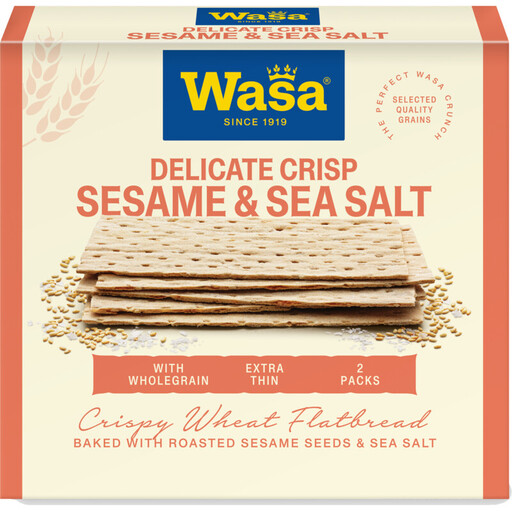 Image unavailable
A 190 g pack to consider for a small gathering. These are sesame crackers, so check the current label if ingredients or allergens matter to you.
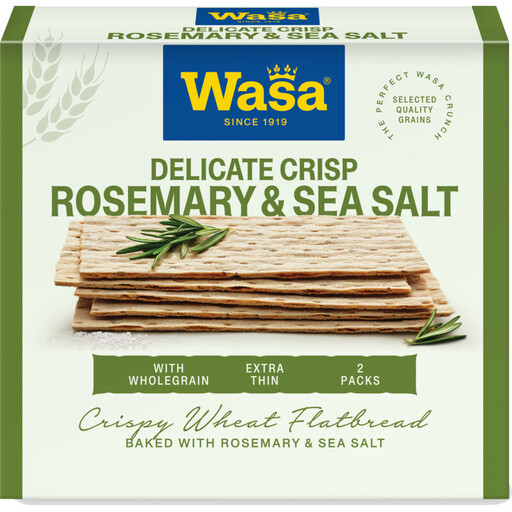 Image unavailable
A 190 g pack to consider if you’re looking for a rosemary and salt cracker to serve with drinks and nibbles. Bear the flavour in mind when choosing toppings, and read the current label for allergen information.
 Image unavailable
Wholegrain crispbread to consider if you’d like to use the same pack after your gathering. At 375 g, it’s a larger pack, so think realistically about how much you’ll use.
 Image unavailable
A 215 g crispbread to compare if you’re looking for a pack you might also use after King’s Day. Check the label before drawing conclusions about the type of grain or allergens.
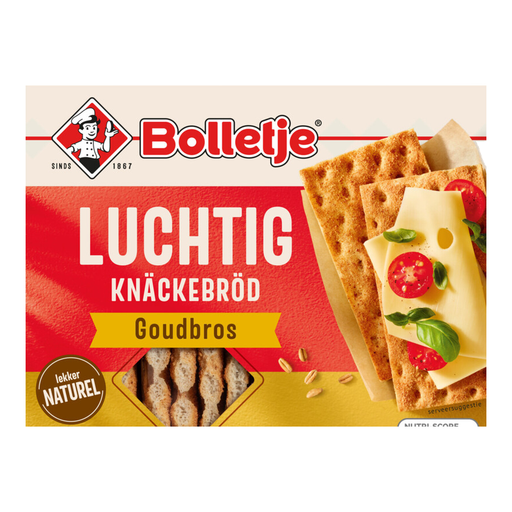 Image unavailable
A 240 g pack to include in your comparison if you want to use the product on more than one occasion. Read the nutritional information and ingredients on the pack you choose; the word ‘Light’ alone doesn’t tell you which nutritional values matter to you.
No. Don’t use that term as a measure of pack size. Dutch shop listings give weights or the number of pieces; for a small King’s Day gathering, check the net weight of the variant you want to buy.
You can’t tell from the product category. The Netherlands Nutrition Centre says bakers aren’t required to use baker’s salt. If the type of salt matters to your dietary choices, check the ingredients or ask the manufacturer.
Read the ingredients list and allergen information on the current packaging for the specific variant. A wholegrain label doesn’t mean a product is gluten-free; according to Jumbo, Wasa Protein Wheat contains wheat and wheat gluten, while Wasa also has a separate variant labelled gluten- and lactose-free.
Follow the storage instructions on the pack and seal it well after opening. Jumbo says Wasa Protein Wheat Crispbread should be stored in a cool, dry and dark place; check the packaging and best-before date for any other variant.