What should you look for?
Start with the nutritional information and ingredients of your everyday option. Then decide which additional guest need a second product should meet and how you will make both products easy to identify.
| What to consider |
What to check when buying |
Who it matters to |
| Fibre and wholegrains |
Compare the stated fibre content per 100 g and check which cereals are described as wholegrain. |
If I’m looking for a wholegrain option for guests, I want to be able to compare the nutritional values without relying on the name ‘digestive’. Around 40% of consumers choosing crispbread for this buffet prioritise fibre and wholegrains. |
| Allergen information |
Check the current ingredients and allergen information for each product; name the specific cereal where gluten-containing cereals are listed. |
When guests need to know whether a product contains rye, wheat or sesame, for example, I want to avoid any mismatch between the packaging and the buffet label. Around 30% of these consumers give allergen information top priority. |
| Buffet setup and variety |
Check the pack size, any portion information and storage instructions before adding another variety. |
I want to offer guests some choice while keeping the products easy to identify and able to stay crisp. Around 30% of consumers selecting crispbread for this buffet prioritise a clear, manageable range. |
Brands to consider
The features mentioned apply to the specific products described, not to a brand’s or retailer’s entire range.
Wasabröd
Wasa Wholemeal is an example of wholemeal rye crispbread. Albert Heijn’s product information lists wholemeal rye flour, yeast and salt, and 20 g of fibre per 100 g.
- The short ingredients list and fibre content are useful points of comparison for this particular variety.
- This variety contains rye and gluten; also check the current statements about the possible presence of other allergens.
Ryvita
For its Original Crispbread, Ryvita lists wholemeal rye flour, rye flour and salt. The UK product information states that it contains 13.4 g of fibre per 100 g.
- The ingredients and nutritional values give you a starting point for assessing the Original variety.
- Use the specification for the variety you actually plan to offer when buying and preparing buffet information; the values quoted come from a UK product page.
Albert Heijn
Albert Heijn’s product information for Bolletje Wholemeal high-fibre crispbread lists its ingredients and allergens, and states that it contains 14 g of fibre per 100 g.
- The information makes it possible to check the cereals and nutritional values for this specific product.
- This is a Bolletje product sold through Albert Heijn, not an Albert Heijn own-brand crispbread range.
Jumbo
Jumbo Wholemeal Crispbread is described as a 375 g pack containing 25 portions. Jumbo states that it contains 10.9 g of fibre per 100 g.
- The portion information can help you plan breakfast service.
- The product contains wheat and rye, among other ingredients; use the current allergen information when presenting it to guests.
Lidl
Lidl lists a wholemeal crispbread in a 250 g pack.
- The pack size gives you a practical starting point for planning your range and stock.
- Check the packaging or product specification before choosing this variety based on its fibre, ingredients or allergens.
Aldi
ALDI Nederland describes Goud Gebakken Robuust as wholemeal crispbread with seeds, available in two varieties.
- The seeded varieties offer a different option to consider alongside a straightforward everyday variety.
- Check the current ingredients, allergens and nutritional information for each variety before preparing a buffet label.
Crispbread for the breakfast buffet on Joybuy
This selection includes rye crispbread and wholemeal or savoury varieties for a breakfast buffet. Check the current packaging for each product if fibre, allergens or portion sizes are important to your choice.
 Image unavailable
Wasa Sourdough Rye crispbread, 235 g
A rye variety to consider as a buffet staple. Before serving, check the current information on rye, barley and the possible presence of sesame and milk. For portion planning, also check how many pieces are in the pack.
View on Joybuy
 Image unavailable
Bolletje Wholemeal crispbread, 265 g
A wholemeal option for guests who want to compare the type of grain and nutritional information. Before putting it on the buffet, check the current statements on wheat, rye, barley, sesame and the possible presence of lupin. For portion planning, also check how many pieces are in the pack.
View on Joybuy
 Image unavailable
g'woon Wholemeal crispbread, 375 g
A larger pack of wholemeal crispbread to consider for the breakfast buffet. Check the ingredient proportions on the current label before comparing it with other products, and include the allergen information and number of pieces in your buffet planning.
View on Joybuy
 Image unavailable
Wasa Rustic crispbread, 215 g
A rye variety for a straightforward breakfast option. Check the fibre content on the current label before comparing this variety on fibre; for guests with allergen restrictions, also check the information on rye and the possible presence of milk and sesame.
View on Joybuy
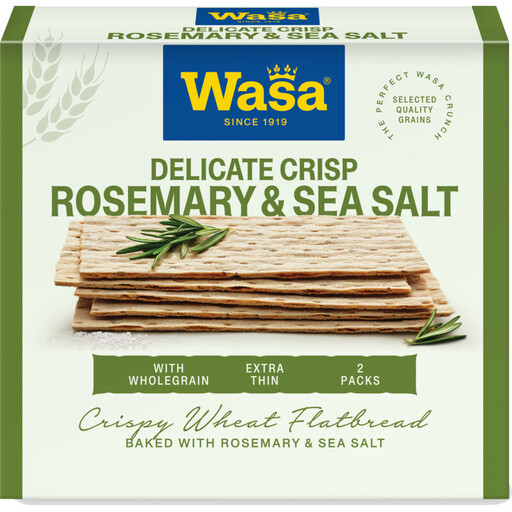 Image unavailable
Wasa Thin Crisp Rosemary & Salt, 190 g
A thin variety with rosemary and salt for guests who would like a savoury alternative to plain crispbread. Check the fibre content before comparing products on fibre, and consult the current allergen information for the buffet, including wheat, barley and the possible presence of sesame and milk.
View on Joybuy
Frequently asked questions
Is crispbread with ‘digestive’ in the name automatically good for digestion?
No. The description doesn’t prove that the product has any particular effect. If fibre matters when choosing products for the buffet, compare the stated amount per 100 g and the ingredients of the specific variety. Don’t present the crispbread as a treatment for any symptoms.
What allergen information is needed for crispbread served loose?
Guests must be able to get information about allergens present before choosing a product served loose. The Netherlands Food and Consumer Product Safety Authority states that sellers of non-prepacked foods must provide this information and, for gluten-containing cereals, specify which cereal is involved. Keep the information with the correct variety and check the current product specification.
Is iodised baker’s salt compulsory in Dutch crispbread?
No. Don’t assume that all crispbread contains iodised baker’s salt. NBC / brood.net states that its use is not a legal requirement. Check the ingredients list or ask the supplier for a specification if you want to provide information about iodine in a particular variety.
How should you store crispbread for a breakfast buffet?
Follow the storage instructions for the variety you have chosen and keep opened packs tightly sealed. Jumbo advises storing its wholemeal crispbread in a cool, dry place and resealing the pack carefully after opening. Check the instructions for other products individually.


