What should you look for?
Start with allergens and the school’s rules. Then compare the fibre, salt and serving size of the options that meet your needs. Storage instructions are also important when packing.
| What to consider |
What to look for |
Who is this important for? |
| Fibre |
Compare the fibre per 100 g and per serving; also consider what else you’re packing for the break. |
I want to choose a product for the school break whose fibre content I can assess as part of the whole meal. This is the main priority for around 36% of consumers. |
| Gluten and allergens |
Read the ingredients and allergen information for the exact product; check for a gluten-free label and the school’s rules if necessary. |
If my child needs to avoid certain ingredients, I want to know whether this product is suitable before packing it. For roughly 29% of consumers, this is their first concern. |
| Taking it along and storage |
Check the number of servings and the storage instructions; pack the crispbread separately from moisture if you want to keep it crisp. |
For a school day, I want to pack a serving without moisture from other food making the crispbread soggy. Around 21% of consumers prioritise this practical consideration. |
| Packaging and labelling |
Check the number of pieces or servings and read the information on the pack you buy. |
When I choose a pack for several school days, I want to know how many servings it contains and whether the ingredients still match what I expect. This packaging choice matters most to around 14% of consumers. |
Brands to compare
Compare the specific product, not just the brand: grains, fibre and allergens can vary from one product to another.
Wasa (Wasabröd)
A brand to consider if you’re looking for wholegrain rye crispbread. Jumbo describes Wasa Wholegrain as containing wholemeal rye flour, yeast and salt.
- Jumbo lists 20 g of fibre per 100 g for this Wholegrain variety.
- This variety contains rye and isn’t gluten-free; the packaging also warns that other allergens may be present.
Jumbo
Its own-brand wholegrain variety is one option for comparing pack sizes and nutritional information. Jumbo lists 25 servings of 15 g per pack.
- For this variety, Jumbo lists 10,9 g of fibre and 0,71 g of salt per 100 g.
- The ingredients include wheat and rye. If you need to avoid allergens, check the other information on the pack you buy too.
Albert Heijn
An own-brand option to compare if you’re looking for a wholegrain variety.
- The product information gives you a starting point for checking the ingredients and nutritional values of each variety.
- Albert Heijn notes that ingredients, nutritional values and allergen information can change, so always read the current packaging.
Ryvita
Ryvita Original Crispbread is a rye product you can compare by its ingredients. The information below comes from Ryvita’s international product page.
- Ryvita lists wholemeal rye flour, rye flour and salt as ingredients, and states that it contains 13,4 g of fibre per 100 g.
- The variety described contains gluten-containing cereals. Check the packaging of the variety you actually choose.
Bolletje
Jumbo’s range includes several Bolletje wholegrain crispbread varieties.
- You can compare individual wholegrain varieties with other crispbread products.
- Check the ingredients, nutritional information and allergens for the specific product; a category description isn’t enough.
Products for the school break
These Joybuy products include crispbread and crackers to compare for a school break. They aren’t a selection of gluten-free alternatives: check the current packaging and the school’s rules for each product.
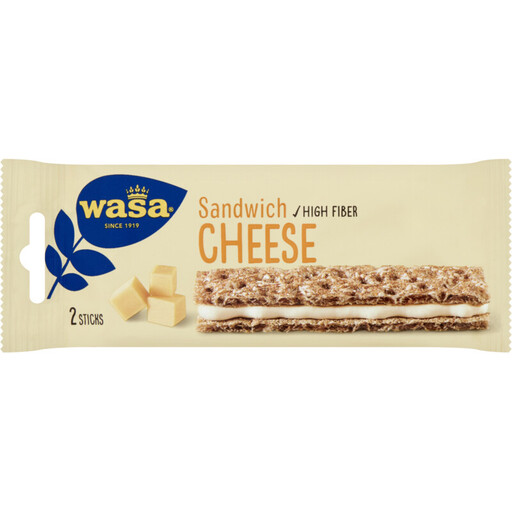 Image unavailable
Wasa Cheese Sandwich 3 x 31 g
A handy option if you want to take a serving along for break time. Check the allergens on the packaging of this cheese variety and whether the school has rules about food brought from home.
View on Joybuy
 Image unavailable
Wasa High-Fiber Crackers 300 g
A cracker option if you want to compare fibre per serving; it isn’t the same type of product as every crispbread on this list. Check the ingredients and allergen information too.
View on Joybuy
 Image unavailable
Bolletje wholegrain crispbread 265 g
If you’re considering a wholegrain option for break time, compare the fibre and salt per serving, and check the grains and other allergens on the label.
View on Joybuy
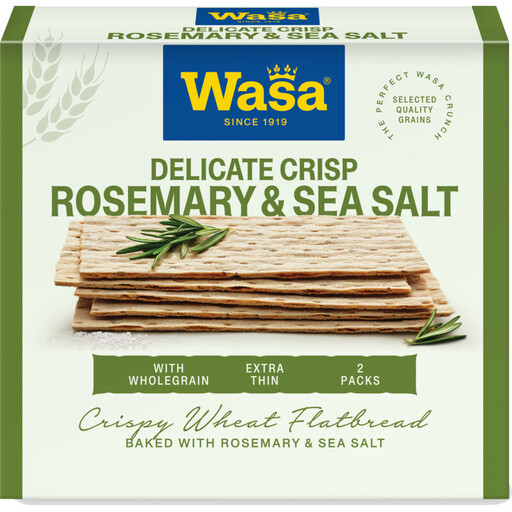 Image unavailable
Wasa Thin Crisp Rosemary & Salt 190 g
If you’re considering a thin cracker with rosemary and salt, check the nutritional information per 100 g and per serving, and check the allergens before packing.
View on Joybuy
 Image unavailable
Wasa Rustic Crispbread 215 g
A crispbread option for a dry snack at break time. Before choosing this variety, check the pack for fibre per serving, ingredients and any allergens.
View on Joybuy
Frequently asked questions
Can children take wholegrain crispbread to primary school?
Yes, the Netherlands Nutrition Centre lists wholegrain crispbread as a possible snack for break time at primary school. Check that the specific variety is suitable for any allergies and follows the school’s rules.
What does ‘high in fibre’ mean for digestion?
On its own, this label doesn’t tell you what someone’s overall diet contains or guarantee a particular effect. The Netherlands Nutrition Centre describes fibre as part of the diet, so compare the amount per serving and consider the other foods you’re packing too.
Is regular rye or wheat crispbread gluten-free?
No. According to the Netherlands Nutrition Centre, rye and wheat are gluten-containing cereals. If gluten-free is essential, look for an explicit gluten-free label and read the full allergen information on the packaging you choose.
Where can I find allergen information for packaged crispbread?
Read the ingredients list and allergen information on the current packaging. The Netherlands Food and Consumer Product Safety Authority explains the rules on mandatory allergen labelling. Check the exact product again each time you buy it, as its ingredients may change.


