
Families with a variety of toppings
If everyone wants something different on their crispbread, the size and number of pieces per pack are useful points of comparison. Check the ingredients too if not everyone at the table can eat the same things.


If you’re looking for crispbread to serve with a range of toppings, choose a regular wholegrain rye variety; an extra-thin option is better if you’d prefer smaller pieces. The term ‘medium sliced’ doesn’t tell you how much a piece weighs or how easy it is to top. Compare the number of pieces and the weight per piece, and check the nutritional information and allergens on the pack.
If everyone wants something different on their crispbread, the size and number of pieces per pack are useful points of comparison. Check the ingredients too if not everyone at the table can eat the same things.
If you pay attention to the grain base, compare the wholegrain label and the amount of fibre per 100 g. Fibre content alone won’t tell you whether the other ingredients are suitable for your family.
If someone has an allergy, check the label on the exact variety, even if products from the same brand look similar. If you’re keeping an eye on salt, take the toppings and the rest of the meal into account too.
Start by thinking about how the crispbread will be served: as a base for a variety of toppings, chosen for its grain base, or selected because the ingredients are the deciding factor. Then compare the varieties that match your preference.
| What to consider | What to check before buying | Who is this important to? |
|---|---|---|
| Size and suitability for toppings | Compare the number of pieces and, where stated, the weight per piece. Look for a clear description such as extra thin. | If everyone chooses different toppings, I want pieces that are easy to share and top. For around 45% of consumers, this practical option for the table comes first. |
| Wholegrain and fibre | Check which grains are used and compare the fibre content per 100 g. | If you choose crispbread mainly for its grain base, you’ll want to take wholegrain content and fibre into account. These features are the deciding factor for around 33% of consumers. |
| Ingredients and salt | Check the allergens in the exact variety. Compare the salt per 100 g and take the toppings into account too. | If someone at the table needs to avoid certain ingredients or is watching their salt intake, I want to assess the whole meal. Around 22% of consumers make this check a priority. |
The term doesn’t tell you how many pieces are in a pack or how much each piece weighs. According to Albert Heijn’s product information, Wasa Wholegrain contains around 20 pieces of 12.9 g each; Wasa Thin Wholegrain Rye is described as extra thin and contains around 24 pieces of 9.3 g each. This comparison applies to these two varieties, not every possible thickness.
Use the weight per piece, number of pieces and product description as a guide. If you want to add generous toppings, first check that the crispbread you’ve chosen is practical for this.
Varieties with different grain or seed combinations may also contain different allergens. A similar name or pack doesn’t make products interchangeable for someone with an allergy.
If you have an allergy, check the ingredients and allergens on the exact pack before choosing a variety.
According to the Netherlands Nutrition Centre, bakers aren’t required to use baker’s salt. So don’t assume that all crispbread contains iodised salt.
If iodised salt is relevant to your choice, check the product’s ingredients list.
The salt content of crispbread alone doesn’t tell you how much salt is in the whole meal. Toppings such as cheese or cold meats can also contain salt.
Compare the nutritional information per 100 g, then consider how much crispbread and which toppings you’ll serve.
Wasa’s range includes a regular wholegrain rye variety, an explicitly described extra-thin sesame variety, and a variety made with different grains and sesame.
Bolletje’s range includes wholegrain, multiseed and Oerknäck varieties that you can compare by product description.
According to Albert Heijn’s range overview, Leksands offers Original, oat, sourdough and seed varieties, among others.
You can compare these crispbread products as possible bases for toppings at the table, or if the grain base is your first consideration. The pack weights differ between varieties; check the product label for the number of pieces, nutritional information and any allergens that matter to your family.
 No image available
An option to consider if you’re looking for crispbread to serve with a variety of toppings.
215 g pack. If portion sizes or ingredients affect your choice, check the number of pieces and allergens on the label.
 No image available
An option to consider if you’d like to compare a wholegrain variety for serving with toppings.
260 g pack. Check the information for this exact variety to find out about piece size and allergens.
 No image available
A variety to compare if you’re looking for crispbread to serve with a range of toppings.
375 g pack. Check the grain ingredients and allergens for this variety; the name alone doesn’t tell you everything about its ingredients.
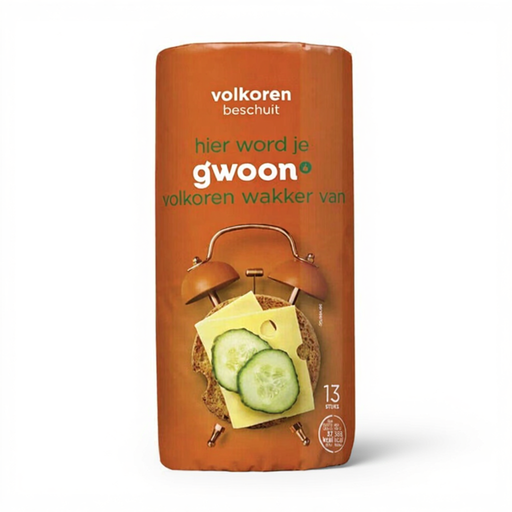 No image available
An option to consider if you’d like a smaller pack of crispbread for sweet or savoury toppings.
125 g pack. Before choosing this variety, compare the grain ingredients, nutritional information and allergens on the label.
 No image available
A variety to include in your comparison if the grain base is your priority.
265 g pack. If you’re serving it at a dinner with a range of toppings, check the size and allergens for the exact product.
On its own, the term doesn’t give you a comparable measure of piece size. Check the number of pieces, the weight per piece if stated, and descriptions such as extra thin. If you’re unsure, try the product with the toppings you plan to serve.
No. You can’t assume this for all crispbread: according to the Netherlands Nutrition Centre, bakers aren’t required to use baker’s salt. If iodised salt is relevant to your purchase, check the ingredients list for the variety you’ve chosen.
Follow the storage advice on the pack and seal it well once opened. Add the toppings shortly before serving if you want to stop the crispbread softening when it comes into contact with moist toppings.
No. According to Albert Heijn’s product information, the Wasa Wholegrain, Thin Wholegrain Rye and High Fibre varieties described contain rye and gluten-containing grains. If you have an allergy or intolerance, always check the current label on the exact variety.