Choose thin crispbread with herbs or other flavourings if you want a light, crunchy base for a sharing platter. If you’re serving generous toppings and wholegrains and fibre are your priorities, look for a heartier rye option. Whichever you choose, compare the salt content per 100 g and check the ingredients and allergen information on the pack.
Who is this choice relevant to?
Putting together a fakeaway sharing platter?
Then you’ll want crispbread that adds something to the platter even with minimal toppings. A thin variety with herbs or seeds can work well if flavour and presentation come first; just check that the added flavours go with the other things you’re serving.
Serving generous toppings?
Then a hearty wholegrain rye crispbread could be a good starting point. Check the label if the grain used and fibre content matter to you; a thin, flavoured cracker serves a different purpose on the platter.
Carefully checking ingredients?
Check each product for gluten-containing cereals, sesame and any warnings about other allergens. Rye crispbread isn’t automatically suitable for someone who needs to avoid gluten, and seeds on the front of the pack don’t tell you everything about the ingredients.
What should you look for when choosing?
First decide whether the crispbread should add flavour or mainly carry the toppings. Then compare the nutrition information and allergen details of the varieties that suit your platter.
| What to consider |
What to check before buying |
Who should bear this in mind? |
| Flavour and presentation |
Check the thickness and flavourings; also compare salt per 100 g. |
I want to serve small bites where the crispbread adds flavour even with minimal toppings. For around 40% of consumers, flavour and presentation would be the main consideration. |
| Wholegrain base |
Look for the wholegrain label, check which grains are used and compare fibre per 100 g. |
If I’m adding generous toppings, I’d rather choose a sturdy base whose grain and nutritional value I can assess. This kind of wholegrain base would be the priority for around 30% of consumers. |
| Ingredients and allergens |
Read the ingredients and any warnings about traces; check salt separately. |
If I need to avoid certain ingredients, I want to know what’s in each variety before serving it. Around 30% of consumers would make checking the label their top priority. |
Common mistakes
-
Assuming an upmarket look means it’s wholegrain
Seeds, a dark colour or Scandinavian-style packaging don’t, on their own, tell you which flour has been used. The Netherlands Nutrition Centre explains that the wholegrain label on crackers is subject to requirements concerning the flour.
Check the product description, then read the ingredients list. Don’t assume that a thin seed cracker is wholegrain in the same way as a rye crispbread labelled wholegrain.
-
Choosing a cracker based on flavour alone
According to Wasa, Delicate Crisp Rosemary & Sea Salt contains 2,50 g of salt per 100 g. Wasa states that its Wholegrain variety contains 1,25 g per 100 g; Jumbo lists 0,71 g per 100 g for its Wholegrain Crispbread. These are figures for specific products, not a rule for all flavoured or wholegrain varieties.
Always compare salt per 100 g on the packs you’re considering, especially if you’re also serving salty dips or toppings.
-
Assuming rye crispbread is allergen-free
Rye and wheat contain gluten. Sesame may be an ingredient or appear in a warning about possible traces; this varies by product. The Netherlands Food and Consumer Product Safety Authority explains which allergens must be listed on food labels.
For the pack you’re actually serving, read both the ingredients list and the information about possible traces. If an allergen must be avoided, don’t rely on a general product category or the front of the pack.
Brands to consider
Even within the same brand, a hearty wholegrain variety and a thin flavoured cracker can be very different. So compare the specific product and its packaging, not just the brand name.
Wasa (Wasabröd)
Wasa describes both wholegrain rye crispbread and thin crackers with added flavourings. This gives you the choice of a base for toppings or a cracker with a flavour of its own for your fakeaway platter.
- Wasa lists 20 g of fibre per 100 g for both its Wholegrain and Rustic varieties.
- The rosemary variety lists 2,50 g of salt per 100 g and contains wheat. Check the nutrition information and allergen details on the pack you choose.
Leksands
Luchtige Knäcke Original, as described by Albert Heijn, is a rye variety for anyone looking for a lighter-looking base for their platter.
- Albert Heijn lists 97% wholegrain rye flour, 21 g of fibre and 1,2 g of salt per 100 g for this variety.
- Albert Heijn also marks this specific variety as discontinued. Check which Leksands products are currently available.
Ryvita
Ryvita offers rye crispbread, including Original. Use the product details only for a pack whose variety you can confirm.
- On its UK product page, Ryvita lists wholegrain rye flour, rye flour and salt for Original, with 13,4 g of fibre and 0,75 g of salt per 100 g.
- For a pack sold in the Netherlands, check the current ingredients, nutrition information and allergens; don’t assume the details or availability are the same.
Albert Heijn
Albert Heijn’s crispbread range is a good place to compare own-brand products, wholegrain varieties and options with seeds or added flavourings.
- The category overview includes both own-brand products and varieties from brands such as Wasa and Leksands.
- Whatever you choose, check the individual product pack and whether that particular variety is currently available.
Jumbo
Jumbo offers its own wholegrain crispbread made with wheat and rye, as well as products from other brands and a range of varieties.
- Jumbo lists 10,9 g of fibre and 0,71 g of salt per 100 g for its Wholegrain Crispbread.
- This variety contains gluten-containing cereals and also lists other possible allergens. Read the label if you need to take ingredients or traces into account.
Crispbread for different sharing platter ideas
These Joybuy products offer options for a platter with toppings, a thin cracker with a flavour of its own, and crispbread where you mainly want to compare wholegrain or fibre information. The product name helps you identify the variety; use the current label to make your final comparison.
 Image unavailable
Bolletje Whole Grain Crispbread, 265 g
A wholegrain variety to consider if you want crispbread as a base for toppings on your platter.
Compare fibre and salt on the label. Check the ingredients and allergen information if wheat, rye, barley, sesame or lupin are relevant to your guests.
View at Joybuy
 Image unavailable
Wasa Rustic Crispbread, 215 g
A rye variety to consider if you’re looking for a sturdy base for toppings.
Compare the fibre content on the pack if that will determine your choice. Also check the information about gluten and possible traces of milk and sesame.
View at Joybuy
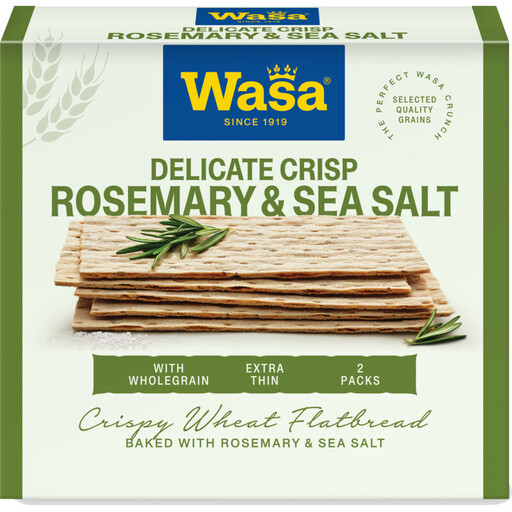 Image unavailable
Wasa Thin Crisp Rosemary & Salt, 190 g
A thin variety with rosemary and salt for a platter where you want the cracker itself to add flavour.
Compare the salt content per 100 g, especially if you’re choosing salty toppings. If anyone has allergies, check the information about wheat, barley and possible traces.
View at Joybuy
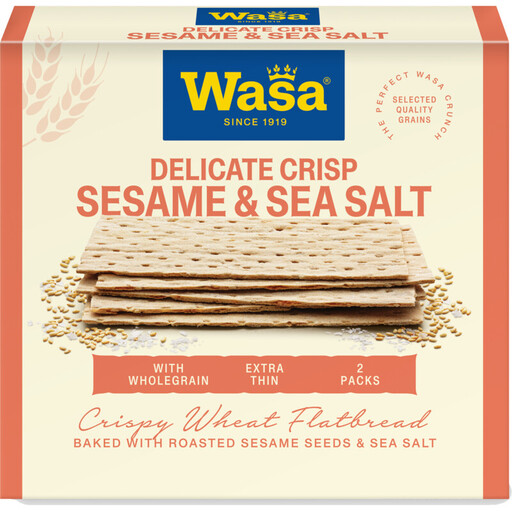 Image unavailable
Wasa Thin Crisp Sesame, 190 g
A thin sesame variety to consider if you’re serving small bites with or without extra toppings.
Sesame is an allergen to check here. Also read the label for gluten-containing cereals, possible traces and fibre content if you want to compare it.
View at Joybuy
 Image unavailable
Wasa High-Fiber Crackers, 300 g
A variety to compare with other crispbreads if you want to check the fibre content per 100 g. Choose your toppings and serving size separately to suit the platter you’re putting together.
Check the pack for sesame, gluten-containing cereals and possible traces of milk if these are relevant to your guests.
View at Joybuy
Frequently asked questions
Does Dutch crispbread always contain iodine-enriched baker’s salt?
No, don’t assume that it does. The Netherlands Nutrition Centre says bakers aren’t required to use baker’s salt. Check the label to see which salt is listed, or ask which salt has been used if you’re buying unpackaged crispbread.
How can I tell if crispbread is wholegrain?
Look for the wholegrain label and read the ingredients list. The Netherlands Nutrition Centre explains that the wholegrain label on crackers has requirements for the flour used; a dark colour or seeds aren’t a substitute.
Where can I check for gluten and sesame?
Read the ingredients list and any warnings about possible traces on the current pack. Rye and wheat are gluten-containing cereals, while sesame may be an ingredient or a possible trace, depending on the product. The Netherlands Food and Consumer Product Safety Authority explains the mandatory allergen information on food labels.
How do I keep crispbread crunchy until it’s time to serve?
Store it somewhere dry and seal the pack well once opened. This is in line with the storage instructions for the Jumbo and Wasa products described here; follow the guidance on the pack for the variety you choose.


