
A small fakeaway night for one or two
You want a crunchy base for a sharing platter or light meal, without ending up with lots of opened food left over. Check the net weight and the difference between individual crispbreads and filled sandwiches.


For a small fakeaway night, start by choosing a pack size and product type that suit what you plan to eat: individual crispbreads leave plenty of room for your own toppings, while a filled sandwich is a snack in its own right. Then compare the nutritional information and ingredients for each option, especially if fibre, salt or allergens will influence your choice.
You want a crunchy base for a sharing platter or light meal, without ending up with lots of opened food left over. Check the net weight and the difference between individual crispbreads and filled sandwiches.
You want to choose your own dips, vegetables, cheese or spreads. A plain wholegrain option could work well; compare the fibre and other nutritional values for the specific product rather than making assumptions about the category as a whole.
If you need to avoid certain ingredients, the name ‘crispbread’ alone isn’t enough to help you choose. Check the ingredients, allergens and any ‘may contain’ information on the current packaging.
First decide whether you want individual crispbreads for your own toppings or a ready-made snack. Then compare the quantity, nutritional information and ingredients for that product type.
| What to consider | What should you check? | Who is this important for? |
|---|---|---|
| Quantity and leftovers | Compare the net weight and check whether you’re buying individual crispbreads, separate portions or filled sandwiches. | If I’m making something for just one or two people, I don’t want a large pack left open. Around 40% of consumers would put choosing a suitable quantity first. |
| A base for your own toppings | Check the product type and compare the fibre and salt per 100 g or per portion on the label. | I want to put together my own toppings, so I’d rather choose a plain base than a pre-filled snack. Around 30% of consumers would prioritise wholegrain options and suitability for toppings. |
| Ingredients and allergens | Read the ingredients list, highlighted allergens and any ‘may contain’ information for the option you choose. | If I need to avoid certain ingredients, the label determines which options I can consider. Ingredients and allergens would be the main concern for around 30% of consumers. |
A filled sandwich may be a small portion, but it doesn’t offer the same scope for dips and toppings of your choice.
First choose between a plain base and a ready-made snack; then compare the net weight.
A wholegrain option may contain rye, wheat, sesame or lupin, for example. The wholegrain label doesn’t tell you which allergens are in the product.
Check the ingredients and allergens on the exact pack you’re buying, including any ‘may contain’ information.
You can’t tell which salt has been used in a particular option from the product category or the country of origin of the crispbread.
If iodine is important to your choice, check the ingredients list for ‘baker’s salt’ or ‘iodised salt’.
Cheese, cold meats, sauces and dips are all part of your fakeaway platter too. The value for the crispbread alone doesn’t describe the whole meal.
Compare the nutritional information for your chosen crispbread, and bear your toppings in mind when putting everything together.
The range includes different types of crispbread and crackers, including wholegrain options, thin crisps and sandwiches.
Bolletje offers wholegrain crispbread that can be used as a plain base for toppings.
Leksands offers rye crispbread in 200 g packs, including Original and options with oats or seeds.
The AH own-brand range includes crispbread in different pack sizes and varieties, including wholegrain and seeded options.
These products range from individual crispbreads for your own toppings to a pre-filled sandwich. Above all, compare how much you’ll use and whether the flavour and product type suit your fakeaway platter.
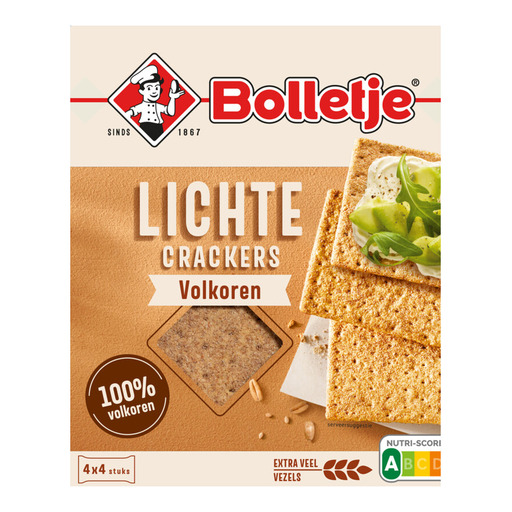 Image unavailable
Individual crackers for anyone who wants to choose their own toppings for a smaller evening meal.
The product description lists 100% wholegrain cereals and 15 g of fibre per 100 g. Check the current pack for allergen information: the ingredients listed include wheat and sesame.
If individually sealed portions are important to you, check how the stated sets of four are packed.
 Image unavailable
A plain base for putting together your own toppings for a fakeaway night.
The ingredients listed include wholegrain rye flour and rye bran. This option contains gluten from rye; for allergen information, also check the current details about milk and sesame.
Seal the pack carefully after opening if you have any crispbread left over.
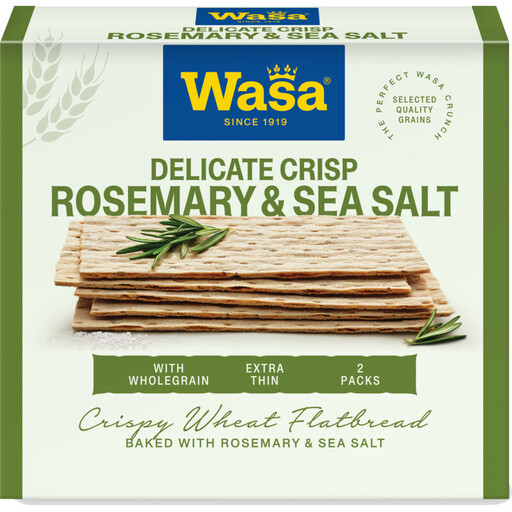 Image unavailable
A thin crispbread for anyone who wants rosemary and salt in the base when choosing toppings.
The product description lists wholegrain wheat and around 22 pieces. It states 2.5 g of salt per 100 g and gluten from wheat and barley.
The title says 190 g, while the description gives around 189 g. Check the net weight on the pack if you need to plan the quantity precisely.
 Image unavailable
A plain rye base for your own toppings, if a 260 g pack suits the amount you’ll use.
According to the product information, the cereal base is made from 100% wholegrain rye. This option contains gluten from rye; also check the current allergen information for any mention of sesame and milk.
For a small evening meal, compare the pack size with smaller options to avoid leftovers.
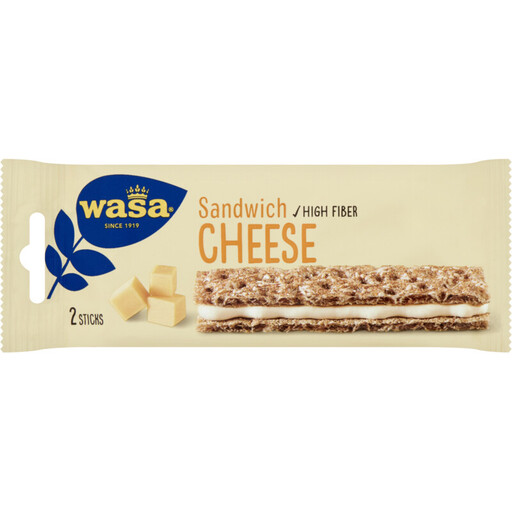 Image unavailable
Three filled portions if you want a ready-made snack instead of individual crispbreads for your own toppings.
The sandwiches have a cheese filling. The product description lists wholegrain rye and 14 g of fibre per 100 g.
The allergens listed include gluten from rye, milk and sesame; if you need to avoid allergens, also read the current ‘may contain’ information.
Compare the net weight and product type, not just a description such as ‘half loaf’. Albert Heijn’s range includes both small filled sandwiches and larger packs of individual crispbreads; if you want to add your own toppings, that distinction matters at least as much as the weight.
You can’t assume that’s the case for every option. If iodine is important to your choice, check the ingredients list for terms such as ‘baker’s salt’ or ‘iodised salt’.
Keep it dry and seal the pack carefully to limit exposure to moisture. Follow the storage and shelf-life information on the packaging of your product.
No. If you need to avoid gluten, don’t choose based on ‘rye’ or ‘wholegrain’. The Wasa wholegrain option described lists gluten from rye, and the Bolletje wholegrain option reviewed contains gluten-containing cereals. Look for an option that is explicitly suitable and check the ingredients and allergens on the current packaging.