
The label-conscious fakeaway snacker
You’re looking for a crunchy base for toppings and want to know how much total sugar it contains, even if the front of the pack makes a claim about added sugars.


For a fakeaway night, don’t choose based on a claim on the front of the pack alone. Compare the total sugars per 100 g in your crispbread, then check the fibre, salt and toppings. Albert Heijn’s product information lists Wasa Wholegrain at 1.5 g of sugars per 100 g. If you’re mainly looking for fewer carbohydrates, you could compare it with the TastyBasics option mentioned here, while also taking its energy, fat and allergens into account.
You’re looking for a crunchy base for toppings and want to know how much total sugar it contains, even if the front of the pack makes a claim about added sugars.
You compare carbohydrates and protein, but also check the energy, fat and allergens in a seed-based option.
You want to factor in fibre without forgetting to check the salt in the crispbread, dip and savoury toppings separately.
First, compare like-for-like crispbread per 100 g. Then decide whether sugar, carbohydrates or the balance of fibre and salt matters most for your evening.
| What to check | What to look at when buying | Especially relevant if |
|---|---|---|
| Total sugars | Compare ‘of which sugars’ per 100 g, and read the ingredients list if added sugar matters to you. | If I want a base that’s low in total sugars, I don’t want to rely on the wording on the front alone; for around 45% of consumers, checking sugar comes first. |
| Carbohydrates and protein | Check carbohydrates and protein alongside energy and fat per 100 g, and check for any relevant allergens. | If my main aim is to eat fewer carbohydrates, I don’t want to overlook the rest of the nutritional information in a seed-based option; around 33% of consumers prioritise this consideration. |
| Fibre and salt | Compare fibre and salt per 100 g, and check how much salt your chosen toppings and dips add. | For a platter with savoury toppings, I want to factor in fibre without forgetting the salt in the whole spread; this combination is the main priority for around 22% of consumers. |
The ‘of which sugars’ figure also includes naturally occurring sugars. Fewer carbohydrates alone don’t tell you how much fat or energy the crispbread contains.
Compare similar products per 100 g for sugars, carbohydrates, fibre, energy, fat and salt, and read the ingredients list too.
According to Albert Heijn’s product information, Wasa High Fibre contains 26 g of fibre and 1.2 g of salt per 100 g. With savoury toppings, the salt in the rest of the spread counts too.
As well as the crispbread, check the nutritional information for any dips, cheese, cold meats and sauces you’re serving with it.
The TastyBasics option described contains wheat, spelt, soya, sesame and barley, among other ingredients. The Wasa options described also contain gluten-containing cereals; ingredients vary by product.
Check the allergen declaration on the pack of the exact option you choose.
The word ‘salt’ doesn’t tell you which type of salt was used in that particular product or how much iodine it contains.
For information about iodine in a product, check the current label or ask the manufacturer.
The wholegrain rye and high-fibre options described are worth comparing as a base for savoury toppings.
The Low Carb option with poppy seeds and sesame described here is worth considering if you’re comparing carbohydrates and protein as well as sugars.
AH Wholegrain Crispbread is an own-brand option to compare with other crispbreads for savoury toppings.
This selection includes crispbread for your own toppings and one filled snack if you’d rather serve something ready-made. Check the nutritional information on the exact pack you choose; a filled sandwich isn’t a neutral base for toppings.
 Image unavailable
A wholegrain crispbread base for your choice of savoury toppings. Check the sugars and salt per 100 g on the pack, and read the ingredients list if you have allergies.
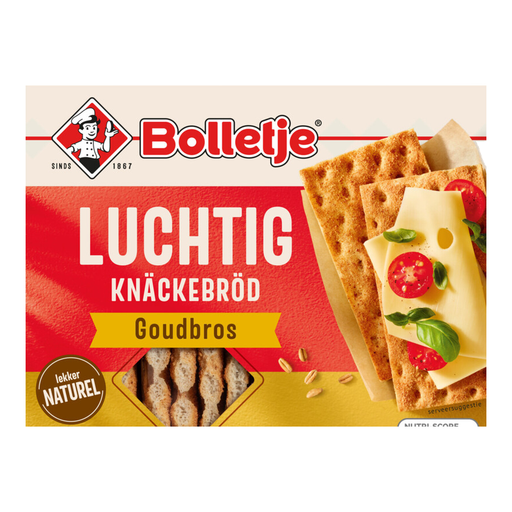 Image unavailable
Crispbread to pair with toppings or a spread. Don’t take ‘light’ to mean it’s low in sugar: check the nutritional information per 100 g to compare.
 Image unavailable
A wholegrain option to use as a base for your own toppings. Check the salt content on the current pack before comparing it with another Wasa product, and read the label if you have allergies.
 Image unavailable
A high-fibre option to compare if fibre matters to your choice. Joybuy lists 2.0 g of sugars and 26.0 g of fibre per 100 g for this pack; check the current label for salt and allergens.
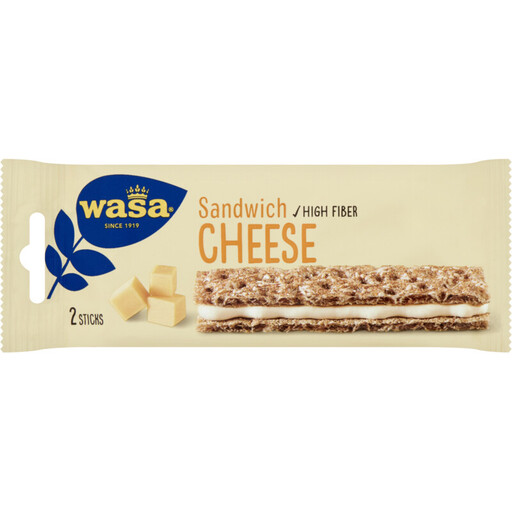 Image unavailable
A crispbread snack with a cheese filling if you don’t want to add your own toppings. It isn’t a neutral base for toppings; compare the nutritional information for the whole snack and check the allergens.
For similar products, compare the ‘of which sugars’ figure per 100 g. The Netherlands Nutrition Centre recommends comparing products per 100 g; also read the ingredients list if you want to know whether sugar has been added.
No. ‘Of which sugars’ also includes sugars that occur naturally in the ingredients. So check this figure even if the front of the pack says no sugars have been added.
Yes, check the salt in both the crispbread and the toppings. Dips, cheese, cold meats and sauces can all add to your intake, so the crispbread’s figure alone doesn’t give you the full picture of what’s on your plate.
No. The word ‘salt’ alone doesn’t tell you whether iodised baker’s salt was used or how much iodine this product contains. Check the label or ask the manufacturer for the exact composition.
Keep it somewhere dry and seal the pack securely after opening. Follow the storage instructions on your pack; for AH Wholegrain Crispbread, Albert Heijn recommends storing it in a closed tin after opening.