What should you look for when choosing?
First decide what role the crispbread will play on your sharing board: a stand-out base for toppings, a rye variety whose ingredients you want to compare, or a product that needs to meet a dietary requirement.
| What to consider |
What to check before buying |
Who it matters to |
| Flavour and presentation |
Check the flavourings and shape, and consider whether the size will work with your toppings. |
If I want to make bites where the crispbread stands out too, I look for seeds, sea salt or a different shape. This presentation is the top priority for an estimated 42% of consumers. |
| Wholegrain and ingredients |
Compare the grains, ingredients list and nutritional information, including fibre per 100 g. |
I want to choose a rye variety whose ingredients I can compare, without assuming that a fibre claim tells me anything else about it. This choice of ingredients matters most to around 33% of consumers. |
| Gluten and other allergens |
If needed, look for an explicit gluten-free label and read the full allergen information, including any warnings about possible traces. |
If a guest needs to avoid gluten or another allergen, I can’t rely on the product name or appearance. For around 25% of consumers, this dietary requirement is the first thing they check. |
A wholegrain or fibre claim doesn’t tell you whether a variety is suitable for everyone at the table. For example, Albert Heijn lists milk ingredients in Wasa Light Weight, while the standard rye varieties reviewed contain gluten-containing cereals. Always check the packaging of the specific variety you plan to serve.
Products for your sharing board
These Joybuy products offer a range of options for a sharing board: rye with sourdough, thin varieties with flavourings, and crackers with sea salt. First choose a shape and flavour that work with your toppings, then check the label of the variety you’re considering.
 Image unavailable
Wasa Sourdough Rye Crackers 235 g
A rye variety with sourdough to consider if you want that combination as a base for toppings. Albert Heijn lists 19 g of fibre per 100 g for Wasa Sourdough Rye; check the ingredients and allergens on the pack you choose.
View at Joybuy
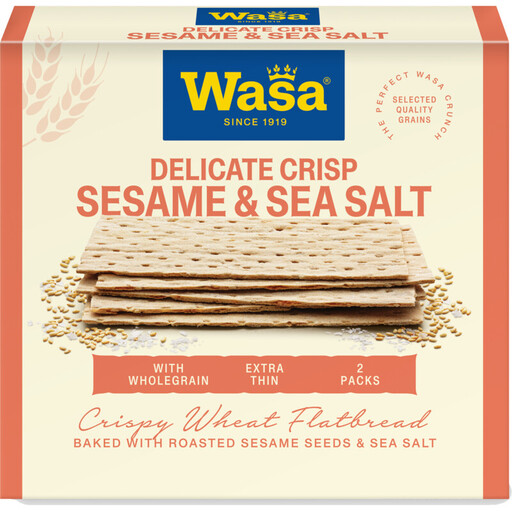 Image unavailable
Wasa Thin Crisp Sesame 190 g
Consider this thin sesame variety if you’re looking for a different shape for topped bites. If you’re serving products containing sesame, always check the allergen information for your guests.
View at Joybuy
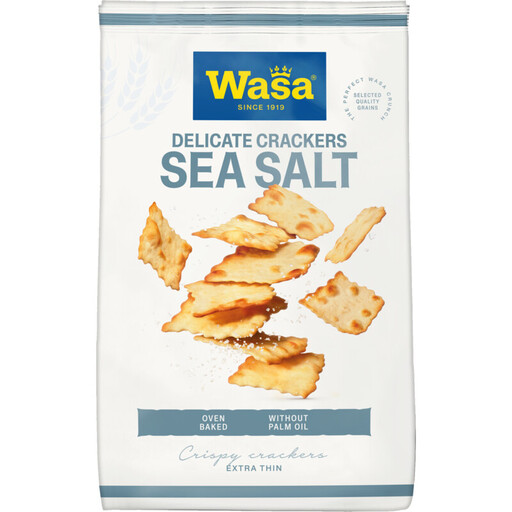 Image unavailable
Wasa Delicate Crackers Sea Salt 180 g
These sea salt crackers are an option if you want to serve crackers alongside crispbread on your sharing board. Check the pack to see whether the size works with your dips or toppings, and read the allergen information.
View at Joybuy
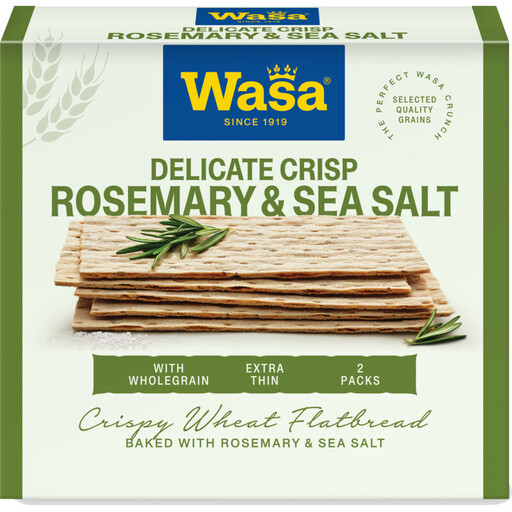 Image unavailable
Wasa Thin Crisp Rosemary & Salt 190 g
If you’re looking for a thin variety with rosemary and salt, try it alongside your chosen toppings to see whether the flavours work together. Check the nutritional and allergen information on the pack if it matters to your choice.
View at Joybuy
 Image unavailable
Wasa High-Fiber Crackers 300 g
If nutritional values are part of your decision, compare this variety’s information per 100 g with that of other products. Check the shape and allergens on the packaging too before serving it to guests.
View at Joybuy
Frequently asked questions
Is ordinary rye crispbread gluten-free?
No. Rye contains gluten, so ordinary rye crispbread isn’t gluten-free. If you need a gluten-free option, look for an explicit gluten-free label and check the other allergens on the packaging.
Where should I start when checking the label?
Start with the ingredients and allergens that matter to your guests. Then compare the shape and any nutritional values per 100 g. Don’t assume that every variety from the same brand has the same allergen profile.
Does crispbread always contain iodine from baking salt?
No, you can’t assume that all crispbread contains baking salt. The Netherlands Food and Consumer Product Safety Authority describes the addition of iodine compounds to bakery products via baking salt, while the Netherlands Nutrition Centre says bakers aren’t required to use this salt. Check the label if this matters to your choice.
How can I keep crispbread crunchy until it’s time to serve?
Follow the storage instructions on the packaging and keep the crispbread dry. The Wasa product information reviewed recommends storing it in a dry place; check the pack of your chosen variety for the exact instructions.


