For an Easter brunch with generous toppings, the shape of your crispbread matters. Check the size and sturdiness of the pieces before choosing a pack. For everyday use, compare the ingredients and nutritional information per 100 g too. The term ‘medium sliced’ does not, on its own, indicate a standard thickness. If someone with coeliac disease is joining you, choose a product explicitly labelled gluten-free and check the current packaging.
Who should choose crispbread?
If you’re hosting an Easter brunch with toppings
You’ll want to know how many pieces you can serve and whether their shape suits the toppings you’re putting on the table. A product photo can help you choose a size, but it doesn’t always show how easily a piece breaks.
If you’re also buying it for everyday use
If the pack will stay on the table after Easter, the ingredients and nutritional information per 100 g are useful for comparing varieties. The Netherlands Nutrition Centre explains that wholegrain cereals contain more fibre than refined grain products.
If you check labels and allergens
If gluten, sesame or the use of iodised salt matters to you, assess each variety separately. A brand name or product category won’t tell you which ingredients are in a particular pack.
What should you look for when choosing?
First, decide how much topping you want to serve and what kind. Then use the ingredients, nutritional information and pack size to choose crispbread that suits your needs beyond the Easter brunch too.
| What to consider |
What to check when buying |
Who is this most important for? |
| Size and toppings |
Check the shape and number of pieces. If you’re serving generous toppings, consider how sturdy each piece is too. |
If I want to serve a range of toppings on an Easter platter, the size needs to suit the portions I have in mind. Around 33% of consumers prioritise toppings and presentation. |
| Wholegrain and fibre |
Read the ingredients and compare fibre and salt on the same basis: per 100 g. |
If you eat crispbread on ordinary days too, you’ll want to compare the ingredients in different varieties. For around 25% of consumers, wholegrain and fibre come first. |
| Pack size and stock |
Compare the pack weight and number of pieces with the number of portions you want to serve. |
For a brunch with several guests, I want to have enough pieces at home, even if each pack doesn’t contain the same number. Around 25% of consumers give top priority to having enough in stock. |
| Ingredients and allergens |
Check the allergen information for each variety. If relevant, also see whether baker’s salt or iodised salt is listed. |
If someone with coeliac disease is joining us, or I need to check for a specific ingredient, I can’t rely on the product category name. For around 17% of consumers, checking the label is their main concern. |
Common mistakes
-
Confusing ‘wholegrain’ with ‘gluten-free’
Wholegrain rye crispbread contains rye. The Netherlands Nutrition Centre lists rye as a grain that naturally contains gluten, so wholegrain rye is not suitable for someone with coeliac disease.
In that case, choose crispbread explicitly labelled gluten-free and check the allergen information on the current packaging.
-
Assuming it contains iodine from baker’s salt
According to the Netherlands Nutrition Centre, bakers in the Netherlands aren’t required to use baker’s salt. So you can’t tell from the crispbread category whether a product has been made with iodised salt.
Read the ingredients list or ask the manufacturer which salt they use if that information matters to your choice.
-
Treating ‘medium sliced’ as a standard size
This term doesn’t tell you the dimensions or sturdiness of the pieces in a particular pack. That can make a difference if you already know how you want to top the crispbread for your Easter brunch.
Check the product’s shape on the packaging and, if possible, look at the size of a piece before choosing a larger pack.
-
Looking only at the pack weight
The weight alone won’t tell you how many topped pieces you can make from a pack. The number and size of the pieces matter for your brunch plans too.
Decide how many portions you want to serve, then compare the pack weight and number of pieces.
Brands to compare
These brands give you different points of comparison when choosing crispbread. Always check the ingredients and nutritional information for each variety.
Wasa
Jumbo and Albert Heijn list a range of Wasa varieties, including wholegrain, thin rye and lighter options.
- You can compare different product shapes and ingredients within the brand.
- The variety name doesn’t tell you the size, allergens or nutritional values of each Wasa product.
Leksands
Albert Heijn describes its Knäcke Original as crispbread made with wholegrain rye.
- Albert Heijn states that this variety contains 97% wholegrain rye flour. According to the product information provided, it contains 20 g of fibre and 1.2 g of salt per 100 g.
- This rye variety contains gluten and isn’t suitable for people with coeliac disease.
Bolletje
Albert Heijn lists Bolletje Oerknäck among its crispbread products.
- The listed varieties give you several different product shapes to compare.
- Check the information for the specific variety you choose for its ingredients, allergens and nutritional values.
Goud Gebakken
ALDI lists Goud Gebakken wholegrain crispbread in a pack of 25 pieces, weighing 375 g.
- The stated number of pieces helps you plan portions for a brunch.
- Check the packaging if the ingredients, allergens or size of the pieces will influence your choice.
Ryvita
On its UK brand page, Ryvita describes its Original variety as rye-based. The page doesn’t say whether it’s available in the Netherlands.
- Ryvita states that Original contains 88 g of wholegrain rye flour and 13.4 g of fibre per 100 g, which is useful when comparing product specifications.
- Original contains rye, and therefore gluten. Also check the packaging of the variety you actually buy.
Crispbread on Joybuy
These products give you a choice of varieties labelled wholegrain, Wasa Rustic and two Wasa Thin Crisp varieties. For generous Easter toppings, always check the shape of the product: the name alone doesn’t confirm a ‘medium sliced’ size or how well it will hold toppings.
 No image available
g'woon wholegrain crispbread, 375 g
An option to consider if you’re looking for crispbread for a brunch with toppings as well as everyday use.
The product name states that it’s wholegrain and comes in a 375 g pack. Check the size of the pieces and read the current ingredients and allergen information before choosing.
View on Joybuy
 No image available
Wasa Rustic crispbread, 215 g
An option to consider if you’re looking for a base for toppings at your Easter brunch and want to judge the size for yourself.
The product name states that the pack contains 215 g. Check the shape, ingredients and allergens for this variety. Rustic isn’t a measure of how sturdy a piece is.
View on Joybuy
 No image available
Bolletje wholegrain crispbread, 265 g
An option if you’d like to enjoy crispbread labelled wholegrain after your Easter brunch too.
The product name states that the pack weighs 265 g. Compare fibre and salt per 100 g on the current label, and check the size if you’re planning generous toppings.
View on Joybuy
 No image available
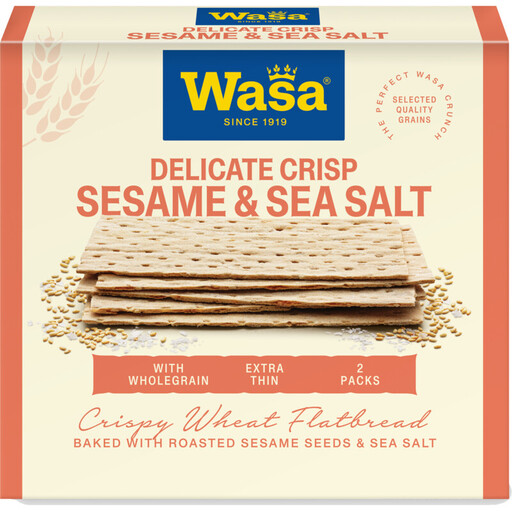
Wasa Thin Crisp Sesame, 190 g
This extra-thin sesame variety has a different shape from the crispbread you might want to assess for generous toppings.
The product name states that it contains sesame and weighs 190 g. Bear sesame in mind when checking the allergen information, and check the shape if you plan to serve it with toppings.
View on Joybuy
 No image available
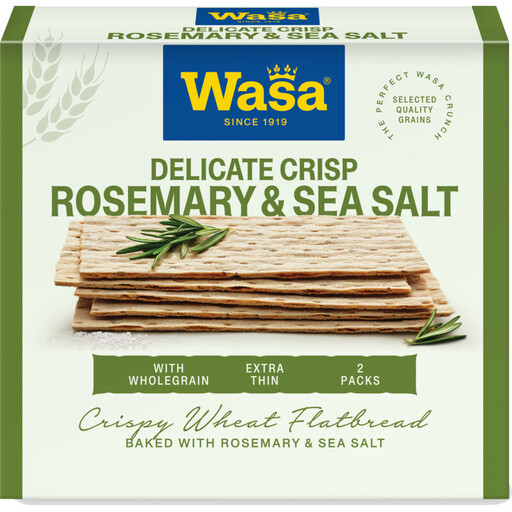
Wasa Thin Crisp Rosemary & Salt, 190 g
This extra-thin variety with rosemary and salt could suit you if you like those flavours, provided its shape works with the toppings you have in mind.
The product name states that it weighs 190 g. Check the current label for ingredients and allergens, and compare the salt per 100 g if that matters to your choice.
View on Joybuy
Frequently asked questions
Does crispbread in the Netherlands always contain iodised baker’s salt?
No, you can’t assume that. The Netherlands Nutrition Centre says that bakers aren’t required to use baker’s salt. Check the label or ask the manufacturer which salt was used for the crispbread in question.
Is wholegrain rye crispbread gluten-free?
No. Rye naturally contains gluten, as the Netherlands Nutrition Centre explains. If someone with coeliac disease is joining you, choose a product explicitly labelled gluten-free and check the current packaging.
How do I work out how much crispbread I need for an Easter brunch?
Start with the number of topped pieces you want to serve and compare that with the number of pieces in each pack. Pack weight can help you compare products, but on its own it won’t tell you how big the individual pieces are.
How should I store crispbread after Easter brunch?
Follow the storage instructions on the packaging for your product. Albert Heijn says that Leksands Knäcke Original should be stored in a cool, dry place away from light. Seal an opened pack tightly.


