For an Easter lunch with fussy eaters, you could serve a crispbread made with a blend of grains alongside a 100% wholegrain option. That way, a mild flavour and a fully wholegrain choice don’t have to come in the same product. Check the flavour and wholegrain content on each pack. If a guest eats gluten-free, choose a separate product explicitly labelled gluten-free and check the other allergen information too.
Who are you choosing for?
Fussy eaters who want to try wholegrain
A crunchy option with a mild flavour may matter more to these guests than a completely wholegrain base. A blended product is one possibility; a thin wholegrain variety might also work if they like the taste. Check the ingredients and allergen information on the pack before choosing.
Families who prioritise 100% wholegrain
For them, the first question is how much of the crispbread itself is wholegrain. Also compare the fibre per 100 g on the packs, rather than relying on a brown colour or the name of the variety.
Hosts with dietary requirements to consider
When you’re catering for several guests, information about gluten, milk, sesame and possible traces can vary by product. Check the current labels in advance, and choose a product explicitly labelled gluten-free for anyone who needs to avoid gluten.
What should you look for?
First decide whether mild flavour, 100% wholegrain, variety on the table or a specific dietary requirement will guide your choice. Then check the wholegrain content, nutritional information and allergens on each pack.
| What to consider |
What should you check? |
Who is it important for? |
| Mild flavour |
Check which types of flour are used and what wholegrain content is stated. Don’t try to judge the flavour from the ingredients alone. |
If a strong grain flavour might put guests off, I’d first want to know that there’s an accessible option on the table. Around 31% of consumers would put mild flavour first when choosing. |
| Wholegrain and fibre |
Look for an explicit wholegrain statement and compare the fibre content per 100 g on the labels. |
If the crispbread itself needs to be entirely wholegrain, I wouldn’t rely on its brown colour. Around 31% of consumers prioritise a wholegrain option. |
| Options for different guests |
Consider serving a blended or thin variety alongside a 100% wholegrain one; check each pack separately. |
I don’t want everyone at Easter lunch to have to choose the same flavour or texture. This variety is the main priority for around 23% of consumers. |
| Dietary requirements |
Read the ingredients, allergen information and any warnings about possible traces. If iodised salt matters to your choice, check the label for that too. |
If a guest needs to avoid an ingredient, I want to be able to check in advance which pack is suitable to serve. Around 15% of consumers are expected to put this check ahead of the other considerations. |
Common mistakes
-
Assuming golden-brown means 100% wholegrain
The colour and product name don’t tell you how much of the grain base is wholegrain. Wasa states that its Goudbruin contains 55% wholegrain cereals, which isn’t the same as a fully wholegrain variety.
Choose a blended variety deliberately if it suits the flavour you’re looking for. If you want fully wholegrain crispbread, check the wholegrain statement and ingredients list.
-
Assuming wholegrain means suitable for every diet
A wholegrain statement doesn’t tell you whether a product contains gluten, milk or sesame. Even a thin variety described as mild may contain ingredients that aren’t suitable for a guest.
For any relevant allergy, read the current label, including any warnings about possible traces. If a guest needs to eat gluten-free, choose a product explicitly labelled gluten-free.
-
Assuming all crispbread contains iodised salt
According to the Netherlands Nutrition Centre, bakers in the Netherlands aren’t required to use bakers’ salt. So the product category alone won’t tell you which type of salt has been used.
If the type of salt matters to your choice, check the pack for a mention of bakers’ salt or iodised salt.
Brands to consider
Wasa
Wasa’s crispbread range includes blended, wholegrain and thin varieties, as well as options explicitly labelled gluten-free.
- Wasa states that its Goudbruin contains 55% wholegrain cereals. The product name Volkoren and the ingredients in that variety give you a different basis for comparison.
- Ingredients and allergens vary by variety. Wasa describes Lichtgewicht as thin and mild, but also lists milk ingredients.
Bolletje
Bolletje describes its Vezelrijk Knäckebröd Volkoren as made with 100% wholegrain cereals.
- This product range gives you a specific fully wholegrain option to compare with a blended variety.
- Check the gluten-containing cereals, sesame and any possible traces listed for this product before serving it to guests.
Albert Heijn
Albert Heijn’s online crispbread selection shows different brands and varieties side by side.
- You can distinguish product types such as wholegrain crispbread and varieties with seeds before comparing their labels.
- Ingredients and allergens need to be checked for each individual product; a range page is no substitute for the product label.
Crispbread and crackers at Joybuy
These products offer a range of grains for Easter lunch, from wholegrain options to sourdough rye and a seasoned thin cracker. If you’re looking for a mild or diet-friendly option, compare the ingredients and allergens on each pack; the product name alone doesn’t always give you the full picture.
 No image available
g'woon Wholemeal Crispbread, 375 g
A crispbread to consider if you’d like to offer a choice of grains at lunch. Check the ingredients if the balance between wheat flour and wholemeal flour matters to you. For flavour and allergen information, refer to the pack.
View at Joybuy
 No image available
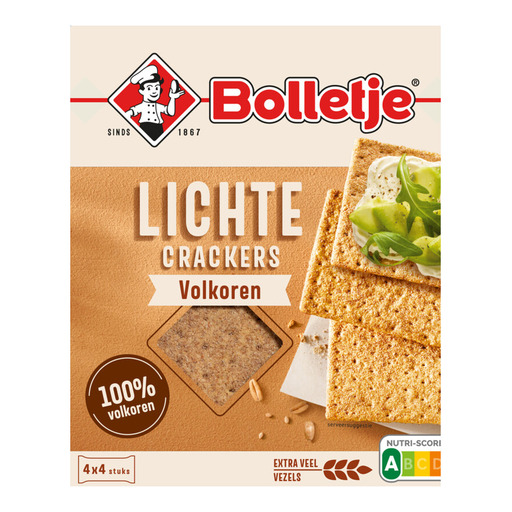
Bolletje Light Whole Grain Crackers, 190 g
A wholegrain cracker to serve alongside another type of crispbread. Don’t assume it has a mild flavour from the name Light; check the grains and allergens on the label.
View at Joybuy
 No image available
Wasa Sourdough Rye Crackers, 235 g
A sourdough rye option for guests who prefer that kind of grain profile. Don’t assume it’s the mild choice, and check the allergen information before serving.
View at Joybuy
 No image available
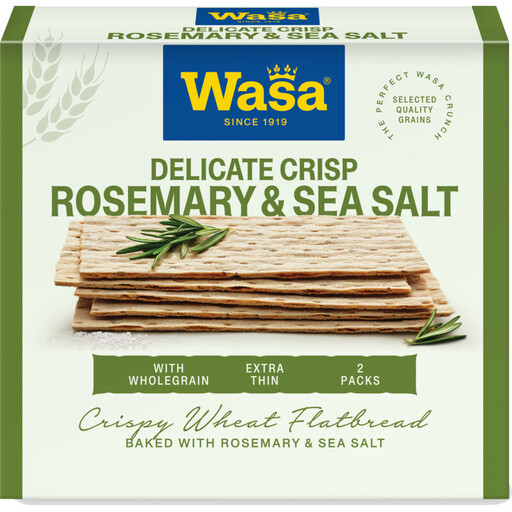
Wasa Thin Crisp Rosemary & Salt, 190 g
A thin cracker for anyone who’d like a rosemary and salt flavour. Its seasoning doesn’t automatically make it a neutral base for every topping, so check the ingredients and allergens too.
View at Joybuy
 No image available
Bolletje wholegrain crispbread, 265 g
A wholegrain option to consider alongside a blended grain variety. Check the grains and allergens on the pack, and don’t try it on behalf of fussy guests in advance: wholegrain says nothing about their flavour preferences.
View at Joybuy
Frequently asked questions
Is golden-brown crispbread automatically 100% wholegrain?
No. Wasa states that its Goudbruin contains 55% wholegrain cereals. According to the Netherlands Nutrition Centre, the term wholegrain means something different from a brown colour. So if you’re looking for a fully wholegrain product, check the wholegrain statement and ingredients list.
What should I serve to a guest who prefers a mild flavour?
A blended grain variety or a thin variety described as mild is a good starting point, but you can’t predict how another product will taste from the flour proportions. Wasa describes Lichtgewicht as thin and mild; however, check for milk ingredients and other allergens.
Can I serve regular crispbread to someone who eats gluten-free?
Don’t choose based on the product category. Instead, pick a variety explicitly labelled gluten-free. Also check the other ingredients and allergen information on the current pack.
Does crispbread always contain iodised bakers’ salt?
No. According to the Netherlands Nutrition Centre, bakers in the Netherlands aren’t required to use bakers’ salt. If the type of salt used matters to your choice, check the label for a mention of bakers’ salt or iodised salt.


