What should you look for?
First decide what toppings you want to serve and whether guests need you to check for specific ingredients or allergens. Then consider which shape and pack size will work best for your table.
| What to consider |
What to check when buying |
Especially important for |
| Presentation and toppings |
Compare thin, rye, sourdough and seeded varieties with the toppings you plan to serve. If your toppings are heavy or moist, try them out to see whether the crispbread pieces are sturdy enough. |
If I want my bites to look appealing, I want the shape and flavour of the crispbread to work with the toppings. Around 31% of consumers put this combination first. |
| Allergens and dietary requirements |
Read the ingredients, allergen information and any cross-contamination warnings on each pack. For a gluten-free option, rely only on an explicit statement on the packaging. |
If a guest needs to avoid gluten-containing cereals or sesame, I want to know which variety is suitable before serving it. For around 23% of consumers, this check is the top priority. |
| Ingredients |
Compare the ingredients lists and nutritional information for the varieties you’re considering. If you’re checking for iodine, look specifically for baker’s salt or iodised salt in the ingredients. |
I’d rather choose based on the ingredients I’m looking for, such as wholegrain or seeds, than on the packaging. Around 23% of consumers put ingredients first. |
| Quantity and availability |
Check the pack weight and plan how many pieces you want to serve. Before buying, check whether a particular variety is available. |
For a sharing platter, I want enough pieces to serve without making my menu depend on one hard-to-find variety. The quantity needed and availability matter most to around 23% of consumers. |
Crispbread for different ways of serving
These Joybuy products include rye and sourdough varieties, thin sesame crispbread, and light or wholegrain crispbread. Choose according to your toppings, and always check the current packaging if you need to verify allergens or specific ingredients.
 Image unavailable
Wasa Sourdough Rye crispbread, 235 g
Consider this rye and sourdough variety if you’re looking for a base with its own distinctive flavour to serve with savoury toppings.
Pack size: 235 g. Check the allergens on the packaging, and try it with moist or heavy toppings to see whether the pieces are sturdy enough.
View on Joybuy
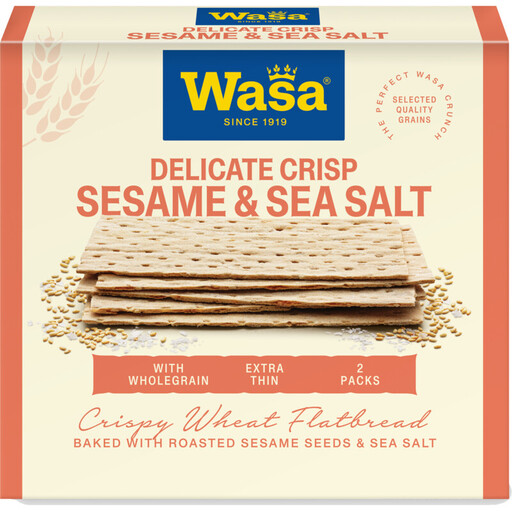 Image unavailable
Wasa Thin Crisp Sesame crispbread, 190 g
This thin sesame variety is an option for small bites where you want the toppings to remain visible.
Pack size: 190 g. Sesame requires an allergen check; also try the thin pieces with your planned toppings to see if they work.
View on Joybuy
 Image unavailable
Wasa Rustic crispbread, 215 g
This rustic variety is worth considering if you want a crispbread with a distinctive look alongside smaller, thinner bites.
Pack size: 215 g. The name doesn’t confirm that it’s sourdough; check the ingredients and allergens on the label, and try it with your toppings.
View on Joybuy
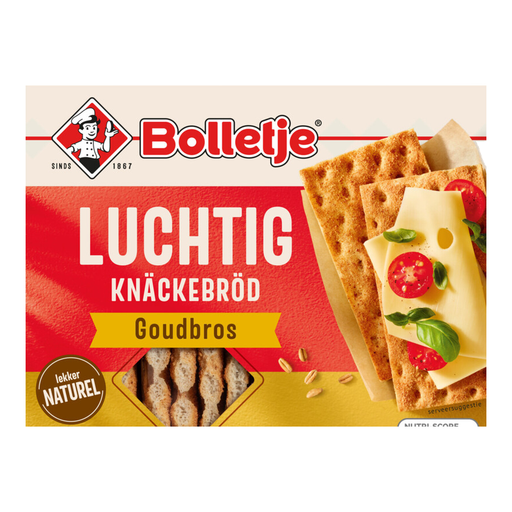 Image unavailable
Bolletje Light Crispbread Golden Crisp, 240 g
Worth considering if you want a lighter crispbread as a base for small bites.
Pack size: 240 g. Try it with your toppings to see if the pieces are sturdy enough, and check the allergens on the packaging.
View on Joybuy
 Image unavailable
Bolletje Whole Grain crispbread, 265 g
This wholegrain variety is one to compare if you’re looking for a simple base for toppings.
Pack size: 265 g. Wholegrain doesn’t mean gluten-free; read the ingredients and allergens on the packaging before serving it to guests.
View on Joybuy
Frequently asked questions
How do I choose crispbread for party bites?
Start with the toppings and the role of the crispbread: a thin base for small, light bites, or a rye, sourdough or seeded variety that stands out more on its own. The word ‘premium’ won’t tell you how a specific variety tastes, what ingredients it contains or how sturdy it is with your toppings.
Should I check allergens even for different varieties from the same brand?
Yes, check each pack individually. According to the Netherlands Food and Consumer Product Safety Authority, certain allergens must be labelled, including gluten-containing cereals and sesame. Ingredients and any warnings can vary between varieties.
Does Dutch crispbread always contain iodine because it’s made with baker’s salt?
No, you can’t assume that all crispbread is made with iodised baker’s salt. According to the Netherlands Nutrition Centre, bakers aren’t required to use baker’s salt. If you have a specific question about iodine, check the ingredients list or ask the baker which salt was used.
How much crispbread should I buy for a sharing platter?
Decide how many topped pieces you want to serve, then compare the pack weights of the varieties you’ve chosen. Check availability before planning your menu around one specific flavour or dietary variety.
How should I store crispbread until it’s time to serve?
Follow the storage instructions on the packaging for your chosen variety, and only put out as much as you want to serve at that time. The Netherlands Food and Consumer Product Safety Authority states that any special storage instructions and conditions of use, where applicable, should be shown on the label.


