
If you want to serve a wholegrain option
You want to offer a wholegrain base as well as toppings. Check the label on the pack and compare fibre per 100 g, rather than relying on the colour.


For a mixed group, serve a clearly labelled wholegrain option alongside a lighter, golden crispbread. That way, guests can choose according to their taste and preferred texture, without mistaking golden crispbread for wholegrain. Before buying, compare the ingredients, nutritional information and allergens on both packs.
You want to offer a wholegrain base as well as toppings. Check the label on the pack and compare fibre per 100 g, rather than relying on the colour.
You expect that not everyone will want a hearty rye option. Serving a light crispbread separately gives guests another texture to choose from.
You want to be able to check which options contain ingredients such as rye, wheat or sesame before serving. Keep the packs by the platter so guests can read the current information.
First decide which two textures you want to offer. Then check the grain base, nutritional information, allergens and quantity on each pack to make sure you have enough for your guests.
| What to consider | What to check when buying | Who it matters to |
|---|---|---|
| Wholegrain and fibre | Check for a wholegrain label, the grain ingredients and fibre per 100 g. According to Albert Heijn, AH Wholegrain Crispbread contains 12 g of fibre per 100 g. | If I want to serve a wholegrain base too, I want to be able to identify it without relying on a brown colour. Around 50% of consumers prioritise a wholegrain and fibre option. |
| Light texture | Read the texture description and ingredients list. Albert Heijn describes AH Golden Crispbread as light and crisp; its base is made with wheat flour. | For guests who aren’t keen on a hearty rye bite, I look for a crisp alternative that lets the topping take centre stage. This light texture is a priority for around 30% of consumers. |
| Serving and information | Compare the quantity in each pack and the allergen information. Keep the two types separate and have the labels to hand. | When I put several types on the table, I want guests to be able to tell them apart and check the label for themselves. Practical information for guests and variety are the top priorities for around 20% of consumers. |
A brown colour doesn’t tell you which type of flour has been used. According to Albert Heijn, AH Golden Crispbread contains wheat flour and 3.8 g of fibre per 100 g, compared with 12 g per 100 g for AH Wholegrain Crispbread.
Look for a wholegrain label on the pack and compare the ingredients and fibre on the same basis: per 100 g.
The wholegrain and golden varieties described contain gluten-containing cereals; some varieties also list sesame or a warning about the possible presence of other allergens.
Serve the types separately and keep the packs available so guests can check the allergens for the product they choose.
Toppings also contribute to the salt in a finished snack. So comparing two types of crispbread won’t tell you everything about what you’ll ultimately be serving.
If it matters to your choice, check the salt per 100 g on the packs of both the crispbread and the toppings.
Moist toppings can change the crisp texture while the snacks are waiting to be served.
Keep opened crispbread in a dry, airtight container. It’s better to top smaller quantities shortly before serving.
Wasa offers wholegrain and golden varieties, among others. If you’re looking for a distinctly rye-based option, Wasa Wholegrain is a useful point of comparison.
AH Wholegrain Crispbread and AH Golden Crispbread offer two different grain bases within the same own-brand range.
Jumbo Wholegrain Crispbread is a wheat and rye variety to consider if you’re looking for a wholegrain base for your platter.
Under this own brand, ALDI describes a wholegrain crispbread and a robust variety with seeds.
On its international brand page, Ryvita distinguishes between crispbread, thins and crackerbread. These product ranges aren’t all the same type of crispbread.
These products include wholegrain crispbread, a separate fibre-focused cracker and a light golden variety. For a platter with two textures, you can serve a wholegrain option alongside the golden one. Check the ingredients and allergens on each product’s packaging.
 Image unavailable
A rye-based wholegrain option for the heartier side of the platter. The pack contains 260 g; check the label for allergens and how many pieces you’d like to serve.
 Image unavailable
A rye and sourdough option if you want to offer a different grain base alongside a lighter choice. The pack contains 235 g; check the label for allergens and how much you’ll need for your platter.
 Image unavailable
A wholegrain option for guests who prefer this type of grain base. The pack contains 265 g; check the ingredients, allergens and number of pieces on the label before serving.
 Image unavailable
A cracker to compare separately with the crispbread options if fibre is your main consideration. The pack contains 300 g; use the nutritional information and ingredients list to assess the grain base.
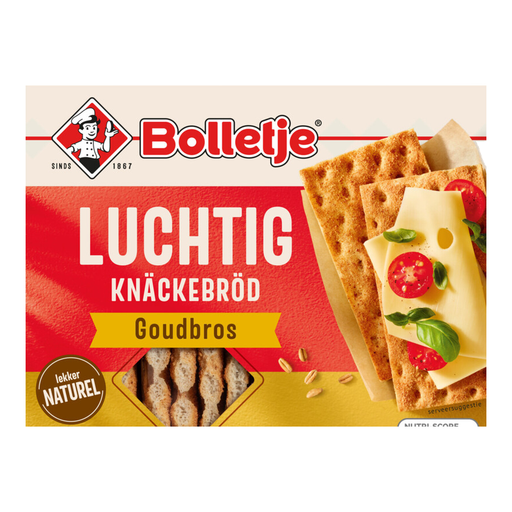 Image unavailable
A light, golden alternative for guests who’d prefer a different texture from hearty wholegrain crispbread. The pack contains 240 g; check the ingredients and allergens rather than assuming the colour means it’s wholegrain.
Not necessarily. According to the Netherlands Nutrition Centre, the term ‘wholegrain’ refers to the flour used, not the colour. Albert Heijn lists wheat flour for AH Golden Crispbread and wholegrain wheat and rye flour for AH Wholegrain Crispbread, so compare the specific packs.
Don’t assume they’re suitable: Wasa Wholegrain and the wholegrain and golden varieties from Albert Heijn mentioned here contain gluten-containing cereals. Check the current allergen information on each pack you choose and keep it by the platter.
No. The rules on baker’s salt don’t mean that all crispbread contains iodine. The Netherlands Food and Consumer Product Safety Authority explains the conditions under which iodine compounds may be present in bread, bread substitutes and other bakery products. Check the ingredients for the specific product if this matters to your choice.
Store it in a dry place and seal an opened pack well. Albert Heijn recommends keeping the varieties mentioned in a closed tin once opened. It’s best to add moist toppings shortly before serving.