
Colleagues looking for a less sweet option
They want something crunchy for a snack or to eat with toppings, and compare factors such as ingredients, fibre, sugars and salt per 100 g.


Choose wholegrain crispbread if you want the tin to offer a less sweet base for toppings; choose digestive biscuits if you’re after a sweet biscuit to enjoy with your coffee. Store both in a dry, sealed container, bear gluten and other allergens in mind, and check the ingredients list of your chosen product if baker’s salt is an important factor in your choice.
They want something crunchy for a snack or to eat with toppings, and compare factors such as ingredients, fibre, sugars and salt per 100 g.
They want to store and share crackers and biscuits while keeping the original ingredient and allergen information available.
They need a product explicitly labelled gluten-free, kept separate from crumbs from ordinary crackers and biscuits.
Choose it when: You want the tin to offer a less sweet cracker that can also be used as a base for toppings.
Bear in mind: Toppings need to be available separately. Also check which gluten-containing cereals and other allergens the product contains.
Choose it when: You want a ready-to-eat sweet biscuit to enjoy with your coffee.
Bear in mind: A digestive doesn’t serve the same purpose as crispbread with toppings. Compare the nutrition information and allergens for the biscuit you choose.
| What to consider | What to check when buying | Who should consider this? |
|---|---|---|
| Less sweetness and fibre | Compare the wholegrain label and the amounts of fibre and sugars per 100 g. | If you’re looking for a cracker to eat with toppings, you won’t want to accidentally choose a sweet biscuit. For around 31% of consumers, a less sweet option is the priority. |
| Keeping it crunchy | Read the storage instructions and check whether the packaging reseals securely or will fit in a dry, airtight tin. | If the contents will be shared over several days, I want the crackers and biscuits to stay crunchy. This is the main priority for around 31% of consumers. |
| Gluten and allergens | Check the current ingredients and allergen information. If you need a gluten-free option, look for an explicit gluten-free label. | With a shared tin, I want to be able to check what I can safely eat, without it being mixed with other crumbs. Allergens are the main concern for around 23% of consumers. |
| Sweet biscuit | Check that it’s a digestive biscuit and compare the sugars, fats and portion size on the packaging. | For a coffee break without toppings, I’m looking for a ready-to-eat sweet biscuit. This is the deciding factor for around 15% of consumers. |
A digestive is a sweet biscuit, while crispbread can also be used as a base for toppings. According to Albert Heijn’s product information, AH Digestive contains 16 g of added sugars per 100 g; Wasa Volkoren lists 20 g of fibre per 100 g.
Decide whether the tin is for biscuits, crackers with toppings, or both in separate compartments.
The rye and multigrain products reviewed contain gluten-containing cereals; other allergens vary from product to product.
For a gluten-free option, check the current packaging and keep the product separate from crumbs in the shared tin.
According to the Voedingscentrum, using iodised baker’s salt in bread is not compulsory. So the mention of salt in an ingredients list doesn’t tell you whether baker’s salt was used in the crispbread you’ve chosen.
Read the ingredients list for the specific product if this distinction matters to you.
An airtight tin helps with storage, but the original packaging also lists the ingredients, allergens and best-before information.
Keep the packaging with your supplies and top up a clean, dry tin in manageable quantities.
Its range includes wholegrain rye crispbread, as shown by Albert Heijn.
Its range includes both own-brand crispbread and digestive biscuits: two different options for the tin.
Bolletje Oerknäck robuust volkoren is a crispbread made with ingredients including seeds and spelt flakes.
Its range includes a crispbread with poppy seeds and sesame for anyone looking to compare the nutritional information of different crackers.
Schär Digestive Landtaler is a separate biscuit option, not crispbread.
These products include crispbread for a less sweet base and a digestive biscuit for a sweet treat. First decide what you want the tin to offer, then check the packaging and allergen information for each product.
 Image unavailable
An option if you want to offer crackers as a base for toppings. Compare the nutritional information on the packaging and check the allergens before adding them to a shared tin.
 Image unavailable
For a tin of crackers to enjoy with toppings. Carefully read the allergen declaration on the current packaging before sharing.
 Image unavailable
A crispbread option if you want your office supplies to be mainly crackers for toppings. Check the packaging for allergens and portioning if separate servings are important.
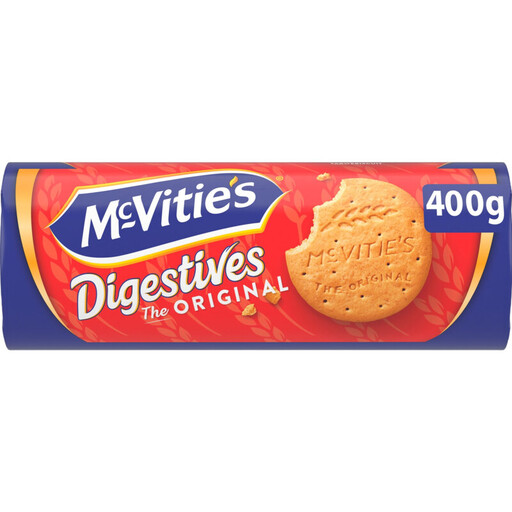 Image unavailable
For a tin intended for a sweet biscuit with your coffee break, without toppings. Compare the nutritional information per 100 g and check the allergens on the packaging.
 Image unavailable
For anyone looking for a wholegrain rye cracker as a base for toppings. Check the current packaging for allergens and, if fibre is a deciding factor, the nutritional information per 100 g.
No. Crispbread is a cracker that can also be used as a base for toppings; a digestive is a sweet biscuit. First decide which of the two you want for the office biscuit tin, then compare the nutritional information for the products you’re considering.
Store them in a dry place and make sure the tin is properly sealed. Albert Heijn’s product information recommends storing AH Digestive in a closed tin after opening. Storage advice can vary by product, so check the packaging for the one you choose too.
Not unless the current packaging explicitly labels it gluten-free. The standard products reviewed that contain rye, wheat, barley or spelt contain gluten-containing cereals. Keep any gluten-free product you choose separate from their crumbs too.
No, don’t assume that based on the product category. The Voedingscentrum says that using baker’s salt in bread isn’t compulsory. Check the current ingredients list for the crispbread you choose rather than assuming it contains a particular amount of iodine.