
Caterers comparing sugar content
If you’re buying crispbread as a conference snack, you can compare the sugar content per 100 g with the ingredients list. This helps avoid confusing a ‘low carb’ claim with a statement about sugar content.


Compare crispbreads for conference catering by their sugar, fibre and salt content per 100 g, rather than relying on terms such as ‘low carb’ or ‘high in fibre’. Plain rye or wholegrain varieties can make a straightforward base for toppings; seeded and protein varieties warrant a closer look at their additional ingredients and allergens. If you’re serving crispbread unpackaged, make sure guests can find out which allergens are present before choosing.
If you’re buying crispbread as a conference snack, you can compare the sugar content per 100 g with the ingredients list. This helps avoid confusing a ‘low carb’ claim with a statement about sugar content.
When food is presented openly, it should be clear which allergens are in the crispbread and the toppings. Depending on the product, these may include cereals containing gluten, sesame or soya. Check each pack you choose individually.
As well as sugar, fibre, protein, salt and the portion actually served can all influence your choice. The Netherlands Nutrition Centre recommends comparing products using figures per 100 g; a claim on the front of the pack is no substitute for that comparison.
Start by comparing the sugar content of similar types of crispbread. Then look at the rest of the nutritional profile and decide how you’ll make allergen information available at the buffet for your chosen product and toppings.
| What to consider | What to check when buying | Who it matters to |
|---|---|---|
| Sugars | Compare ‘of which sugars’ per 100 g and also read the ingredients list. | If I want to limit the sugar content of the buffet selection, I need comparable figures from the labels. For around 42% of consumers, comparing sugar content comes first. |
| Allergens and serving | Check the allergens in both the crispbread and toppings, and make the information available before guests choose unpackaged food. | At an open buffet, I want to be able to tell guests what each combination contains. Around 33% of consumers prioritise allergen information and how food is served. |
| Nutritional profile | Compare fibre, protein and salt per 100 g, and consider how much crispbread you’ll serve. | I don’t want to rely on sugar content or a claim alone when putting together a portion. Around 25% of consumers prioritise this broader nutritional profile. |
Carbohydrates and sugars are listed separately on the label. A low-carb claim doesn’t tell you which comparable crispbread has the lowest sugar content.
Compare the ‘of which sugars’ figure per 100 g and also check the ingredients list.
A fibre claim doesn’t tell you how much fibre a guest will get from the portion you serve. The Dutch Consumers’ Association also points out that a product carrying a fibre claim may still contain a lot of sugar.
Check the nutritional information for fibre, sugars and salt, and bear in mind the portion you’ll serve.
Toppings can also add allergens to the combination. According to the Netherlands Food and Consumer Product Safety Authority, guests in the Netherlands must be able to find out which allergens are present before choosing unpackaged food.
Make information available for the crispbread and toppings at each buffet station, and keep the current packaging to hand.
Preparing separate labels and keeping track of changes to products or toppings takes extra work during set-up and service.
The Netherlands Nutrition Centre describes iodised baker’s salt as a source of iodine in bread, but not all crispbread recipes use the same type of salt.
Check the ingredients on the exact pack before saying which salt has been used.
Its range in Dutch supermarkets includes wholegrain, sesame and protein varieties.
Its range in Dutch supermarkets includes a crispbread variety with poppy seeds and sesame.
The own-brand range includes wholegrain and seeded crispbread varieties.
Its products are found in Dutch supermarkets in light, wholegrain and protein varieties.
The supermarket range mentioned includes rye crispbread in plain, sourdough and seeded varieties.
Original Crispbread is a reference point for plain rye crispbread.
These Joybuy products are options in the rye, wholegrain and light crispbread categories for conference catering. Compare the current packs for sugar content, the rest of the nutritional profile, allergens and how you plan to serve the crispbread.
 No image available
A wholemeal option to consider as a base for toppings. Compare the sugar content per 100 g and check the allergens on the current pack; consider whether you need individual portions for serving.
 No image available
A wholegrain variety for serving crispbread with toppings. Compare its nutritional information with similar varieties and check the allergens and pack sizes before the buffet.
 No image available
An option if you also want to compare fibre content when choosing for the buffet. Alongside fibre per 100 g, check the sugar and salt content, allergens and the portion you plan to serve.
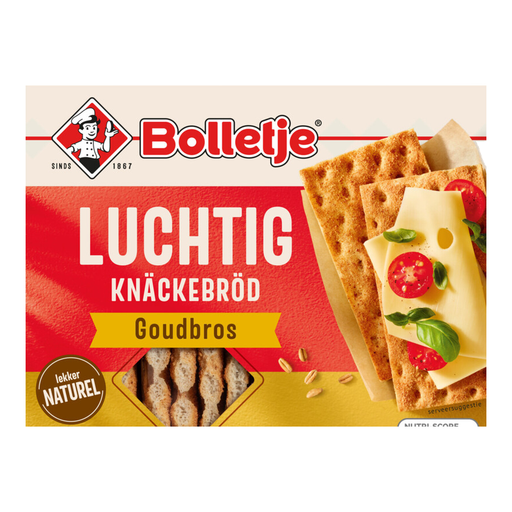 No image available
A light crispbread option if texture is a factor in your buffet selection. Compare sugar content and the rest of the nutritional profile on the label, and check how you can serve the crispbread without separating it from its allergen information.
 No image available
A rye crispbread option for a buffet with savoury toppings. Compare the sugar content per 100 g and, for a broader nutritional comparison, also check the fibre content, allergens and serving pack on the current label.
Compare the ‘of which sugars’ content of similar varieties per 100 g, rather than per cracker. Also read the ingredients list: the nutrition table shows the total sugar content, while the ingredients list can help you identify sources of added sugar.
No. ‘Low carb’ refers to carbohydrates and doesn’t, by itself, tell you how much sugar a product contains. Check the separate ‘of which sugars’ figure and compare it with other products on the same basis.
Make information about the allergens present available before guests choose an unpackaged product. According to the Netherlands Food and Consumer Product Safety Authority, you can provide this information in writing or verbally, as long as it’s clear that guests can ask for it. Include both the crispbread and the toppings.
No. Don’t assume that all crispbread uses the same type of salt. The Netherlands Nutrition Centre describes iodised baker’s salt in bread, but crispbread recipes vary. Check the ingredients on the exact pack before sharing information about this with guests.