What should you look for when choosing?
Start with any allergens you need to avoid. Then decide whether the crispbread will mainly be a base for toppings or a small snack with your coffee, and only then compare the nutritional information per serving.
| What to consider |
What to check when buying |
Who it matters to |
| Wholegrains and fibre |
Check the types of grain and compare the fibre content per 100 g and per serving. |
If I want to use crispbread for a light breakfast or as a base for my own toppings, the type of grain and serving size both matter. For around 40% of consumers, choosing wholegrain or fibre-rich options comes first. |
| Allergens and dietary requirements |
Read the ingredients, allergen information and any warnings on the current packaging. |
If I need to avoid certain ingredients, I first want to know whether this particular variety meets my requirements. This is the main priority for around 30% of consumers. |
| Small portions and convenience |
Compare the weight and nutritional information per piece, and check the storage instructions. |
With a cup of coffee, sometimes I just want something small that I can eat without any preparation. Around 30% of consumers say a simple, small portion is their top priority. |
Products to enjoy with coffee in your hotel room
These crisp crackers and crispbreads are options to consider as a snack with coffee or as a base for toppings you’ve brought with you. When choosing, check the specific variety, allergens and how much you plan to eat.
 Image unavailable
Wasa High-Fiber Crackers 300 g
An option if you’re looking for a cracker to enjoy with coffee that can also serve as a base for your own toppings.
300 g pack. The product information lists gluten-containing cereals and sesame. Check the current allergen information before choosing this product.
View at Joybuy
 Image unavailable
Bolletje Whole Grain Crispbread 265 g
A wholegrain crispbread to enjoy with coffee or pair with toppings you’ve brought with you.
265 g pack. The product information lists gluten-containing cereals and sesame. Also check for any warnings about other allergens.
View at Joybuy
 Image unavailable
Wasa Lightweight Crackers 300 g
A thin cracker for anyone who’d prefer a small portion with their coffee rather than a large slice with toppings.
300 g pack. The product information lists rye and milk and states that sesame may be present. Check the label if this is relevant to your choice.
View at Joybuy
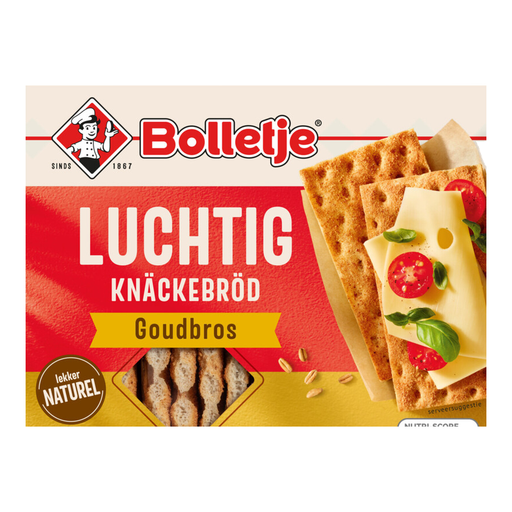 Image unavailable
Bolletje Light Crispbread Golden Crisp 240 g
A crispbread option for anyone who wants something crunchy with their coffee without having to prepare toppings first.
240 g pack. The product information lists wheat and sesame. If a small portion matters to you, compare the weight and nutritional information per piece.
View at Joybuy
 Image unavailable
Wasa Rustic Crispbread 215 g
A crispbread to enjoy with coffee or use as a base for toppings you’ve brought with you.
215 g pack. The product information lists rye. Check the allergen information and compare the nutritional details per slice if serving size matters to you.
View at Joybuy
Frequently asked questions
Is crispbread labelled ‘digestive’ automatically a good choice with coffee?
No. The label doesn’t tell you whether the crispbread suits your preferences. Compare the ingredients, fibre, salt and serving size of the specific product, and don’t assume the name means it has any effect on digestion.
What should I check if I need to avoid allergens?
Read the current ingredients list, allergen information and any ‘may contain’ warnings. Crispbread may contain gluten-containing cereals and sesame, among other ingredients. According to the Netherlands Nutrition Centre, the 14 allergens specified by law must be clearly listed.
Does all crispbread contain iodine because bakers’ salt is used?
No, you shouldn’t assume this applies to every product. The Netherlands Food and Consumer Product Safety Authority explains the rules on adding iodine through bakers’ salt, but these don’t confirm the iodine content of any individual crispbread product.
How should I store an opened pack in my hotel room?
Follow the storage instructions on the packaging and seal the opened pack properly. Jumbo’s product information for the Wasa and Bolletje varieties described here recommends storing them in a cool, dry place away from light.
Should I also check the salt content per serving?
Yes, especially if you’re having several slices or adding toppings. Compare the stated amount of salt per 100 g and, where available, per serving with the number of slices you plan to eat.


