What should you look for when choosing?
For a small household, what happens to an opened pack between coffee breaks matters most. So work out how much you’ll use first, then compare pack size, nutritional information and ingredients.
| What to consider |
What to check before buying |
Who it’s for |
| How much you have open |
Check the net weight and storage instructions. Make sure you can seal the pack properly once it’s open. |
If I only have something with my coffee now and then, I don’t want to leave a large pack open for a long time. For an estimated 42% of consumers, keeping stock to a manageable amount is the top priority. |
| Nutritional information |
Compare fibre and salt per 100 g, then think about how much crispbread and how many toppings you use. |
If I regularly use crispbread as a base for toppings, I want to be able to compare the nutritional values of different varieties. This comes first for around 33% of consumers. |
| Ready to eat and ingredients |
Check whether it’s a filled snack or a base for your own toppings, and read the ingredients and allergen information for the exact variety. |
For a no-prep coffee break, I want something I can eat straight away, but the ingredients also need to meet my requirements. This is the first consideration for an estimated 25% of consumers. |
Crispbread and crackers on Joybuy
These products come in a range of sizes for your afternoon coffee, from a filled snack to eat straight away to crispbread and crackers you can keep in stock. Choose based on how often you eat them and whether you want to add your own toppings.
 No image available
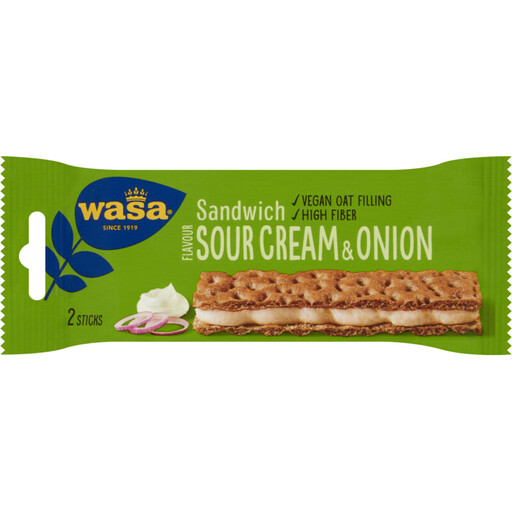
Wasa Sandwich Sour Cream & Onion, 99 g
For an occasional coffee break when you’d like a filled snack rather than crispbread with your own toppings.
Joybuy Netherlands describes this 99 g product as two crispbread slices with an oat-based filling and a sour cream and onion flavour. If you have allergies or dietary requirements, check the exact packaging.
View on Joybuy
 No image available
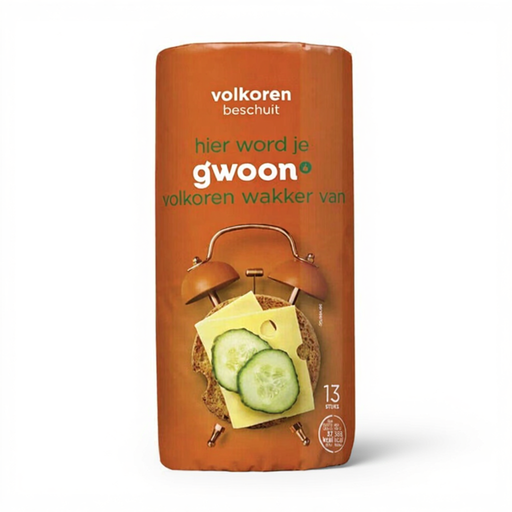
g'woon Wholegrain Crispbreads, 125 g
A 125 g pack of wholegrain crispbreads to consider if you want to choose your own toppings without opening a larger pack straight away.
If individual portions matter to you, check the packaging. If you have dietary requirements or allergies, read the latest ingredient information too.
View on Joybuy
 No image available
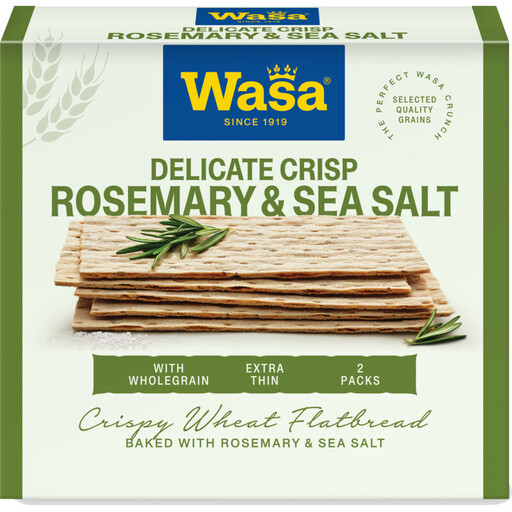
Wasa Thin Crisp Rosemary & Salt, 190 g
A 190 g seasoned cracker for anyone who’d prefer rosemary and salt with their coffee rather than a plain base.
If salt or fibre matters to you, compare the nutritional information per 100 g and check the ingredients in this variety.
View on Joybuy
 No image available
Wasa Rustic Crispbread, 215 g
A 215 g pack of crispbread to consider if you want to eat from the same supply several times and add your own toppings.
Check whether you can store the pack as directed once it’s open. Read the label if the type of grain, allergens or fibre will affect your choice.
View on Joybuy
 No image available
Wasa High-Fiber Crackers, 300 g
A 300 g pack for anyone who eats crackers regularly and wants to consider fibre when comparing products. If you only eat them occasionally, you’ll need to pay more attention to storage once the pack is open.
Joybuy Netherlands lists 26 g of fibre and 1.1 g of salt per 100 g for this variety. Compare the rest of the nutritional information and the ingredients on the current packaging too.
View on Joybuy
Frequently asked questions
Does a smaller pack of crispbread always prevent waste?
No. A smaller pack limits how much you open at once, but how well you store it after opening matters too. For example, Albert Heijn recommends keeping its wholegrain crispbread in a sealed tin once opened.
How do I compare fibre and salt in different packs?
Compare the values per 100 g. The Netherlands Nutrition Centre points out that serving sizes can vary. After comparing, think about how much crispbread and what toppings you have with your coffee.
Does Dutch crispbread always contain iodine?
No. Don’t assume a product contains iodine just because it belongs to this category. Under the Dutch Commodities Act Decree on the Addition of Micronutrients to Foodstuffs, in force since 14 November 2014, and the enforcement policy of the Netherlands Food and Consumer Product Safety Authority, iodine compounds may be present in bread, bread substitutes and other bakery products if baker’s salt has been added. You’ll need to check the exact variety to find out whether this applies to your crispbread.
Is rye or wholegrain crispbread automatically gluten-free?
No. Rye and wheat are gluten-containing cereals and feature in the crispbread varieties mentioned. If you follow a gluten-free diet, choose products based only on the current labelling for the exact product and check for any other relevant allergens too.


