
A small Christmas table with minimal leftovers
If you’re serving crispbread to a small group, compare the net weight and any individual portions. This helps you choose an amount that suits what you want to serve at dinner and use afterwards.


For a small Christmas dinner, don’t take ‘half loaf’ literally. Instead, compare the pack weight and, where stated, the number of pieces or servings. A compact pack means you’ll open less, while a larger pack gives you more flexibility for extra guests or toppings, provided you can store any leftovers properly. Check the ingredients and allergens for the specific variety you choose before serving it to your guests.
If you’re serving crispbread to a small group, compare the net weight and any individual portions. This helps you choose an amount that suits what you want to serve at dinner and use afterwards.
For a sharing platter, it makes a difference whether you want plain crispbread to top yourself or a ready-made sandwich variety. Open only what you need and store the rest in an airtight container; the Netherlands Nutrition Centre advises keeping opened crispbread in a dry, dark place.
Check the ingredients and allergens on the pack of the exact variety you’re serving. Products from the same brand can differ considerably: Jumbo, for example, lists wheat and gluten in Wasa Protein Wheat, while Albert Heijn also offers a separate Wasa variety labelled gluten-free and lactose-free.
First decide how much crispbread you want to put on the table. Then check whether the shape works with your toppings, and read the label if any guests need to avoid specific ingredients.
| What to consider | What to check | Who it matters to |
|---|---|---|
| Quantity | Compare the net weight and, where stated, the number of pieces or individual servings. | For a small table, I don’t want to open a lot of crispbread if I won’t need much after dinner. Minimising leftovers is the top priority for around 36% of consumers. |
| Toppings and storage | Choose between plain crispbread and a filled sandwich variety; also check how you can seal the pack afterwards. | If I’m putting out toppings, I want a shape that works well with them and stays crisp while being served. Around 29% of consumers give this combination top priority. |
| Allergens and dietary requirements | Read the current ingredients list, allergen information and any cross-contamination warning. | If a guest needs to avoid certain ingredients, I need to be able to check the exact variety before serving it. This is the top consideration for around 21% of consumers. |
| Nutrition information | Check the nutrition information and, if you’re interested in iodine, see whether the label mentions baker’s salt or added iodine. | When comparing products by their nutrition information, I don’t want to assume what’s in them based on the word ‘crispbread’. For around 14% of consumers, label information is the first thing they consider. |
That term isn’t much help when comparing crispbread packs in the Dutch supermarket ranges at Albert Heijn and Jumbo. A name that suggests a light variety won’t tell you how much is in the pack, either.
Compare the net weight and, if you’re planning servings, check whether the pack states the number of pieces.
Products from the same brand can contain different ingredients and allergens. According to Jumbo’s product information, Wasa Protein Wheat contains wheat and gluten and may contain soya, mustard and lupin.
Check the current label of the variety you’ve chosen for every guest with relevant dietary needs, even if you’ve bought another product from that brand before.
According to the Netherlands Nutrition Centre, bakers aren’t required to use baker’s salt. You can’t assume it’s present based on the product category.
Check the ingredients of the specific variety if information about baker’s salt is relevant to your choice.
An opened pack needs looking after if you want to use the crispbread later. The Netherlands Nutrition Centre advises storing crispbread in a dry, dark place and keeping it well sealed.
Put only the amount you need on the table and seal the rest straight away. Also follow the storage instructions on the pack.
Jumbo and Albert Heijn stock both plain crispbread varieties and sandwich varieties from the brand.
The own-label online range includes wholegrain, sesame and pumpkin seed varieties, among others.
Albert Heijn lists Leksands varieties with ingredients including sourdough, seeds and sea salt.
The Albert Heijn range includes several types of crispbread, including wholegrain and light varieties.
Albert Heijn lists TastyBasics crispbread in compact packs, including a 150 g variety.
These options range from plain crispbread for your own toppings to small crackers for dips and individually wrapped filled sandwiches. Before choosing, decide what role the product will play on your table: a filled sandwich won’t replace a neutral base for toppings.
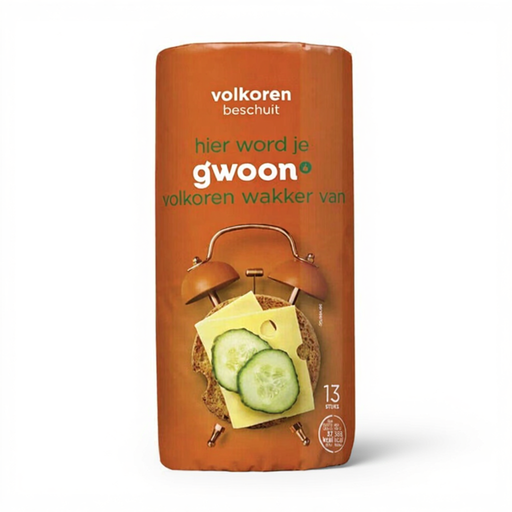 No image available
The 125 g pack is an option if you’re looking for a smaller amount of plain crispbread for a small group. Check the number of pieces and the ingredients on the pack if you’re planning portions or need to consider allergens.
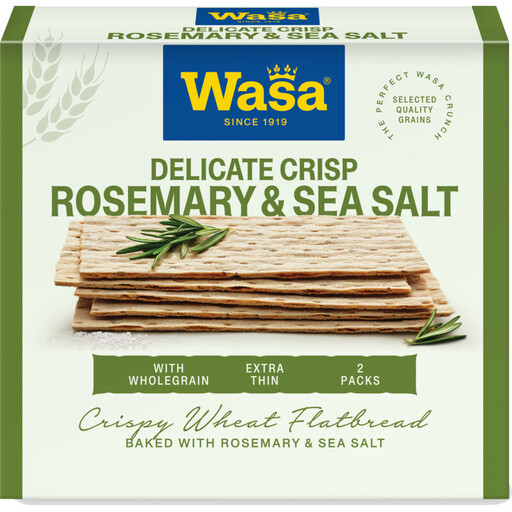 No image available
This 190 g pack is an option if you want to serve crispbread with a rosemary and salt flavour alongside your toppings. Consider whether the flavour will work with your toppings, and check the label for ingredients and allergens.
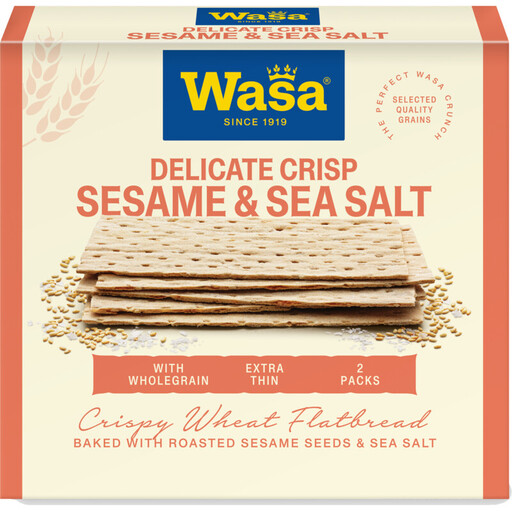 No image available
This 190 g sesame variety is a good fit for a table where you want the crispbread itself to add flavour. Check whether sesame works with the toppings you’ve planned, and read the label if allergens are a consideration.
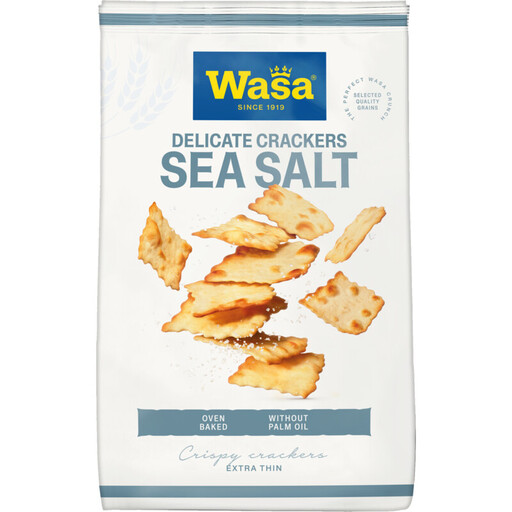 No image available
These 180 g crackers offer an alternative to traditional crispbread. Check whether their size works for the dips or toppings you want to serve, and look at the pack for serving and allergen information.
 No image available
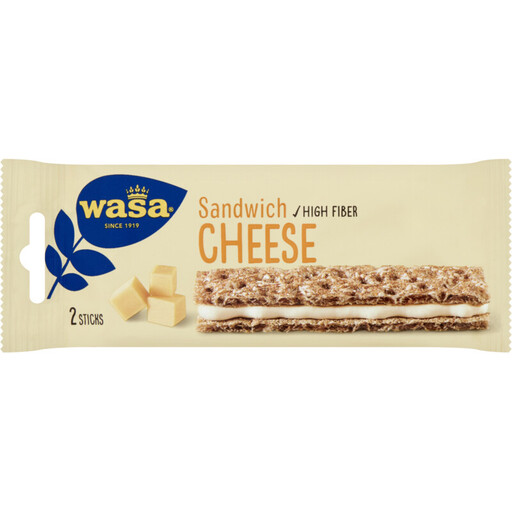
Three sandwiches weighing 31 g each make the portion size clear. With its cheese filling, this is a filled snack rather than crispbread to top with your own choice of ingredients; check the allergens on the label, too.
Don’t use that term to measure how much crispbread you’re buying: compare the net weight and, where stated, the number of pieces. Albert Heijn’s online range, for example, includes packs in various sizes, including 150 g and 375 g.
Store opened crispbread in a dry, dark place and keep it well sealed. The Netherlands Nutrition Centre recommends storing opened crispbread in a kitchen cupboard for up to one month; also follow the instructions on the pack and don’t use the product if it has gone mouldy.
No, you can’t tell from the word ‘crispbread’. According to the Netherlands Nutrition Centre, bakers aren’t required to use baker’s salt, so check the ingredients of the variety you’ve chosen if this is relevant to your product choice.
Check the current ingredients, allergen information and any cross-contamination warnings on the exact pack you plan to serve. According to the Netherlands Food and Consumer Product Safety Authority, allergens must be clearly listed on the labels of prepacked foods; the brand name alone isn’t a reliable check.