
Budget-conscious snacker
You like to keep crispbread handy for late-night cravings and think about how much of each pack you’ll actually use. So compare the quantities in different packs too.


If you’re looking for a budget-friendly late-night snack, a larger pack of crispbread can be a good choice if you eat it regularly and will use it all. Don’t let pack size be the only deciding factor: if wholegrain matters to you or you need to avoid certain ingredients, check the nutrition information and the current label too.
You like to keep crispbread handy for late-night cravings and think about how much of each pack you’ll actually use. So compare the quantities in different packs too.
You like to choose based on the type of grain and nutritional value. Check whether the crispbread is labelled wholegrain and compare the fibre content per 100 g.
You need to take certain grains, sesame or possible cross-contamination into account. Check the ingredients and allergen information on the current packaging.
First, work out how much crispbread you eat as a late-night snack. Then compare the grains used and check for any ingredients that matter to you.
| What to consider | What to check when buying | Who it matters to |
|---|---|---|
| Pack size | Compare the net weight and number of pieces with how often you eat crispbread. | If I often fancy something crunchy late at night, I look for a pack whose contents I’ll use. Around 50% of consumers prioritise finding a product that suits their own needs. |
| Wholegrain and fibre | Look for the wholegrain label and compare the stated fibre content per 100 g. | For a late-night snack, I mainly want to know which grains it contains and its nutritional value. Around 30% of consumers prioritise this product information. |
| Ingredients and allergens | Read the ingredients list and any warnings about possible cross-contamination on the pack. | If I need to avoid certain ingredients, I can’t rely on the product name alone. Around 20% of consumers give this check their highest priority. |
A dark colour or the name of a grain doesn’t mean the same thing as the wholegrain label. According to the Voedingscentrum, for crackers, wholegrain means that all the flour used is wholemeal flour.
Check the product description, then see which grains are listed in the ingredients.
Crispbread may contain gluten-containing grains or sesame. Some products also carry a warning that other allergens may be present.
If you need to avoid certain ingredients, check the current packaging. Don’t rely solely on the colour, brand name or online product title.
The Warenwetbesluit definition of baker’s salt doesn’t tell you which salt has been used in every individual crispbread product.
If the type of salt matters to you, check the product information on the pack or ask the manufacturer.
ALDI lists a Goud Gebakken wholegrain crispbread variety, with 25 pieces in a 375 g pack.
Jumbo lists its own wholegrain crispbread, with 5 × 5 pieces in a 375 g pack.
Wasa Wholegrain is a crispbread variety made with wholegrain rye.
Bolletje says its Wholegrain Crispbread is made with wholegrain wheat, rye and barley.
Ryvita offers an Original Crispbread made with rye, among other products.
Albert Heijn lists its own AH Wholegrain Crispbread.
Lidl has a Dutch product listing for crispbread.
This selection includes regular packs of crispbread and a pre-packed crispbread sandwich. Choose between them based on how you like to snack late in the evening, and check the pack size and ingredients for each product.
 Image unavailable
A pack of crispbread for anyone looking for a wholegrain option for a late-night snack. The pack contains 265 g; check the ingredients on the pack if you need to avoid certain grains or sesame.
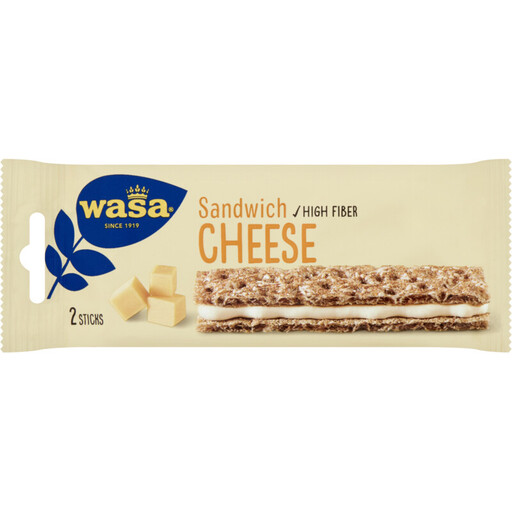 Image unavailable
A crispbread sandwich for anyone looking for an individually wrapped snack instead of a pack of regular crispbread. The pack contains three 31 g portions; check the ingredients and allergens on the pack.
 Image unavailable
A larger pack of crispbread for anyone who wants to enjoy the same pack over several late-night snacks. It contains 375 g; check the current ingredients list if the exact grains used matter to you.
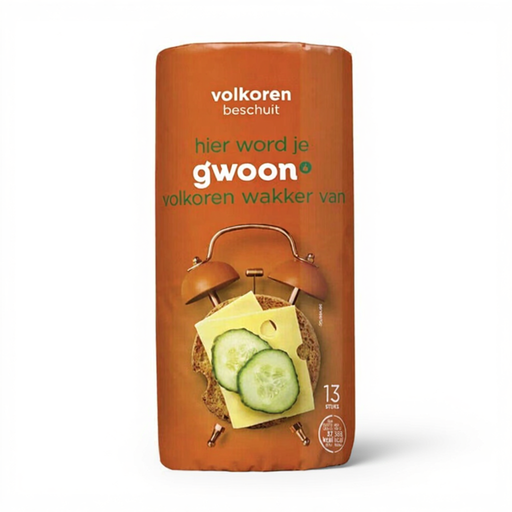 Image unavailable
A smaller pack of crispbread for anyone who prefers less in each pack. It contains 125 g; read the ingredients list and allergen information rather than relying on the wholegrain label alone.
Image unavailable
A pack of regular crispbread for anyone who likes to put together their own late-night snack. The pack contains 215 g; check the current ingredients and allergen information if you need to avoid specific grains or other ingredients.
Yes. According to the Voedingscentrum, for crackers, the wholegrain label means that all the flour used is wholemeal flour. A dark colour or the term multigrain doesn’t mean the same thing, so check the product description and ingredients list.
It depends on what you need to avoid: crispbread may contain rye, wheat, barley or sesame, among other ingredients. Bolletje lists these ingredients for its Wholegrain Crispbread; for each product, also check the current allergen information and any warning about possible cross-contamination.
Keep crispbread in a dry place and seal an opened pack well. The product listing for Wasa Wholegrain also recommends storing it somewhere dark; follow the instructions on the packaging of the product you buy.