
Hosts making plenty of bites
You want to top several pieces of crispbread for two people. Check the pack size and think about how many bites you actually want to serve.


If you’re making several topped bites for two, a larger pack is a practical place to start. If you want the toppings to take centre stage, a thin crispbread may be a better fit. A pronounced rye or seed variety gives the base more character of its own. Check the allergens for each variety, and don’t assume it contains iodised baker’s salt.
You want to top several pieces of crispbread for two people. Check the pack size and think about how many bites you actually want to serve.
You’re looking for a crisp base for toppings such as cheese, fish, spreads or vegetables. A thin variety could work well; check the ingredients if a guest needs to avoid certain ones.
You’re choosing for a guest with specific requirements around gluten, milk or other allergens. Check the packaging of the variety you choose; iodised baker’s salt isn’t a given either.
First, decide how many pieces you want to top and what role the crispbread should play alongside the toppings. Then check the packaging for ingredients and allergens.
| What to consider | What should you check? | Who is this important for? |
|---|---|---|
| Quantity | Check the pack weight and think about how many pieces you want to top. | If I’m making lots of small bites for two, I want to have enough crispbread to serve; this is the top priority for around 36% of consumers. |
| Texture and toppings | Choose between a thin base and a variety with a more pronounced rye, seed or sourdough texture. | With delicate toppings, I don’t want the crispbread to overpower them; for a heartier bite, I might prefer more crunch. This pairing with the toppings is the first consideration for around 29% of consumers. |
| Ingredients and allergens | Read the current ingredients and allergen information for the exact variety. | If a guest needs to avoid certain ingredients, I don’t want to rely on the product name; checking this is the top priority for around 21% of consumers. |
| Availability | Check whether your chosen variety is in store or available to order online. | If I’m having dinner today, I want to know where I can get the product. Immediate availability matters most to around 14% of consumers. |
The pack weight doesn’t tell you how many pieces you’ll need for the bites you have planned, or whether the texture will work with your toppings.
Think about how many pieces you want to serve, then check the pack size and type of crispbread.
Albert Heijn lists milk and rye for Wasa Lichtgewicht; Wasa Protein+ contains wheat and gluten. Texture and nutritional information are no substitute for checking allergens.
Check the current packaging for every guest, including any warnings about possible cross-contamination.
According to the Netherlands Nutrition Centre, bakers aren’t required to use baker’s salt. The product category alone won’t tell you whether your chosen crispbread contains it.
Check the ingredients list or ask the manufacturer if this matters to your choice.
ALDI directs customers to its stores for the Robuust variety covered in the research; a product page won’t necessarily tell you what’s available at your local store today.
Check your chosen store or the product page before planning dinner around one variety.
The AH range includes wholemeal crispbread, as well as varieties with sesame or seeds.
ALDI describes Robuust crispbread as wholemeal crispbread with seeds.
The varieties covered in the research range from thin crispbread to products with a different nutritional profile.
Punt zuurdesem is a triangular rye variety for anyone who values its shape and distinctive base.
Dark Rye is a rye crispbread listed by a specialist British food shop among the products covered in the research.
These products offer a range of crispbread bases for topped bites, from wholemeal varieties to a thin sesame option. Compare the pack sizes and check the packaging if ingredients or allergens will influence your choice.
 No image available
A wholemeal crispbread option if you’re planning several topped pieces for two. The pack contains 375 g.
If you have allergies, check the current packaging for allergens, including cereals containing gluten, sesame, egg, milk and lupin.
No image available
A wholemeal base to consider for topped bites. The pack contains 265 g.
Check the current packaging for cereals containing gluten and sesame; lupin may also be present.
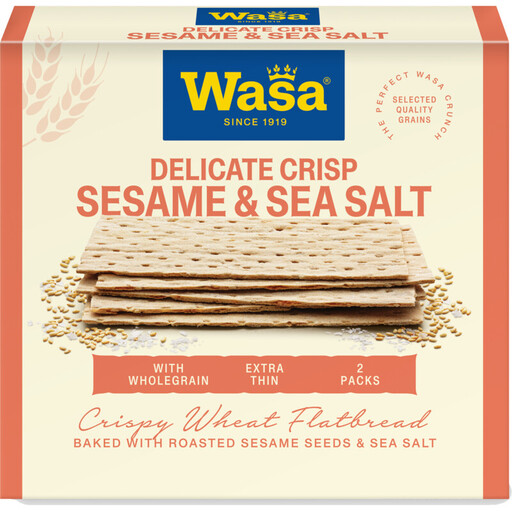 No image available
A thin sesame variety if you want the crispbread’s texture to be part of the sharing platter. The pack contains 190 g.
The sesame flavour is pronounced. Check the current packaging for gluten and sesame; milk may also be present.
 No image available
A rye variety to consider if you’re after a savoury base for topped bites. The pack contains 215 g.
Contains gluten from rye; check the current packaging for possible traces of milk and sesame too.
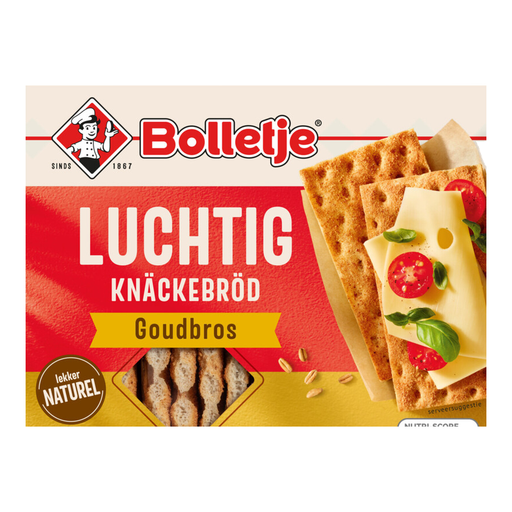 No image available
A crispbread option to consider if you want a light base for your toppings. The pack contains 240 g.
Check the current packaging for wheat and sesame; other cereals containing gluten and lupin may also be present.
No, you can’t tell from the product category alone. The Netherlands Nutrition Centre says bakers aren’t required to use baker’s salt; check the ingredients list or ask the manufacturer if this matters to your choice.
Choose a product whose current packaging explicitly says it is gluten-free. Also check how you prepare and serve the toppings to avoid cross-contamination; don’t assume a standard rye or wheat variety is suitable.
Check the current packaging of the exact product you’re serving. Albert Heijn lists milk and rye for Wasa Lichtgewicht, wheat and gluten for Wasa Protein+, and rye, wheat, barley and gluten for Leksands Punt zuurdesem.
Store it in a dry place as directed on the packaging, and add the toppings shortly before serving. This keeps the time between topping and eating to a minimum.
Check whether your chosen variety is available on the day. Some of the products covered in the research are listed as in-store items; an older product page doesn’t confirm what your local shop has today.