Who is this choice relevant to?

Breakfast eaters looking for wholegrain options

You want to be able to tell at a glance whether your crispbread is wholegrain, even when you’re in a hurry. Check the description on the pack rather than relying on a brown colour or visible grains. The Netherlands Nutrition Centre also discusses wholegrain options for products such as crackers.

Shoppers stocking up for the working week

You’re looking at the pack size, number of pieces and a texture that works with your usual toppings. Product pages from Albert Heijn, Jumbo and ALDI show that crispbread is available in a range of pack sizes and varieties.

Shoppers with questions about ingredients

You might want to check the grains, gluten, sesame or added salt in each variety. If you often replace ordinary bread with crispbread, don’t assume it’s made with iodised baker’s salt. The Netherlands Nutrition Centre says that using baker’s salt is not compulsory.

What should you look for when choosing?

First, decide which feature matters most for your breakfast. Then compare only the products that meet that requirement, looking at pack size, texture and the information on the label.

What to consider What to check Who is this most important for?
Wholegrain and fibre Look for the word ‘wholegrain’ and compare the fibre per 100 g in the nutrition table. If I’m looking for wholegrain crispbread for breakfast, I don’t judge it by its colour. For around 40% of consumers, this combination of wholegrain and fibre comes first.
Size and pack contents Check the weight, number of pieces and description of the texture; ‘medium sliced’ doesn’t indicate a standard size. For my weekly shop, I want pieces that work with my toppings and a pack size that suits how I use them. Around 30% of consumers put this practical consideration first.
Ingredients and salt Read the allergen statement and compare the salt per 100 g; if you have questions about iodine, check which salt is listed on the label. If I need to avoid certain ingredients or replace a lot of ordinary bread, I want to know exactly what’s in this particular variety. This is the most important check for around 30% of consumers.

Common mistakes

  • Assuming brown crispbread or visible seeds means it’s wholegrain

    A dark colour or visible seeds won’t tell you whether crispbread is wholegrain. The Netherlands Nutrition Centre explains that, for grain products such as crackers, the term ‘wholegrain’ relates to the flour used.

    Check the product description, then compare the fibre per 100 g of the varieties you’re considering.

  • Taking ‘medium sliced’ to mean a standard thickness

    Dutch product ranges use a variety of descriptions, such as light, robust and golden brown. ‘Medium sliced’ therefore doesn’t give you a reliable indication of the size or texture of the pieces.

    Check the product description, number of pieces and weight. Think about whether a light or firmer texture would work better with your toppings.

  • Assuming the salt is iodised

    The Netherlands Nutrition Centre says that baker’s salt is not compulsory. You can’t tell which salt has been used in a particular crispbread just from the product category.

    If this matters to you, check the ingredients list for baker’s salt or iodised salt.

  • Assuming allergens are the same across products

    Recipes vary, even within the same category. Albert Heijn’s product information lists rye and gluten for Wasa Wholegrain; the Bolletje variety described has a different composition and lists sesame, among other ingredients.

    Always check the current ingredients and allergen information on the pack of the variety you choose.

Brands to consider

Wasa (Wasabröd)

Worth considering if you’re looking for rye crispbread; Albert Heijn’s product information describes Wasa Wholegrain as a 260 g pack.

  • That specific variety lists 100% wholegrain rye, three ingredients and 20 g of fibre per 100 g.
  • It contains rye and gluten. Check the allergen information for the variety you buy; these details don’t automatically apply to the whole brand.

Ryvita

A brand whose UK website features products including Original and Multigrain crispbread.

  • According to Ryvita’s own product information, Original contains 88 g and Multigrain 75 g of wholegrain rye flour per 100 g of product.
  • If you’re buying in the Netherlands, check the information on the pack available to you; the product details mentioned here come from UK brand pages.

Albert Heijn

The supermarket stocks both its own AH-brand crispbread and varieties from other brands.

  • The range includes wholegrain options and varieties with sunflower or pumpkin seeds.
  • Check each pack for the ingredients, nutritional values and allergens that apply to that variety.

Jumbo

The supermarket stocks its own-brand crispbread alongside other brands.

  • The category page lists Jumbo Wholegrain and Golden Brown Crispbread in 375 g packs, as well as seeded varieties in 265 g packs.
  • Check the information for each individual product to compare ingredients, nutritional values and allergens.

Goud Gebakken (ALDI)

An ALDI own-brand range with different types of crispbread.

  • ALDI lists Goud Gebakken Wholegrain Crispbread in a pack of 25 pieces, weighing 375 g.
  • Check the label of the variety you choose for ingredients and allergens.

Lidl

The product page lists crispbread with sunflower seeds or pumpkin seeds in a 264 g pack.

  • The two seeded varieties offer a clear choice of ingredients.
  • Check the pack for full nutritional information and allergen details for the variety you choose.

Crispbread for different breakfast preferences

These Joybuy products are worth comparing if you’re looking for wholegrain crispbread for breakfast before work, a light texture or rye crispbread to top. Check the pack and nutritional information for each variety; this selection doesn’t define a standard size for ‘medium sliced’.

Bolletje wholegrain crispbread, 265 g

Bolletje wholegrain crispbread, 265 g

An option if you’re looking for wholegrain crispbread for breakfast. Check the latest information for this variety about cereals containing gluten, sesame and possible lupin.

View on Joybuy
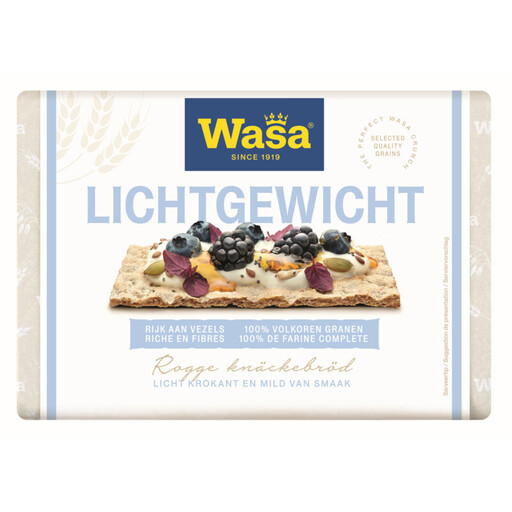
Wasa Lightweight Crackers, 300 g

Wasa Lightweight Crackers, 300 g

An option if you’re looking for a thin, crisp base for toppings. ‘Thin’ doesn’t indicate an exact size; also check the latest allergen information if rye, milk ingredients or sesame are relevant to you.

View on Joybuy

Wasa Wholegrain crispbread, 260 g

Wasa Wholegrain crispbread, 260 g

An option if you want wholegrain rye crispbread as a base for breakfast. Compare the nutritional information per 100 g and read the latest allergen statement if rye, gluten, sesame or milk are relevant to you.

View on Joybuy
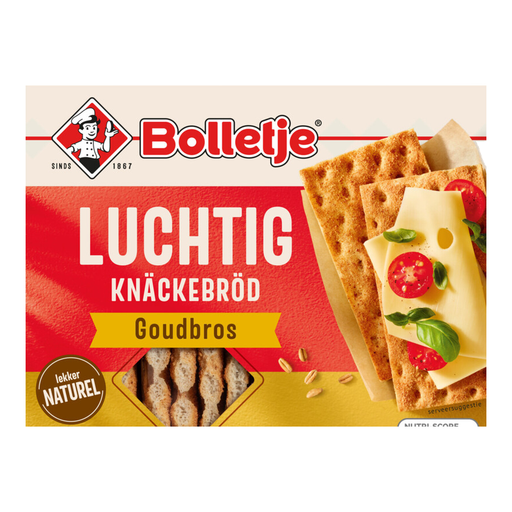
Bolletje Light Golden Crisp crispbread, 240 g

Bolletje Light Golden Crisp crispbread, 240 g

An option if you prefer a light, crisp texture at breakfast. Don’t assume ‘Light’ or the colour means it’s wholegrain; check the product description and allergen information.

View on Joybuy

Wasa Rustic crispbread, 215 g

Wasa Rustic crispbread, 215 g

An option if you’re looking for rye crispbread to top and prefer a robust texture. Check the product information for details of the size, and the latest pack for allergen information, including rye and gluten.

View on Joybuy

Frequently asked questions

What does ‘medium sliced’ mean on crispbread?

Don’t treat ‘medium sliced’ as a standard size for crispbread in the Netherlands. Dutch product descriptions use a range of terms for texture and type, so check the information and images for the specific product if size matters to you.

How can I tell if crispbread is wholegrain?

Look for the word ‘wholegrain’ on the pack, rather than relying on the colour or visible grains. The Netherlands Nutrition Centre says that, for grain products such as crackers, this description is linked to the use of wholemeal flour. To compare fibre content, check the nutritional information per 100 g.

Is rye crispbread gluten-free?

Don’t assume it is: Albert Heijn’s product information lists rye and gluten for Wasa Wholegrain. For any other variety, always read its own up-to-date allergen statement rather than relying on the information for a similar product.

Does crispbread automatically contain iodine from baker’s salt?

No, you can’t tell from the type of product alone. The Netherlands Nutrition Centre says that using baker’s salt is not compulsory. Check the ingredients list to see which salt is used in the variety you choose.

How should I store an opened pack of crispbread?

Follow the storage instructions on the pack of your product. For the Bolletje variety described, Albert Heijn’s product information recommends storing it in a dry, dark, sealed place; don’t assume the same advice applies to every other variety.
