
The everyday breakfast eater
You want a pack of crispbread for mornings when you’re short on time. The pack size and number of slices help you work out whether it suits how often you eat it.


For a quick breakfast you eat regularly, plain wholemeal crispbread is a sensible place to start, provided you can use up the pack. Compare the pack weight and number of slices, and check the label for fibre, salt and allergens. A filled, individually wrapped portion takes less preparation when you’re on the go, but it isn’t a substitute for a plain base you can top yourself.
You want a pack of crispbread for mornings when you’re short on time. The pack size and number of slices help you work out whether it suits how often you eat it.
You want crispbread that’s quick to top, but you also want to compare the type of grain and fibre per 100 g. The information on the front of the pack alone doesn’t give you the full picture.
You need to check whether the ingredients and allergens are suitable for your diet. In particular, the current gluten labelling and allergen information matter more than the pack size.
Start with the factor that matters most for your breakfast. Then compare the packaging, nutritional information and how you’ll use the remaining options.
| What to consider | What to check when buying | Who is it most important for? |
|---|---|---|
| A pack for regular use | Check the weight, number of slices and storage instructions after opening. | If you eat crispbread on lots of mornings, you’ll want a pack that suits your routine and that you can use up. Around 36% of consumers rank pack size as their top priority. |
| Wholegrains and fibre | Read the grain ingredients and compare the fibre per 100 g. Also think about how much you usually eat. | If wholegrains need to be the basis of my breakfast, I don’t want to rely on the front of the pack alone. Around 29% of consumers prioritise wholegrains and fibre. |
| How you’ll eat it in the morning | Decide whether you want to top individual slices yourself or take a filled portion with you. | If I want to eat as soon as I’ve left home, the amount of preparation makes a difference. Around 21% of consumers put convenience first. |
| Ingredients and allergens | Read the current allergen information and, if you need a gluten-free option, look for an explicit gluten-free label. | If you need to avoid certain ingredients, you first need to establish whether the product is suitable. Suitability is the top priority for around 14% of consumers. |
A pack with lots of slices won’t automatically suit your breakfast if you only eat crispbread occasionally. How you store the pack after opening matters too.
Check the number of slices and the storage instructions. Choose a pack size that suits how often you eat crispbread.
Wholemeal describes the grain used; it doesn’t mean that a product is free from gluten. Crispbread made with wholemeal wheat or rye isn’t automatically suitable for someone who needs to eat gluten-free.
Look for an explicit gluten-free label and check the current ingredients and allergen information every time.
According to the Netherlands Nutrition Centre, bakers aren’t required to use baker’s salt. So you can’t tell from the word ‘crispbread’ whether a specific product contains iodised salt.
If this matters for your diet, check the label to see whether iodised salt or baker’s salt is listed in the ingredients.
Nutritional information varies even within the crispbread category. Albert Heijn lists 12 g of fibre and 0.7 g of salt per 100 g for AH Knäckebröd Volkoren; for AH Glutenvrij Vezelrijk knäckebröd, the figures are 6.5 g of fibre and 2.4 g of salt per 100 g.
Compare the nutritional information per 100 g alongside the ingredients and allergens. Also consider whether the pack size and how you’ll eat it suit your mornings.
The range includes plain wholemeal crispbread as well as a separate gluten-free option.
The own-brand range includes 375 g wholemeal crispbread, as well as other varieties and brands.
Goud Gebakken includes plain wholemeal crispbread and a robust variety with seeds.
Wasa offers thin rye varieties, protein varieties and filled, individually wrapped portions, among other options.
Ryvita is particularly worth considering if you’re specifically looking for crunchy rye bread in the style of Dark Rye.
Lidl Nederland lists crispbread in sesame, wholemeal and golden-brown varieties.
These Joybuy products include plain slices you can top yourself and a filled Wasa portion pack that’s ready to eat. When choosing, focus on the pack size, how much preparation is needed and the ingredients in the specific product.
 Image unavailable
Plain crispbread you can top yourself for breakfast. The pack contains 375 g; check the pack for the number of slices, allergens and storage instructions after opening.
 Image unavailable
A plain wholemeal option for anyone who likes to make their own breakfast toppings. The pack contains 265 g; check the packaging for the number of slices and the allergens listed.
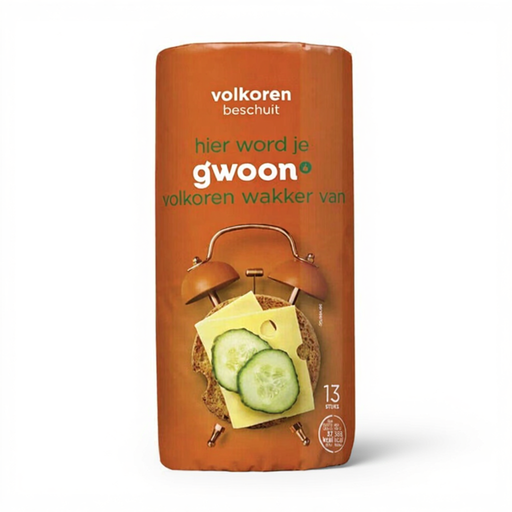 Image unavailable
A smaller pack of plain slices for a breakfast you can top yourself. The pack contains 125 g; if you plan to use it regularly, also compare the number of slices and storage instructions.
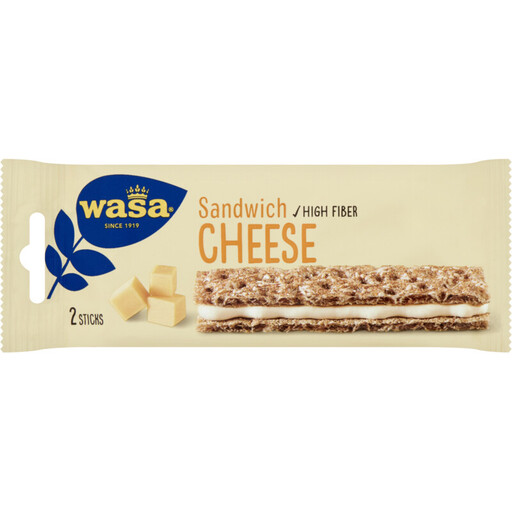 Image unavailable
A filled sandwich for mornings when you don’t want to add your own toppings. The pack contains 3 x 31 g. The cheese filling makes it different from plain crispbread, so check the ingredients and allergens.
 Image unavailable
Plain crispbread to top yourself or enjoy as a snack. The pack contains 215 g; check the label for the number of slices, fibre per 100 g and allergens when choosing what to have for breakfast.
No, you can’t tell from the type of product. According to the Netherlands Nutrition Centre, bakers aren’t required to use baker’s salt. Check the label on the specific pack to see whether iodised salt or baker’s salt is listed in the ingredients.
No, wholemeal and gluten-free don’t mean the same thing. Wholemeal crispbread may contain wheat or rye. If you need to eat gluten-free, check for an explicit gluten-free label and the current allergen information.
Keep it dry and seal the pack securely after opening, following the storage instructions on the packaging. That way, you can enjoy the remaining slices the next morning.
No, choose one of these varieties only if that particular feature matters for your breakfast. Albert Heijn lists 20 g of protein per 100 g for Wasa Protein+; a gluten-free label answers a different need. With both products, check the other ingredients and nutritional information too.