
The party-bite maker
Looking for a crisp base to go with small buffet toppings? A plain variety and a seasoned one can each give different toppings their own place.


Choose crispbread for your Boxing Day buffet based on the toppings and your guests, not just because the pack says ‘premium’. A thin, seasoned variety adds a distinctive flavour to small bites; a wholemeal option gives you a different grain choice, while any guest avoiding gluten will need a product clearly labelled gluten-free. Check the ingredients and allergen information on each pack, even when there’s a dietary claim on the front.
Looking for a crisp base to go with small buffet toppings? A plain variety and a seasoned one can each give different toppings their own place.
Wants to choose between wholemeal, seeds and other blends, without assuming a product is wholemeal just because it looks dark or the pack suggests it.
Needs up-to-date ingredients and allergen information for every guest. Pay particular attention to gluten-containing cereals, sesame and ‘may contain’ statements.
First decide what role the crispbread will play on your buffet and what dietary needs your guests have. Then compare the ingredients and the amount you plan to serve.
| What to consider | What to check when buying | Who it matters to |
|---|---|---|
| Flavour and texture | Compare a plain base with thin, seasoned or light varieties, and check that the flavour works with your planned toppings. | If you’re making small bites with a range of toppings, you’ll want a crispbread that doesn’t dominate the flavour of every topping. For around 25% of consumers, this serving role would be the first thing to consider. |
| Dietary needs and allergens | Check the ingredients, allergens and ‘may contain’ statements for each product. Check the toppings too. | If a guest needs to avoid gluten or a particular allergen, you won’t want to rely on a general product name. An estimated 31% of consumers would put these checks first. |
| Wholemeal and fibre | Look for an explicit wholemeal claim and compare the ingredients and fibre per 100 g. | If you specifically want to serve wholemeal crispbread, the product description is more useful than its colour or visible seeds. Roughly 25% of consumers would make this their main selection criterion. |
| Variety and quantity | Compare pack sizes and flavour options with the number of bites you want to make. | For a buffet with different toppings, you’ll want enough suitable varieties without relying on a single flavour. For around 19% of consumers, this practical mix would be the top priority. |
Seeds or a fibre claim don’t, by themselves, tell you whether the flour used is wholemeal. According to the Netherlands Nutrition Centre, ‘wholemeal’ on crispbreads means they’re made with 100% wholemeal flour.
If wholemeal is what you’re looking for, check for that description on the pack. You can also compare the fibre content of products using the nutrition information per 100 g.
The Wasa Gluten- & Lactosevrij Sesame & Sea Salt, as described by Jumbo, contains sesame and states that it may contain milk, mustard and soya. So one dietary claim doesn’t answer every allergen question.
Check the label on both the crispbread and the toppings for the guest concerned, including any ‘may contain’ statements.
The Netherlands Nutrition Centre explains that baker’s salt contributes to iodine intake through bread, but bakers aren’t required to use it. So the name ‘crispbread’ doesn’t tell you what kind of salt a particular product contains.
If iodine content is a factor in your choice, check the product information or ask the manufacturer what salt is used.
Ingredients and allergen information can change. This is particularly important when a guest needs to be able to rely on a specific formulation.
Check the current packaging when you buy the product and again before putting it on the buffet.
Jumbo lists several Wasa varieties, including sourdough, Delicate Crisp and a separate sesame variety labelled gluten- and lactose-free.
Albert Heijn lists Leksands varieties including sourdough and one with seeds and sea salt.
Albert Heijn lists light and wholemeal varieties from Bolletje. The retailer describes Bolletje Luchtig knäckebröd sesam as extra light and crisp.
Albert Heijn’s crispbread range includes own-brand varieties featuring wholemeal, sesame and different seeds.
ALDI Netherlands describes both Robuust crispbread with wholemeal grains and seeds, and a separate light sesame variety.
These Joybuy products include wholemeal and rye varieties, as well as thin, seasoned and light crispbreads. Choose one to suit your buffet and toppings. If the ingredients matter to a guest, check the current packaging.
 Image unavailable
A rye variety made with sourdough, ideal if you want to add a grain flavour alongside your buffet toppings.
If you’re catering for allergies, check the current information on gluten-containing cereals and whether the product may contain sesame or milk.
 Image unavailable
A wholemeal variety for anyone who wants to consider the grain blend as well as the flavour.
If you’re catering for guests with allergies, check the current information on gluten-containing cereals, sesame and whether the product may contain lupin.
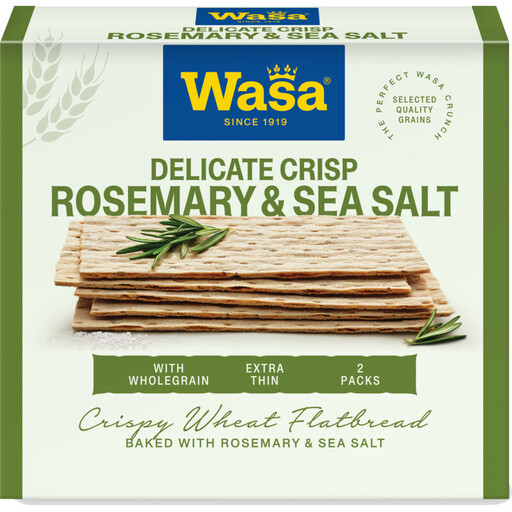 Image unavailable
A thin variety with rosemary and salt, adding its own flavour to smaller bites.
Choose toppings that work with the flavour and check the current packaging if you’re catering for allergies.
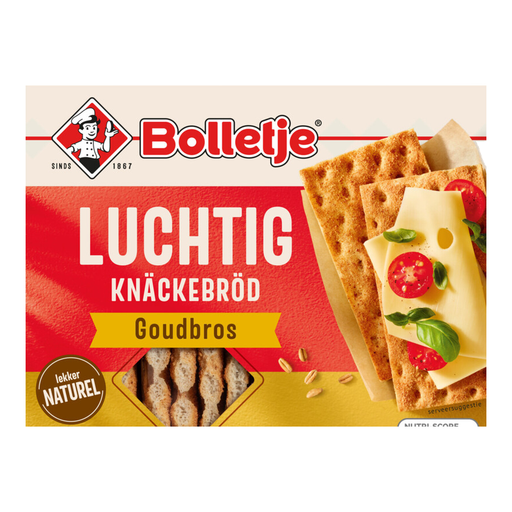 Image unavailable
A light crispbread for anyone who wants a less dense base for their buffet.
If you’re catering for guests with allergies, check the current information on wheat, sesame and whether the product may contain other gluten-containing cereals or lupin.
 Image unavailable
A wholemeal crispbread to consider if you’re looking for a grain base to pair with different toppings.
Compare the grain blend on the current packaging and check the allergen information carefully before serving it to guests.
No. Seeds don’t prove that the flour is wholemeal. The Netherlands Nutrition Centre says that ‘wholemeal’ on crispbreads means they’re made with 100% wholemeal flour, so check the product description and ingredients.
Read the ingredients and allergen information on each individual pack, and check the toppings too. The Netherlands Food and Consumer Product Safety Authority says the cereal must be named in the ingredients list when a product contains gluten-containing cereals. Also look out for relevant ‘may contain’ statements.
No. Crispbread can contain gluten-containing cereals such as rye or wheat. If someone needs to avoid gluten, choose only a product explicitly labelled gluten-free, then check the label for other allergens too.
No, you can’t tell from the product category. The Netherlands Nutrition Centre explains the role of baker’s salt in bread, but also notes that its use isn’t compulsory. If this affects your choice, check the product information or ask the manufacturer what salt is used.