Choose wholegrain crispbread if the type of grain is your priority. A thin variety may be a better fit when the toppings are the main event or your guests prefer a less robust cracker. A variety made with both wholemeal flour and white flour, or one marketed as low-carb, calls for a different approach: compare the ingredients, nutritional information per 100 g and allergens before serving it to guests.
Who should consider these options?
Barbecue hosts serving plenty of toppings
If you’re laying out dips, cheese, vegetables or salads, you’ll want a crunchy base that suits the way you plan to serve them. Consider the size and firmness of the crispbread, and when you’ll add the toppings.
Picky eaters looking to try wholegrain
A pronounced rye flavour isn’t for everyone. A thinner variety may be a more approachable choice, but check whether any seeds or herbs suit your guests’ tastes too.
Label readers with specific requirements
If you’re checking grain content, nutritional values or allergens, the full packaging tells you more than a single claim on the front. Compare nutritional values on a like-for-like basis, such as per 100 g.
What should you look for?
First decide whether the crispbread needs to hold toppings or whether the grain content and flavour are the deciding factors. Then check the label of the variety you plan to serve.
| What to consider |
What to check when buying |
Who it matters to |
| Base for toppings |
Check the size and thickness; think about whether you’ll add light or substantial toppings. |
If I’m serving a range of spreads and vegetables, I want the cracker to make a pleasant base without overpowering the toppings. For around 37% of consumers, this ability to hold toppings is the main priority. |
| Wholegrain and fibre |
Check the grain ingredients and compare the fibre content per 100 g. |
If you’re consciously choosing wholegrain, you’ll want to know which grains are used rather than judging by the colour of the cracker. Around 27% of consumers say this wholegrain choice is their top priority. |
| Flavour and texture |
Look for descriptions such as thin, and check flavouring ingredients such as sesame or herbs. |
For guests who are picky eaters, I’d rather choose a less assertive cracker than a firm rye variety. Flavour and texture matter most to around 18% of consumers. |
| Nutritional and allergen requirements |
Read the nutritional information per 100 g and check the ingredients and allergen information on the packaging. |
If a guest needs to avoid certain ingredients, or I’m watching my carbohydrate intake, I want to know exactly what’s in the variety I’ve chosen. For around 18% of consumers, this is the first thing they consider. |
Common mistakes
-
Assuming a brown cracker is wholegrain
Colour and a mention of fibre don’t, by themselves, tell you what the grain content is made up of. The Netherlands Food and Consumer Product Safety Authority states that, for a product to be labelled wholegrain, all of its grain ingredients must be wholemeal flour.
Read the product description alongside the ingredients list, especially if you’re considering a blend of wholemeal flour and white flour.
-
Treating low-carb as a general choice for a barbecue
A carb-focused variety answers a different question from choosing wholegrain. The low-carb description also doesn’t tell you whether the flavour and ingredients will suit all your guests.
Compare the nutritional information per 100 g and read the grain ingredients and allergen information before choosing this type of variety.
-
Checking for allergens only after buying
The crispbread varieties described here include grains containing gluten and sesame. For some products, information about the possible presence of other allergens may also be relevant.
Ask your guests in advance which ingredients they need to avoid, and check the current packaging of every product you serve.
-
Assuming all crispbread contains iodised salt
According to information from Brood.net about the baker’s salt agreement, the use of iodised baker’s salt is not a legal requirement. So the ingredients in one product don’t tell you anything about another.
If the type of salt matters to your choice, read the ingredients list on the relevant packaging.
Brands to consider
Wasa
The range includes wholegrain rye crispbread as well as thinner and more robust varieties.
- According to Wasa, Wasa Wholegrain is made with wholemeal rye flour, yeast and salt.
- If you’re looking for a subtle base, you may find a robust variety too assertive. Check the allergen information on thin sesame varieties too.
Bolletje
The range described includes wholegrain crispbread and varieties made with different grains and seeds.
- According to Bolletje, its Wholegrain Crispbread is made with 100% wholegrain cereals.
- A variety with a protein-focused name may not have the same grain content; compare the ingredients for each product.
Albert Heijn
The own-brand range described includes wholegrain, sesame and sunflower seed varieties.
- The different product types make it possible to compare ingredients and nutritional values across the range.
- Use the information on the individual packaging or product page to make that comparison.
Jumbo
Jumbo Wholegrain Crispbread is an own-brand variety made with wheat and rye.
- Jumbo’s product information lists 10,9 g of fibre per 100 g for this variety.
- Check the allergen information, including details of any other allergens that may be present, before serving it to guests.
TastyBasics
The poppy seed and sesame variety described is aimed at consumers who want to compare carbohydrate information in particular.
- The product description lists nutritional values per 100 g, which you can compare with those of other varieties.
- This variety isn’t the same as choosing crispbread made exclusively with wholegrain. Check the types of flour and allergens separately.
Products for your toppings table
This Joybuy selection includes wholegrain crispbread, a more robust rye variety, a mixed-grain variety and a thin cracker for anyone who wants the toppings to take centre stage. Wasa Thin Crisp is a cracker and isn’t described here as crispbread.
 No image available
Wasa Wholegrain Crispbread, 260 g
An option for anyone looking for a wholegrain rye base for barbecue toppings. Wasa lists wholemeal rye flour, yeast and salt as the ingredients in Wasa Wholegrain; check the current packaging if allergens or the type of salt matter to your choice.
View at Joybuy
 No image available
Bolletje Whole Grain Crispbread, 265 g
Worth considering if wholegrain is more important to you than an especially thin cracker. According to Bolletje, its Wholegrain Crispbread is made with 100% wholegrain cereals. Check the packaging for sesame and any other relevant allergens before serving it to guests.
View at Joybuy
 No image available
Wasa Rustic Crispbread, 215 g
This more robust variety is worth considering if you want a more pronounced bite alongside your toppings. If the wholegrain content or fibre amount will determine your choice, compare those details on the packaging; if you have allergies, check the current allergen information too.
View at Joybuy
 No image available
g'woon Wholemeal Crispbread, 375 g
A variety to compare if you’re considering different types of grain for your toppings table. Check the packaging for the proportions of wholemeal flour and white flour rather than relying on the product name, and check the allergen information for your guests.
View at Joybuy
 No image available
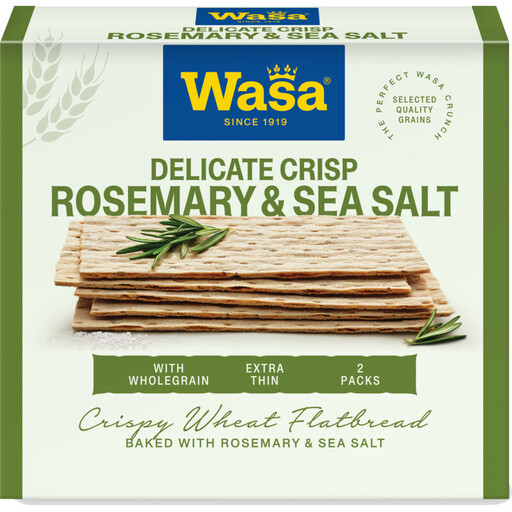
Wasa Thin Crisp Rosemary & Salt, 190 g
This thin cracker is an alternative if you’d prefer to serve a light base for toppings rather than classic crispbread. Rosemary and salt give it a distinctive flavour; think about whether it will go with your toppings and suit your guests, and check the current allergen information.
View at Joybuy
Frequently asked questions
When can crispbread be called wholegrain?
According to the Netherlands Food and Consumer Product Safety Authority, a product can be labelled wholegrain when all of its grain ingredients are wholemeal flour. If it contains a blend of wholemeal flour and white flour, check the ingredients separately; a brown colour is no substitute for this information.
Can I serve any crispbread to guests who avoid gluten or sesame?
No, don’t assume that. The varieties described contain grains with gluten, and several products contain sesame; check the ingredients and any warnings about the possible presence of allergens on each pack.
Does crispbread made with baker’s salt always contain iodine?
Don’t assume all crispbread has the same ingredients. According to Brood.net, using iodised baker’s salt isn’t a legal requirement; read the product’s ingredients list if the type of salt matters to your choice.
When should I add toppings to crispbread for a barbecue?
For the crunchiest texture, add toppings shortly before serving. Keep any unused crispbread in a dry place and seal an opened pack tightly.


