If you often watch cricket from the side, it’s worth comparing the viewing angles of specific TV models. OLED is one option, but an LCD TV with a suitable viewing angle may also work well. In daylight, check for reflections too, and look at motion handling during fast-paced play. A panel label or stated refresh rate alone won’t show how the picture performs in your viewing conditions. Also measure your seating distance and check that your chosen TV works with your match source.
Who is this buying guide for?
Side-seat viewer
You often watch the match from a distinctly off-centre seat, alone or with others, and want to know whether colours and brightness remain clear enough. Consumentenbond highlights a wide viewing angle as an advantage when several people watch sport together; RTINGS stresses the importance of wide viewing angles for different seating positions.
Daylight viewer
You often watch during the day, with windows or lamps that may reflect on the screen. So you’ll want to assess both the viewing angle and reflections on the specific model. RTINGS treats viewing angle and reflections as separate features.
Fan of fast-paced play
You want to follow the ball and rapid camera movements. Consumentenbond considers motion handling when assessing TVs for sport; the stated refresh rate alone doesn’t tell you what a match will look like.
What should you consider when choosing?
| What to consider |
What should you check? |
Who is this important for? |
| Picture from the side |
Compare independent tests of the exact model for horizontal viewing angle, and, if possible, view the picture from your own seat. |
If I watch from a side seat, I want the picture to remain clear enough for me and the other viewers. Around 36% of consumers prioritise viewing angle. |
| Reflections in daylight |
Check reflection tests and the screen finish of the model. Also consider where the windows and lamps are in relation to your seats. |
When I watch during the day, I want to see the match clearly despite windows or lighting. Around 29% of consumers prioritise visibility in daylight. |
| Motion handling |
Look for a sports test showing motion on the specific TV, and try the picture settings with your own match source. |
If I want to follow fast-paced play and camera movements, I’d rather look at moving images than just a refresh rate. Around 21% of consumers make motion handling their top priority. |
| Size and running costs |
Measure your seating distance and available space. Also check the energy label and product information sheet for the exact model. |
When I watch a lot of matches, I want a size that suits my room and a clear idea of energy use. Around 14% of consumers prioritise size and running costs. |
The percentages are editorial estimates of the priorities of consumers looking for a TV to watch cricket from a side seat; they are not measured market shares.
Avoid common buying mistakes
-
Assuming a panel label guarantees a good viewing angle
A label such as OLED, QLED or mini-LED doesn’t tell you how a specific TV performs when you’re sitting at an angle. With LCD TVs, the panel type matters too: RTINGS generally reports wider viewing angles for IPS than VA, while IPS typically has lower contrast.
Compare tests of the exact model for horizontal viewing angle and reflections. For an LCD TV, also check which panel type is used in the version you’re considering.
-
Assuming a high refresh rate guarantees a good picture of cricket
The stated refresh rate alone doesn’t tell you what a broadcast will look like; image processing and the source material also play a part.
Watch a sports test showing motion on the specific TV, and try your usual match source and picture settings.
-
Confusing the manufacturer’s warranty with your statutory rights
According to ACM ConsuWijzer, your statutory guarantee rights are separate from the manufacturer’s or seller’s warranty. The seller remains responsible for providing an appropriate solution if a product is faulty.
Read the terms of any additional warranty cover alongside your statutory rights before deciding whether it suits your needs.
Additional cover may mean extra costs, so compare what it offers beyond your existing rights.
-
Ignoring image retention when watching for hours with the same score graphic
Exceptionally long periods of use with the same fixed score graphic or channel logo are something to consider with OLED. Accelerated endurance tests don’t directly predict lifespan under normal home use.
Vary what you watch, and consider whether you mostly leave the same static image on screen for long periods.
Brands worth comparing
LG
The OLED evo C6 range is an OLED option worth considering for a room with off-centre seating.
- LG identifies the OLED55C68LA as a 55-inch OLED TV.
- Assess reflections and motion handling on the exact model; the model name alone doesn’t prove it’s better for cricket.
Samsung
The S99H is an OLED option whose screen’s anti-reflection treatment is also worth comparing.
- Samsung presents Glare Free as a feature of the S99H.
- This is a manufacturer-stated product feature, not an independent comparison with other TVs. Check the viewing angle of the exact model too.
Philips
The 55OLED850/12 combines OLED with Ambilight, making it an option if you also want to factor lighting around the TV into your choice.
- Philips lists viewing from an angle as a feature of this model.
- Ambilight doesn’t replace assessing the screen’s viewing angle or reflections.
Sony
The BRAVIA 8 is a 4K OLED option to compare if you’re also considering placement and sound.
- Sony identifies the K55XR80PAEP as a 55-inch BRAVIA 8.
- Sony says the wall mount isn’t included with the wall-mounting option mentioned. The model information doesn’t prove an advantage for cricket or off-centre viewing.
TVs at Joybuy
This selection includes OLED TVs and other models to compare for watching cricket from a side seat. Check the viewing angle, reflections and motion handling of each model; the screen specifications listed don’t determine these performance aspects on their own.
 No image available
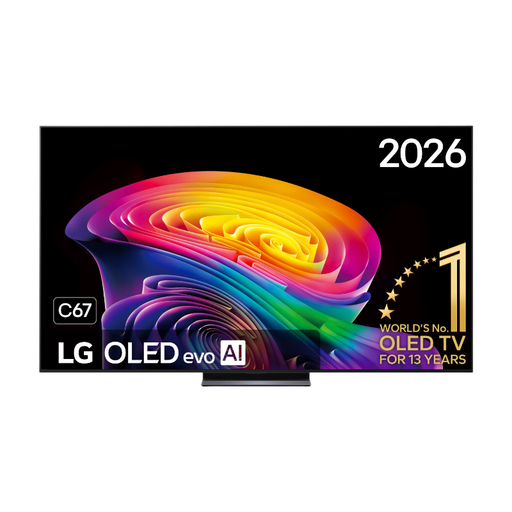
LG OLED83C67LA 83-inch OLED evo AI C6 4K Smart TV
An OLED model to compare if you often watch from an angle; check the viewing angle and reflections on this version.
83-inch screen; 4K; 120Hz; VRR up to 165Hz; Dolby Vision.
Image retention is something to consider with exceptionally long periods of use showing the same fixed score graphic or channel logo.
View at Joybuy
 No image available
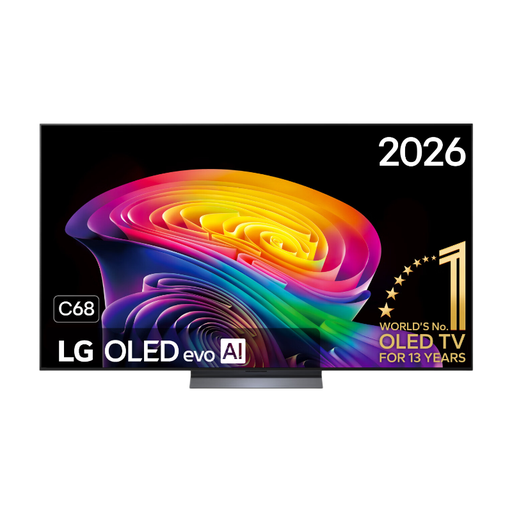
LG OLED65C68LA 65-inch OLED evo AI C6 4K Smart TV
An OLED model to compare for multiple seating positions; also consider how the screen handles light sources in your room.
65-inch screen; 4K; 120Hz native; VRR up to 165Hz; Dolby Vision.
Image retention is something to consider with exceptionally long periods of use showing the same fixed score graphic or channel logo.
View at Joybuy
No image available
LG OLED55C68LA 55-inch OLED evo AI C6 4K Smart TV
A 55-inch OLED model to compare if the screen size suits your seating distance; check the viewing angle from your own seat.
55-inch screen; 4K; 120Hz native; VRR up to 165Hz; Dolby Vision.
Image retention is something to consider with exceptionally long periods of use showing the same fixed score graphic or channel logo.
View at Joybuy
 No image available
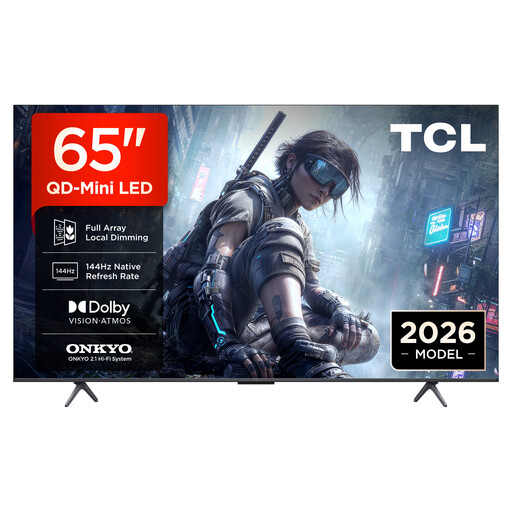
TCL 65T8D 65-inch QLED TV
A different screen type to consider alongside OLED; check the viewing angle and reflections of the version you’re considering separately.
65-inch screen; QD-Mini LED; 4K; 144Hz VRR; Dolby Vision.
View at Joybuy
 No image available
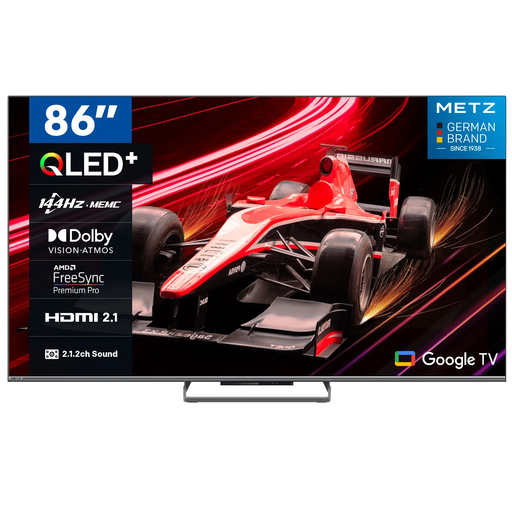
METZ 86MQE8000Z 86-inch QLED Google TV
Consider this larger screen only if you have enough space and the seating distance is suitable; check the viewing angle and reflections in your room.
86-inch screen; 4K; 144Hz; HDR10+; Dolby Vision Atmos.
View at Joybuy
Frequently asked questions
Is an OLED TV automatically the best choice for a side seat?
No. Compare the viewing angle of the specific model from your seat, and check reflections in daylight too. An IPS LCD panel can generally offer a wider viewing angle than VA, but typically has lower contrast.
Do I need a special TV to watch a cricket match?
That depends on the match source and how you watch. Before buying, check that your subscription, app or external receiver works on your chosen TV or through a suitable connection.
What should I check if I want to wall-mount the TV?
Check the installation guide for the exact TV and see which parts are included with your purchase. Sony states that the wall mount isn’t included with the BRAVIA 8 installation option mentioned; this doesn’t tell you what comes with other models.
Does the manufacturer’s warranty mean my statutory rights expire afterwards?
No. According to ACM ConsuWijzer, your statutory guarantee rights are separate from the manufacturer’s or seller’s warranty. What you can reasonably expect from a TV depends on factors including the product and normal use; there isn’t a fixed statutory guarantee period of exactly two years for every TV.
What energy-use information can I compare when choosing a TV?
EU rules on energy labels and product information apply to televisions. Use the energy label and product information sheet for the exact model to compare energy data; this information doesn’t tell you how the TV handles sports pictures or viewing angles.


