
Vandaag of morgen in huis

Kwaliteit gegarandeerd

Welkomstaanbiedingen ontgrendelen: GRATIS bezorging | Tot 80% korting | Gratis 30 dagen JoyPlus-proefperiode
Download de app
If you train with purpose, you don’t want to spend money on a creatine supplement where the actual dosage is unclear. With creatine capsules, it comes down to three things: the amount of creatine per capsule, the form used, and the number of capsules you need to take each day.
Marketing copy sometimes places a lot of emphasis on micronisation, extra blends or spectacular training results. Yet a long ingredients list doesn’t automatically mean a product is better suited to your routine. For adults using creatine for strength training, explosive training or short, high-intensity efforts, a verifiable composition matters more than flashy claims.
On the front of a pack, you might see 750 mg, for example. Always check whether this is 750 mg of creatine or 750 mg of creatine monohydrate. That difference can affect how you calculate your daily intake.
With Body & Fit Creatine Capsules, the product description states 750 mg of creatine monohydrate per capsule. The recommended daily amount is four capsules, providing 3,000 mg of creatine in total. The same daily serving contains 3,412 mg of creatine monohydrate.
A creatine product may contain flavourings, caffeine, amino acids or other components. That’s not necessarily a bad thing, but it does make comparisons more difficult. If you’re specifically looking for pure creatine monohydrate capsules, you’re usually better off with a short ingredients list and a clear dosage.
So pay attention to the full composition. In the Body & Fit capsules, creatine monohydrate is the main ingredient, alongside the capsule shell and a few auxiliary substances. If you prefer to mix your own drink, you could also opt for a powder with a single main ingredient.
According to the product description for Body & Fit, the capsules can be taken with water at any time of day. In practice, daily consistency is more important than a complicated schedule around your workout. Claims about performance support should also be read within the terms of the permitted European claim: the effect applies with a daily intake of 3 g of creatine and with repeated short, high-intensity efforts.
Creatine monohydrate is the form you’ll come across in multiple products. Check whether the label clearly states how much creatine the recommended serving provides. A product delivering 3,000 mg of creatine per day directly aligns with the usual reference for the permitted performance claim.
The term “micronised” refers to a finer powder structure. According to the product description for Lucovitaal, the powder is processed to 200 mesh, with the aim of a fine texture and good mixability. That’s mainly relevant if you’re using powder; with capsules, solubility doesn’t play a role during consumption.
A capsule with 750 mg of creatine means you need four capsules to get 3,000 mg. That’s straightforward, but not everyone finds four capsules comfortable. A powder can deliver a similar amount with one scoop, but it does require weighing or measuring.
Don’t just look at the total number of capsules or the weight of the tub. Also calculate:
Easy-to-swallow creatine capsules are practical for on the go, at the office or in the gym. Body & Fit states capsules based on hydroxypropylmethylcellulose. If you follow a plant-based diet, always check the label and the current packaging, as compositions can change.
Take capsules with plenty of water and follow the recommended dosage. Supplements are not a substitute for a varied diet and a healthy lifestyle. If you are taking medication, have a medical condition, are pregnant or are unsure about suitability, it’s wise to consult a doctor or pharmacist.
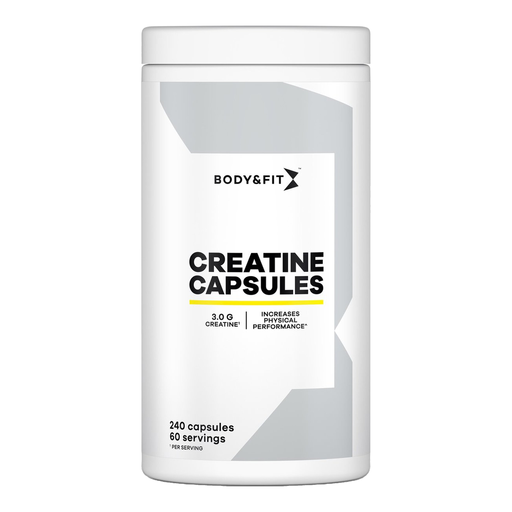
Why this fits the profile: The dosage is easy to follow: four capsules per day provide 3,000 mg of creatine, according to the product description.
The amount of creatine per capsule and per daily serving is clearly stated, so you don’t have to calculate based on the capsule count alone.
750 mg creatine monohydrate per capsule, 240 capsules per pack and a capsule form with no flavouring.
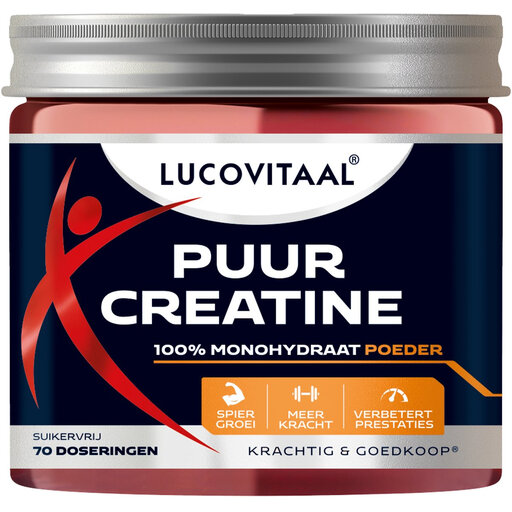
Why this fits the profile: Suitable for those who prefer to measure their own amount and want a product with a single main ingredient.
According to the product description, the composition is 100% creatine monohydrate, with no flavourings or sugar.
210 g powder, vegan according to the product information and a recommended amount of 3,000 mg per day.
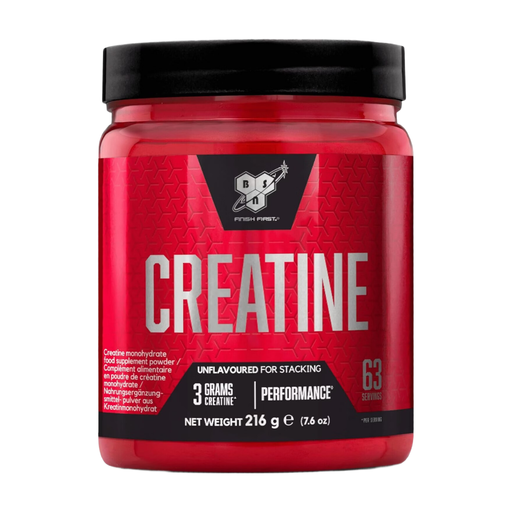
Why this fits the profile: An option for athletes who want to mix powder with water or another drink and use a serving of 3.5 g.
The product description lists only micronised creatine monohydrate and specifies one serving of 3.5 g.
216 g contents, unsweetened and, according to the product information, vegan and free from fillers or additives.
We’ve put together a full, up-to-date list of products that fully meet these strict selection criteria and comply with current European safety regulations.
That depends on the amount per capsule. With a capsule containing 750 mg of creatine, you need four capsules for 3,000 mg per day. Always follow the dosage on the current label. Taking more isn’t automatically beneficial.
According to the product information from Body & Fit, the capsules can be taken at any time of day. If you stick to the same routine daily, it’s easier to remember your intake. The capsules are not a substitute for food, hydration or a suitable training programme.
Compare the price per daily serving of 3,000 mg. Capsules offer convenience and a fixed dosage, while powder often gives you more flexibility with the amount. A lower pack price therefore doesn’t always mean lower cost per daily serving.
