
Vandaag of morgen in huis

Kwaliteit gegarandeerd

Welkomstaanbiedingen ontgrendelen: GRATIS bezorging | Tot 80% korting | Gratis 30 dagen JoyPlus-proefperiode
Download de app
Buying creatine seems straightforward: choose a tub of powder, capsules or gummies and follow the dosage on the label. Yet many athletes end up paying unnecessarily for flavourings, small packs or a low amount of creatine per serving. Terms such as micronised, advanced formula and performance blend also do not always tell you enough about how much creatine you are actually getting each day.
This guide helps you compare creatine supplements based on verifiable information: the type of creatine, amount per daily serving, ease of use and total contents. That way, you can find a product that suits your training routine and budget.
A 350-gram pack may look appealing, but you should also check the amount per serving. A product may contain additional ingredients that increase the total weight, while the creatine content remains the same as that of a simpler powder.
So check:
The authorised European creatine claim refers to a daily intake of 3 grams of creatine. Products in this selection generally list 3 or 3.5 grams per serving.
Creatine monohydrate is the form you will see on many labels. Micronised creatine usually means that the powder has been ground more finely. This can make it easier to mix into water, but it does not automatically change the amount of creatine per serving.
Therefore, pay attention to the complete ingredients list. A product containing 100% creatine monohydrate is easier to compare than a formula offering several substances together.
Powder can be cost-effective, but you need to measure out a scoop and mix the product. Capsules are convenient when you are out and about, but a daily serving may consist of several capsules. Gummies are easy to take, but contain sweeteners and flavourings.
The practical question is therefore not just: “Which creatine should I buy?”, but also: Which format will I use every day? Consistent use is often easier with a simple product that fits naturally into your habits.
Always compare the amount of active creatine, not just the amount of creatine monohydrate. For example, Body & Fit lists 3,000 mg of creatine per four capsules, derived from 3,412 mg of creatine monohydrate. For its sachets, Optimum Nutrition lists 3.4 grams of creatine monohydrate, of which 3 grams is creatine.
With gummies, the dosage may be expressed differently. Lucovitaal lists 3,000 mg of creatine per three gummies. The product information also states that three to six gummies can be taken per day, depending on individual needs. If in doubt, follow the current packaging and recommended daily amount, and do not exceed it.
If you are looking for a simple formula, look out for:
A flavoured product such as fruit punch may be more enjoyable if you drink your creatine with water. An unflavoured version is more versatile when combined with a shake, juice or plant-based drink.
The price of a tub tells you little without calculating the contents. Divide the purchase price by the number of daily servings. With sachets, you may pay more for the convenience of individual portions and portability, while a larger tub of powder will generally last longer.
Also pay attention to the storage instructions: keep creatine dry, cool and out of direct sunlight. Supplements should not be used as a substitute for a varied diet and healthy lifestyle.
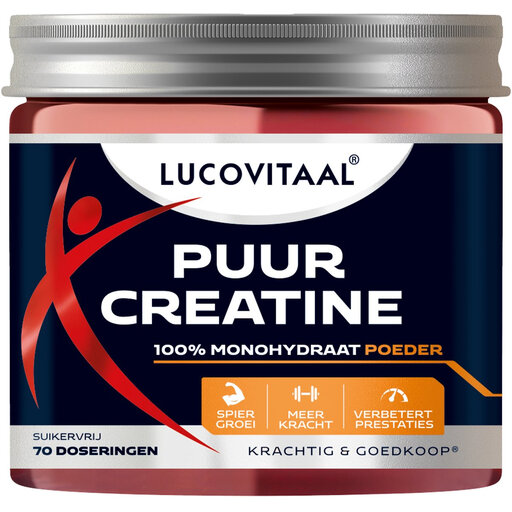
Why it suits this profile: A straightforward creatine powder containing 100% creatine monohydrate. The recommended amount is 3 grams per day, and you can mix it with water or a plant-based drink.
The formula is clear and contains no flavourings or unnecessary blend of ingredients. Do check the measuring scoop or weigh out the daily amount carefully.
210 grams of contents, 100% creatine monohydrate, vegan and sugar-free; according to the product information, the powder is micronised to 200 mesh.
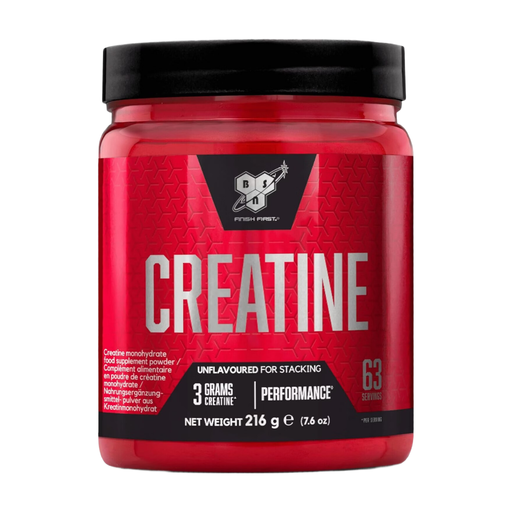
Why it suits this profile: For athletes who want to combine unflavoured, micronised creatine with different drinks. One serving consists of 3.5 grams of powder.
The product information lists only micronised creatine monohydrate, with no fillers or additives. Check the current packaging when purchasing.
216 grams of contents, 63 servings, vegan according to the product specification and unsweetened.
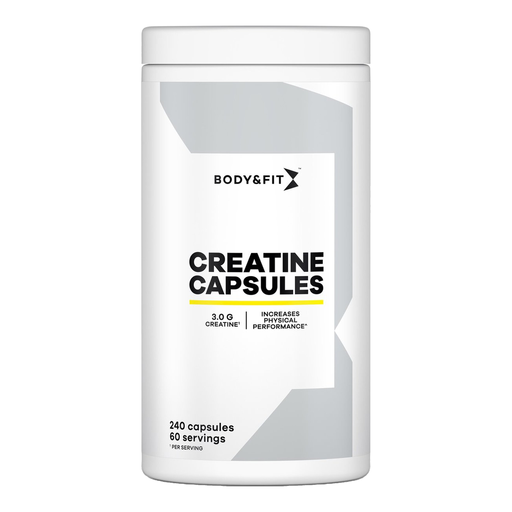
Why it suits this profile: Capsules are practical for anyone who does not want to use a shaker, for example at the office, while travelling or between multiple training sessions.
The daily serving is clearly specified: according to the product information, four capsules provide 3,000 mg of creatine. This means you do not have to calculate the amount per capsule.
240 capsules, 750 mg of creatine monohydrate per capsule and no listed allergens.
We have put together a complete, up-to-date list of products that fully meet these strict selection criteria and the applicable European safety regulations.
Creatine powder is ideal if the lowest price per serving and a short ingredients list are important to you. A product such as Lucovitaal Pure Creatine Monohydrate is unsweetened and can be mixed with water or plant-based milk.
Creatine capsules are convenient when mixing does not fit easily into your routine. Do check how many capsules make up one complete daily serving.
Creatine gummies are easy to carry and take without a shaker. According to the product information, Lucovitaal Creatine 3000 mg 60 Gummies contains 3,000 mg of creatine per three gummies, with a lemon-apple flavour, pectin and sweeteners. A two-tub pack is also available.
Creatine sachets are pre-portioned. The Optimum Nutrition variants provide 3 grams of creatine per sachet and are available in fruit punch or unflavoured versions. This is practical for gym bags and travel, but compare the total cost per day.
The product information mentioned above generally specifies 3 grams of creatine per day. Some products recommend 3.5 grams of powder or an amount equivalent to 3 grams of active creatine. Always follow the label of the product you choose and do not exceed the recommended daily serving.
That is often the case per serving, but check rather than assuming. Divide the price by the number of complete daily servings. Capsules, gummies and sachets offer greater convenience, while powder generally requires less packaging and fewer added ingredients.
The product information for this selection states that it can be taken at any time of day or shortly before or after training. Taking it at a set time, such as with breakfast or after exercise, can help you remember to use it every day. Make sure you drink enough while taking it, and seek advice from a doctor or pharmacist if you are pregnant, breastfeeding, taking medication or have a medical condition.
