
Vandaag of morgen in huis

Kwaliteit gegarandeerd

Welkomstaanbiedingen ontgrendelen: GRATIS bezorging | Tot 80% korting | Gratis 30 dagen JoyPlus-proefperiode
Download de app
Choosing a cream for sensitive skin might seem straightforward, until you start comparing labels. One formula promises intense hydration, another offers soothing care or sun protection. Yet a bold claim on the front tells you very little about whether a product actually suits your skin and your routine.
For adults, men and parents, these three pitfalls are particularly important:
Parfum and fragrance allergens such as limonene, linalool or geraniol. Even natural essential oils can cause reactions in some people.A fragrance-free cream is a logical choice when you want to avoid perfumes. Pay attention to the full ingredients list; “fresh”, “natural” or “nourishing” doesn’t automatically mean a product is free from fragrance.
Commonly used hydrating ingredients include:
An ingredients list is no guarantee that a product will suit everyone. If in doubt, first test a small amount on a limited area of skin. Stop using it if you experience irritation, redness, swelling or itching, and consult a doctor or pharmacist if symptoms persist.
A rich cream can feel lovely on dry skin or during cold, dry months. If you have oilier or combination skin, you may benefit more from a gel cream or light lotion. A moisturiser for sensitive skin should also feel comfortable to wear: a sticky layer can mean you’re less consistent with application.
For the body, a lotion is often more practical because of the larger size. A face cream is usually formulated for a smaller area and may have a different texture. Only use a baby cream for sensitive skin according to the product information and avoid contact with the eyes.
An SPF face cream combines hydration with a sun filter. NIVEA Soothing Day Cream Sensitive Skin, for example, states SPF 15 and a fragrance-free formula. NIVEA MEN Sensitive Daily Protective Moisturizing Cream states SPF 30. The SPF value can be checked on the packaging, but the actual protection you get also depends on applying enough and reapplying when necessary.
A day cream with SPF doesn’t automatically replace all other forms of sun protection during prolonged exposure. For the evening, a night cream without SPF is usually the more logical choice.
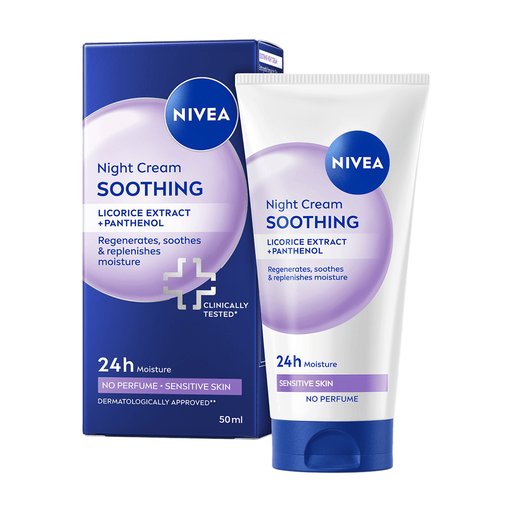
Why this fits the profile: This fragrance-free night cream is a straightforward choice for anyone looking for a simple evening routine, focusing on hydration and comfort.
The product information explicitly states “fragrance-free”, so you don’t have to rely solely on the term “sensitive”. Always check the packaging yourself, though.
50 ml; according to the ingredients list it contains, among others, glycerine, shea butter, panthenol and liquorice extract.
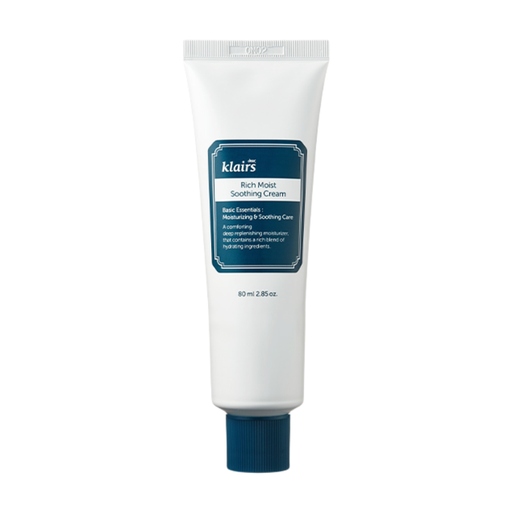
Why this fits the profile: This richer moisturiser is designed for those who want multiple hydrating ingredients and a fuller cream experience.
The full ingredients list is available. This means you can check that the formula contains fragrance allergens and essential oils alongside its hydrating ingredients.
80 g; contains, among others, shea butter, jojoba oil, beta-glucan, sodium hyaluronate and ceramide NP.
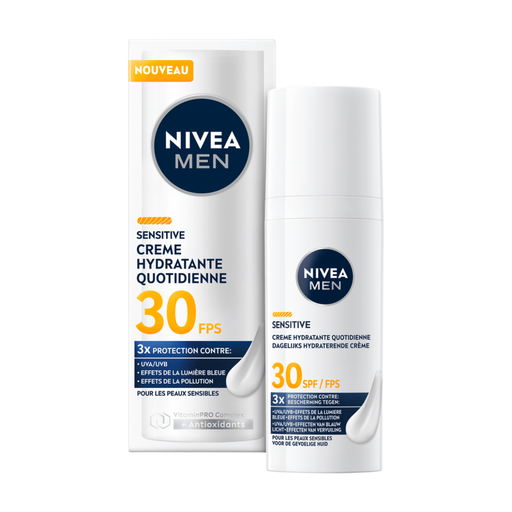
Why this fits the profile: This men’s face cream combines daily hydration with SPF 30 for anyone wanting a quick daytime routine.
The SPF 30 is clearly stated, rather than a vague claim about sun protection. The formula does contain fragrance; check this beforehand if you have sensitive skin.
50 ml; light texture according to the product description; contains glycerine, panthenol and UV filters.
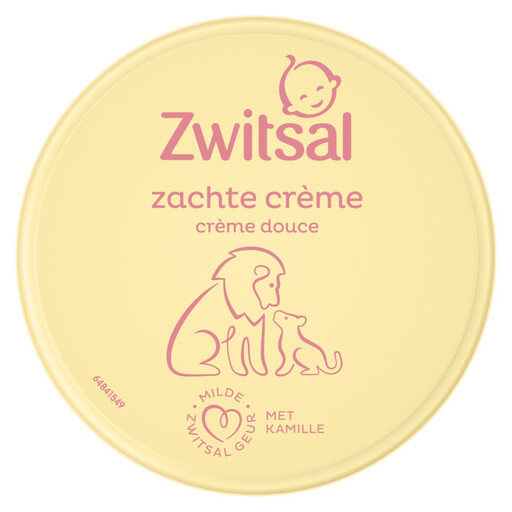
Why this fits the profile: The 200 ml size is practical for use on both face and body, for example after bathing or on dry patches.
The product information states it is pH-neutral for the skin and suitable for face and body. The cream does contain fragrance, so check its suitability for sensitive baby skin.
200 ml; intended for face and body; contains glycerine, paraffinum liquidum, vitamin E and chamomile extract.
We’ve put together a full, up-to-date list of products that fully meet these strict selection criteria and comply with current European safety regulations.
Choose a formula with a texture you find comfortable and check whether it contains fragrance, alcohol or known fragrance allergens. For daytime, a day cream for sensitive skin with SPF can be practical. In the evening, you could use a fragrance-free night cream without SPF.
Follow the symbol on the packaging, usually an open jar with something like 6M or 12M. This tells you how many months the product is intended for use after opening. Close the packaging properly, use clean hands and do not store the cream in direct sunlight or extreme heat.
No. First look at the ingredients, the amount, the intended use and the texture. A simple hydrating cream with glycerine may be enough for your routine, while someone with dry skin might prefer a richer formula with shea butter or ceramides. The right choice depends on your skin, when you’ll use it and your preference for fragrance-free products.
