
Vandaag of morgen in huis

Kwaliteit gegarandeerd

Welkomstaanbiedingen ontgrendelen: GRATIS bezorging | Tot 80% korting | Gratis 30 dagen JoyPlus-proefperiode
Download de app
Pigmentation, dark spots and an uneven complexion do not disappear automatically just because a cream comes in eye-catching packaging or has the term brightening on the label. When buying a cream for pigmentation, it is therefore better to focus on the formula, sun protection and usage advice than on quick marketing claims.
The right choice also depends on where you intend to use the cream. A face cream for dark spots is not always suitable for the body, while a rich moisturising face cream may feel heavy on oily or blemish-prone skin.
Brands may mention visible results after a few weeks, but this is not a universal promise. According to NIVEA’s own research, certain LUMINOUS630 products showed a visible reduction after two weeks. The product information refers to a specific clinical study; individual results may vary.
Reducing pigmentation usually requires consistent use. Stopping after a few days, using too many products at once or regularly exposing your skin to the sun can make it harder to assess a product.
UV radiation can contribute to pigmentation developing or becoming darker. A cream for an even complexion with SPF is therefore practical for daytime use. Pay attention to the difference between SPF 30 and SPF 50, and use enough product. SPF is not an excuse to stay in the sun for long periods; reapplication may be needed after sweating, swimming or drying yourself.
A day cream with SPF can be convenient for your daily commute. For a long day outdoors, a separate sun cream is often easier to manage, as it makes it simpler to apply sufficient protection.
Vitamin C cream, niacinamide cream and tranexamic acid are often mentioned for dull or uneven complexions. However, it is the complete formula that determines how comfortable a product feels. Fragrance, alcohol, essential oils or exfoliating acids may be less suitable for some skin types.
Also check whether a product is intended for the face, body or targeted use. For example, a 15 ml spot cream is mainly designed for small areas, while a 200 ml body cream is more practical for larger surfaces.
Do not just look for terms such as whitening cream or “spot remover”; check the ingredients list. Relevant examples include:
A higher percentage does not automatically mean that a product is better suited to your skin. For sensitive skin, a simple, fragrance-free formula is often the more sensible starting point.
Check that SPF is actually stated on the product and whether it is a day cream, BB cream or evening treatment. According to the product information, the NIVEA Cellular LUMINOUS630 Anti-Pigment Day Cream has SPF 50. The NIVEA Cellular LUMINOUS630 CC Fluid is available with SPF 30 and combines a tinted finish with UV filters.
A tinted cream can make redness or dark spots look less noticeable, but this is camouflage and does not prove that the spot itself has changed. Treat the coverage as an additional practical benefit.
A richer cream may feel more comfortable on dry or mature skin. A gel cream or lightweight fluid is often better suited to combination, oily or blemish-prone skin. Also look for product claims such as fragrance-free, alcohol-free and non-comedogenic, but regard these as product characteristics rather than a guarantee that everyone will tolerate the product without problems.
Test a new cream on a small area of skin first. Stop using it if you experience persistent redness, itching, swelling or a burning sensation, and seek advice from a doctor or dermatologist if necessary.
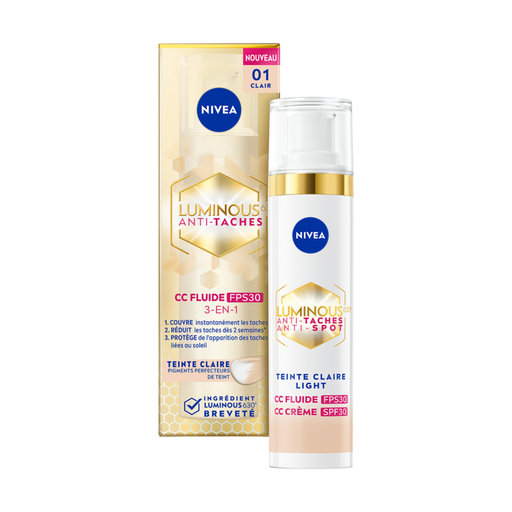
Why it suits this profile: A daily fluid that combines optical coverage with SPF 30, without requiring you to buy several face products straight away.
The product information states both SPF 30 and micro-encapsulated pigments for a tinted finish. This makes it clear which benefit is immediately visible and what level of protection is stated on the label.
40 ml, SPF 30, lightweight version, dermatologically approved according to the product information and described as non-comedogenic.
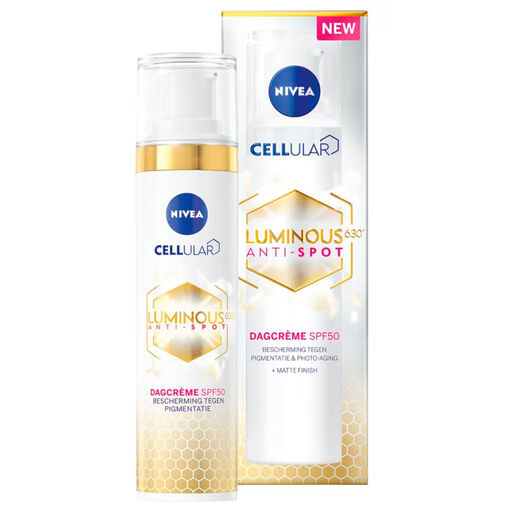
Why it suits this profile: Suitable for anyone who prioritises a higher SPF during the day and a non-tinted face cream.
Choosing SPF 50 makes the protection factor easy to check. The claimed reduction in spots comes from NIVEA’s product information and is not a guarantee of personal results.
SPF 50, hyaluronic acid, vitamin E and LUMINOUS630 according to the ingredients and product description; suitable for all skin types according to the brand.
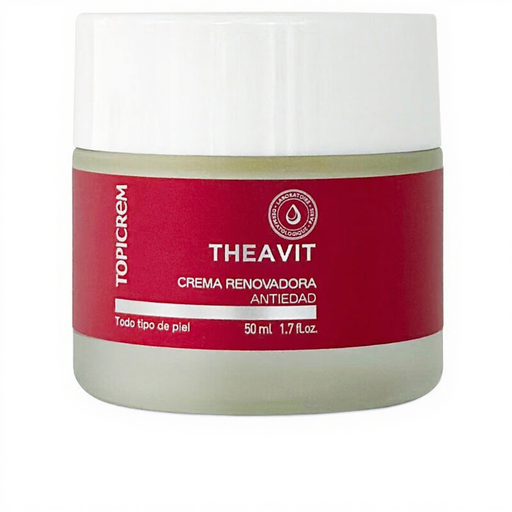
Why it suits this profile: For users looking for an exfoliating AHA formula as well as skincare, and who can build their routine carefully.
The presence of glycolic acid is clearly stated in the product description. This helps distinguish the product from a simple moisturising face cream.
50 ml, fragrance-free according to the product details, with a lightweight, fast-absorbing texture according to the description. Do not combine with too many active products.
We have put together a complete, up-to-date list of products that fully meet these strict selection criteria and the applicable European safety regulations.
For sensitive skin, fragrance-free options such as the SKIN1004 Centella Asiatica Brightening Light Gel Cream are worth considering. The product information mentions niacinamide, tranexamic acid, panthenol and a fragrance-free formula, among other ingredients. The claim that it reduces pigmentation comes from the brand; do not regard this as a medical treatment.
A cream may contain ingredients that, according to the brand, help reduce the visibility of dark spots, but without UV protection, daily exposure remains an important factor. During the day, choose a day cream with SPF or use a separate sun cream.
This depends on the size and the amount used each time. A 15 ml tube for targeted application will often last for a different length of time from a 40, 50 or 75 ml face cream. Also check the open-jar symbol showing the period after opening and the expiry date on the packaging.
Sometimes, but check the complete ingredients list first. Using several active products together can cause stinging or redness. Start with one product, test it on a small area of skin and only add a vitamin C cream or niacinamide cream later if your skin remains calm.
