
Vandaag of morgen in huis

Kwaliteit gegarandeerd

Welkomstaanbiedingen ontgrendelen: GRATIS bezorging | Tot 80% korting | Gratis 30 dagen JoyPlus-proefperiode
Download de app
Dry skin can feel tight, rough or flaky. This is often more noticeable in winter, after a hot shower or when washing your hands frequently. However, anyone searching for a cream for dry skin will quickly come across dozens of products making similar promises. A moisturising face cream is not automatically suitable for cracked elbows or very dry skin either.
So do not focus only on words such as “intensive”, “repairing” or “72 hours”. Look at the ingredients, intended use, size and warnings on the packaging. Below, you will find practical points to consider and some popular choices for 2026.
Brands sometimes state a specific hydration period. This result may be based on a limited group of users, a particular measuring method or a self-assessment. For example, NIVEA Repair & Care Urea Body Cream states a 72-hour claim based on a self-assessment involving 41 volunteers, measured after two weeks of use. According to NIVEA’s own research, this therefore says something about that test setup, not about every user.
Use such claims as additional information, not as a guarantee. Your skin condition, the amount of cream used and how often you apply it all make a difference.
A product may be dermatologically approved or tested and still contain fragrance or fragrance allergens. So check the ingredients list for Parfum, Limonene, Linalool, Citronellol and essential oils, among others.
For example, Dear, Klairs Rich Moist Soothing Cream is aimed at sensitive skin, but contains several essential oils, including lemon, lavender, orange and eucalyptus oils. This does not automatically make the cream suitable for everyone with reactive skin.
A lightweight moisturising face cream is often comfortable under make-up, while a body cream for dry skin may contain more soothing or occlusive ingredients. For knees, heels and cracked hands, a thin lotion may not be rich enough. On the face, a heavy body cream can feel unpleasant.
A good formula for dry skin often combines different types of ingredients:
Urea may be worth considering in a cream for very dry skin, but a higher concentration can sting on damaged skin. Always test a new product on a small area first.
A body lotion for dry skin is usually thinner and absorbs more quickly. This is practical for larger areas of the body and for use in the morning. A body cream for dry skin is generally richer and better suited to rough patches, evening skincare or cold weather.
For the face, a moisturising face cream and a lightweight lotion are often more convenient. If your skin reacts quickly to products, look specifically for a fragrance-free cream and avoid essential oils.
Compare the price per 100 ml or gram rather than looking only at the total price. Also check the expiry date, batch information and directions for use.
Bear in mind that product information does not always match across every listing. With NIVEA Repair & Care Urea Body Cream, the product name mentions 15% glycerin, while the description states 18% glycerin. If in doubt, check the label on the packaging you receive. This is more reliable than a marketing title.
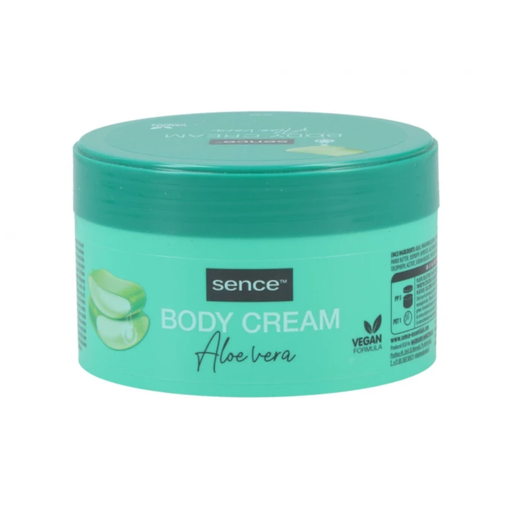
Why it’s a good fit: A simple choice for everyday use on the body, for example after showering.
The product details clearly state the type, variant and size of 200 ml. The description mentions a fresh fragrance, so this is not a fragrance-free cream.
According to the product description, aloe vera and a creamy texture are intended to provide hydration for everyday body care.
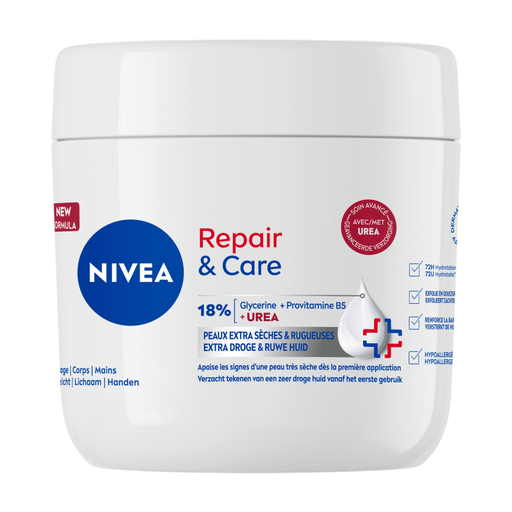
Why it’s a good fit: Designed for very dry and rough skin on the body, with a generous size for regular use.
The formula lists glycerin, urea and provitamin B5. However, check the packaging because the stated glycerin content differs between 15% and 18%.
400 ml, plus ingredients suited to caring for dry skin. The ingredients list also includes fragrance.
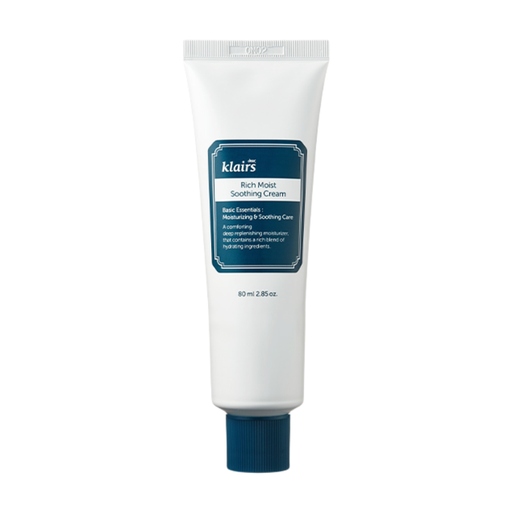
Why it’s a good fit: For anyone looking for a richer moisturising face cream containing ingredients such as shea butter, jojoba oil, beta-glucan and ceramide NP.
The full ingredients list is available. If you need a fragrance-free cream, take care: the formula contains essential oils and fragrance allergens.
80 g and several moisturising and soothing ingredients for everyday facial use.
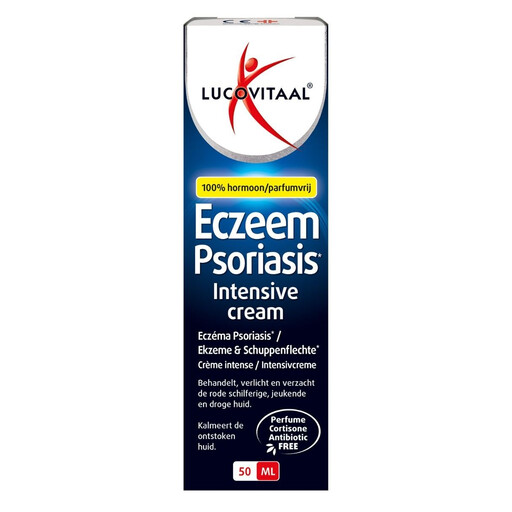
Why it’s a good fit: A compact option for adults with eczema- or psoriasis-related symptoms diagnosed by a doctor.
According to the product information, this is a medical device, not an ordinary eczema cream. Read the leaflet and follow the directions for use.
50 ml, fragrance-free according to the product details, with DDS5 minerals and MDS17 listed as ingredients.
Explore a current selection of products for dry and sensitive skin, and compare their intended use, size and ingredients.
Look for a richer body cream containing ingredients such as glycerin, urea, panthenol, shea butter or occlusive ingredients. Apply the cream to slightly damp skin, preferably immediately after washing. If you have cracks, persistent redness or worsening symptoms, it is advisable to seek advice from your GP or pharmacist.
Not necessarily, but fragrance-free products do reduce a common source of irritation. Always check the full ingredients list. Essential oils can also contain fragrances. Stop using the product if you experience a burning sensation, swelling or clear irritation.
Start by applying it daily after showering and reapply whenever your skin begins to feel tight again. With a richer cream, once a day may be sufficient, while a lightweight body lotion may sometimes need to be applied more often. When using a medical device, always follow the directions for use on the packaging.
