What should you look for when buying?
First decide whether your break calls for a cracker that can be topped or a sweet biscuit. Then compare the exact products and plan how you’ll serve them to guests.
| What to consider |
What to check when buying |
Who should pay particular attention? |
| Allergens when serving unpackaged products |
Record the allergens in both the cracker or biscuit and the topping, and make sure guests can access this information when the food is served. |
If I’m serving loose or topped products, I want to be able to tell guests which allergens they contain before they choose. Around 31% of consumers put this information first. |
| Wholegrains and fibre |
Compare the ingredients and nutritional information per 100 g, including fibre, sugars, fat and salt. |
For a savoury break, I want to compare cracker options on the same basis rather than relying only on terms such as ‘light’ or ‘wholegrain’. This is the main consideration for around 25% of consumers. |
| Sweet treats with coffee |
Decide whether a biscuit suits the occasion and compare its nutritional information per 100 g with that of the crackers you’re considering. |
With coffee or tea, I’m looking for a sweet biscuit, not a base for toppings. Around 25% of consumers say this choice is their priority. |
| Portions and serving style |
Check the number of pieces per pack and whether the size works with your planned toppings and serving style. |
For several breaks, I want to be able to plan how many pieces I need and choose a suitable way to serve them. This matters most to around 19% of consumers. |
Brands to consider
These brands offer examples of different product types. Always check the information for the variety you’ve chosen before placing an order.
Bolletje
Bolletje Lichte Crackers Volkoren is an example of a wholegrain cracker for a break with toppings.
- Bolletje states that this variety contains 100% wholegrain cereals.
- The product information lists wheat, barley and sesame, among other ingredients. Use the allergen information on the exact pack for your guests.
Melba
Melba Volkoren is a light wholegrain cracker with sesame.
- Jumbo lists 9.5 g of fibre per 100 g for Melba Volkoren.
- Jumbo lists sesame, soya and cereals containing gluten among the allergens present.
Jumbo huismerk
The organic wholegrain cracker with seeds is a separate option for anyone looking for a cracker to use as a base for toppings.
- For this variety, Jumbo lists sesame, linseed and 12.4 g of fibre per 100 g, among other ingredients.
- The product specification also mentions possible traces of egg, milk and soya; check the current information for the variety you choose.
Albert Heijn (AH huismerk)
AH Digestive belongs in the sweet biscuit category for coffee or tea, not with crackers for toppings.
- Albert Heijn provides nutritional values per 100 g for AH Digestive, making it easy to compare the biscuit with other products on the same basis.
- The retailer lists wheat as an ingredient and says the product may contain barley, oats and rye. Check this information on the pack you choose.
Goud Gebakken
This ALDI own brand includes various types of crackers and crispbread, including thin rye crackers.
- The range includes different product shapes that you can assess individually for size and intended serving style.
- Check the nutritional information and allergens on the pack of the variety you actually choose.
Crackers and biscuits for both types of break
The crackers below are worth comparing for a savoury break; the digestive biscuits are for a sweet coffee or tea break. Before serving any products without their packaging, always check the current allergen information and the number of pieces per pack.
 No image available
Wasa Sourdough Rye Crackers, 235 g
A rye cracker to consider for a savoury break. Check the number of pieces per pack when planning portions, and check the current packaging for allergen information if you’re serving the crackers without their packaging.
View at Joybuy
 No image available
g'woon Wholemeal Crispbread, 375 g
A wholemeal crispbread to consider as a base for a savoury break. Match your chosen toppings to its size, and check the current allergen information before serving.
View at Joybuy
 No image available
Wasa High-Fiber Crackers, 300 g
A cracker for anyone comparing varieties by their nutritional information. Check the nutritional values per 100 g on the exact pack, and separately make sure its size suits your planned toppings.
View at Joybuy
 No image available
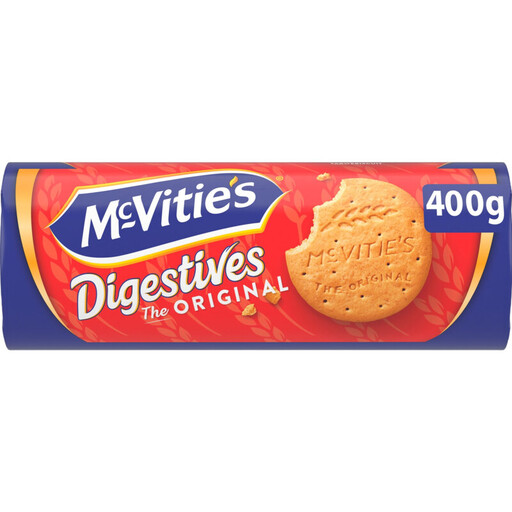
McVities Digestive Original, 400 g
A digestive biscuit for a sweet coffee or tea break, not as a base for savoury toppings. Check the number of biscuits per pack when planning portions, and check the allergens if serving without the packaging.
View at Joybuy
 No image available
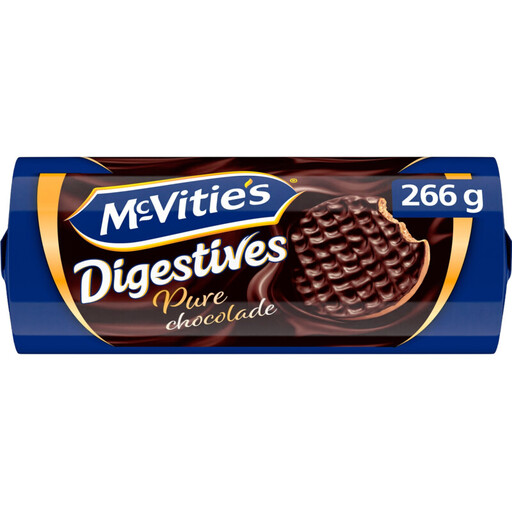
McVitie's Digestives with Dark Chocolate, 266 g
A digestive biscuit with dark chocolate for a sweet break. Keep this variety separate from crackers for toppings, and check the allergens and number of biscuits on the pack you choose.
View at Joybuy
Frequently asked questions
What allergen information do I need if I serve crackers plain or with toppings?
When serving unpackaged products, information about allergens present must be available to guests. The Netherlands Food and Consumer Product Safety Authority lists 14 allergens; for cereals containing gluten and nuts, you must also name the specific cereal or nut. Record the information for both the cracker and its toppings, and make it easy to access where the food is served.
Is a digestive biscuit the same as a high-fibre cracker?
No. A digestive biscuit is a different type of product from a cracker that can be topped, and the name alone doesn’t tell you how much fibre it contains. For AH Digestive, Albert Heijn lists 3.2 g of fibre, 16 g of sugars and 21 g of fat per 100 g. If these values matter to your choice, compare the nutritional information for the exact products per 100 g.
How do I compare crackers before placing an order?
First compare crackers suited to the same occasion, then look at their nutritional information per 100 g. The Netherlands Nutrition Centre recommends this basis for comparison because portion sizes can vary. Also check the ingredients, allergens and number of pieces per pack for the way you plan to serve them.
Can I serve wholegrain crackers as gluten-free without checking?
No. ‘Wholegrain’ doesn’t mean ‘gluten-free’. The product information for Bolletje Lichte Crackers Volkoren lists wheat and barley, while Jumbo lists wheat, barley and rye, among other ingredients, for Melba Volkoren. Always check that the exact variety you’ve chosen is labelled gluten-free before serving it as such.
What should I do with crackers between breaks?
Follow the storage instructions on the pack of the crackers you’ve chosen. If keeping them crisp matters, you can add the toppings just before serving. Make sure you also have allergen information available for every combination.


