What should you look for when choosing?
First decide whether you want a sweet biscuit or a cracker to add toppings to. Then compare the nutritional information for products that suit the way you plan to enjoy them.
| What to consider |
What to check when buying |
Who it matters to |
| Fibre and wholegrains |
Compare fibre per 100 g and, if listed, per serving. Also check which grains appear in the ingredients list. |
If I mainly want to focus on fibre with my tea, I look for a cracker whose nutritional information I can compare easily. Around 37% of consumers give this fibre-focused choice top priority. |
| A sweet biscuit |
Check sugars, fat, salt and fibre per 100 g, and consider how many biscuits you count as a serving. |
For me, tea calls for a sweet, crunchy biscuit; I’m not primarily looking for something to use as a base for toppings. This flavour preference comes first for around 27% of consumers. |
| Texture and toppings |
Choose between a thin cracker and a sturdier crispbread, depending on the toppings you want to use. Check the ingredients in seeded varieties too. |
I want to add toppings to my cracker, and the difference between a light and a sturdy texture matters to me at teatime. This is the main consideration for around 18% of consumers. |
| Allergens and specific label values |
Read the latest allergen information and compare values such as salt or carbohydrates per 100 g if they’re important to your choice. |
I need to avoid a particular ingredient or want to check a specific nutritional value first, so taste alone won’t decide it. This is the most important consideration for around 18% of consumers. |
Products to enjoy with tea
This selection includes crackers and crispbread for anyone looking for something to add toppings to with their tea, plus a digestive for those who prefer a sweet biscuit. Check the packaging for the nutritional values and allergens of the variety you choose.
 Image unavailable
Wasa High-Fiber crackers, 300 g
For anyone looking for a cracker to use as a base for toppings with their tea. Pack size: 300 g. Compare the fibre and salt on the label, and check the allergen information for this variety.
View at Joybuy
 Image unavailable
Wasa Sourdough Rye crackers, 235 g
For anyone looking for a rye cracker to enjoy with their tea. Pack size: 235 g. Compare fibre and salt, and check the latest allergen information.
View at Joybuy
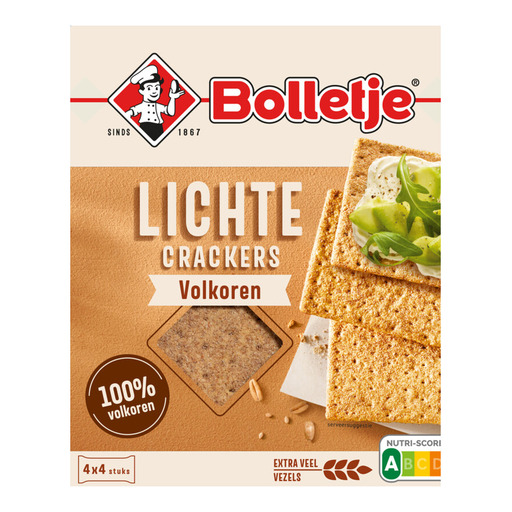 Image unavailable
Bolletje Light Whole Grain crackers, 190 g
For anyone who wants a light wholegrain cracker with their tea, perhaps with a simple topping. Pack size: 190 g. Check the nutritional values and allergens on the packaging you choose.
View at Joybuy
 Image unavailable
Bolletje Whole Grain Crispbread, 265 g
For anyone considering wholegrain crispbread as an alternative to a sweet tea biscuit. Pack size: 265 g. Compare fibre and salt per 100 g, and read the allergen information.
View at Joybuy
 Image unavailable
McVitie's Digestives Original, 400 g
For anyone who wants a classic digestive biscuit with their tea rather than a cracker to add toppings to. Pack size: 400 g. Albert Heijn lists 15 g of sugars, 21 g of fat and 1,3 g of salt per 100 g for McVitie's Digestives Original; check the latest packaging for allergen information too.
View at Joybuy
Frequently asked questions
Does a digestive biscuit help with digestion?
The name ‘digestive’ doesn’t prove that it has an effect on digestion. The Netherlands Food and Consumer Product Safety Authority explains that health claims for food must comply with European rules. So choose a biscuit based on its product information, not as a way to deal with digestive problems.
Which cracker should I choose if I’m looking for fibre?
Look at wholegrain crackers and crispbread, and compare their fibre per 100 g and per serving where listed. According to the Voedingscentrum, wholegrain cereal products contain more fibre than white cereal products. Also consider salt, ingredients and your usual serving size.
When should I check the allergens in crackers?
Check the latest packaging if you need to avoid an ingredient or allergen. The cracker styles discussed may contain cereals with gluten or sesame, among other ingredients; recipes vary between products and varieties.
How do I compare a digestive with a cracker?
First decide whether you want a sweet biscuit or a base for toppings, then compare the nutritional values per 100 g. The Voedingscentrum recommends this basis for comparison. For these products, also look at fibre, sugars, fat, salt and serving size.
How should I store crackers and digestives after opening?
Follow the storage advice on the packaging of the product you choose. The product information for Wasa Volkoren recommends storing it in a dry, dark place. For AH Digestive, Albert Heijn recommends keeping it in a sealed tin in a cool, dark and dry place after opening.


