
Families who want to spread out their supplies
If you serve crackers on different days, the total amount and the number of individual packs are worth considering. A large pack is most practical when you can use the opened crackers in good time.


If you enjoy crackers with coffee on several occasions, a pack with individually wrapped portions can be practical; check how many crackers you open at a time. If you’re looking for a sturdy base for toppings, compare wholegrain and seeded crackers. An extra-thin cracker may work better for small topped bites, but a smaller pack won’t necessarily keep the whole family supplied.
If you serve crackers on different days, the total amount and the number of individual packs are worth considering. A large pack is most practical when you can use the opened crackers in good time.
If you’re serving crackers with toppings, you may want to focus on their texture, ingredients and fibre per 100 g rather than the number of crackers in a pack.
A thin cracker works well for a small topped bite with coffee. However, a compact pack may not be suitable for keeping the family supplied across several occasions.
First, think about how many people will be eating and whether you’ll serve the crackers plain or with toppings. Then compare the packaging, texture and nutritional information for the specific variety.
| What to consider | What to check | Who is it important for? |
|---|---|---|
| Supplies and portions | Check the net weight and the number of individual packs. Consider how many you usually open at once. | When we have coffee together on different days, I don’t want to open the whole pack straight away. Around 38% of consumers put supplies and portion sizes first. |
| Sturdiness and ingredients | Compare the ingredients and fibre per 100 g; if you’re choosing seeded crackers, check the label for allergens too. | For a topped snack, I want a cracker that suits my preference for wholegrain ingredients and a firm texture. Around 37% of consumers pay most attention to this. |
| Thin, crunchy texture | Check the type of cracker, the pack size and whether the texture will work with the toppings you plan to serve. | For small bites with coffee, I’d rather choose a thin cracker than a large multipack. This is the top priority for around 25% of consumers. |
A large pack is less convenient if you have to open all the crackers at once and want to spread them across several coffee breaks.
As well as checking the net weight, see whether the pack contains individual inner packs, and follow the storage advice once opened.
A claim about fibre doesn’t tell you by itself which grain ingredients the crackers contain.
If you’re specifically looking for wholegrain crackers, read the ingredients list and compare the stated fibre per 100 g separately.
Seeded crackers may contain ingredients that matter to family members with allergies. The Netherlands Food and Consumer Product Safety Authority stresses the importance of clear allergen information on labels.
Check the ingredients and warnings on the current packaging each time you buy them.
The toppings change what you’re serving in each bite; the cracker’s label doesn’t give the nutritional information for the whole combination.
When choosing, also look at the ingredients and nutritional information for the toppings you plan to serve with it.
Bolletje offers, among other options, light wholegrain crackers and sturdier Ontbijtcrackers Meerzaden.
According to manufacturer Van der Meulen, Melba Crackers Naturel are extra-thin, crunchy crackers for occasions such as a light snack.
This supermarket brand offers a range of crackers and crispbreads.
Jumbo lists, among other options, light crackers in 2 × 125 g packs.
Lidl lists light crackers in plain and high-fibre varieties, in 250 g packs.
ALDI lists Goud Gebakken Low Carb Crackers in a small pack containing 2 × 3 pieces.
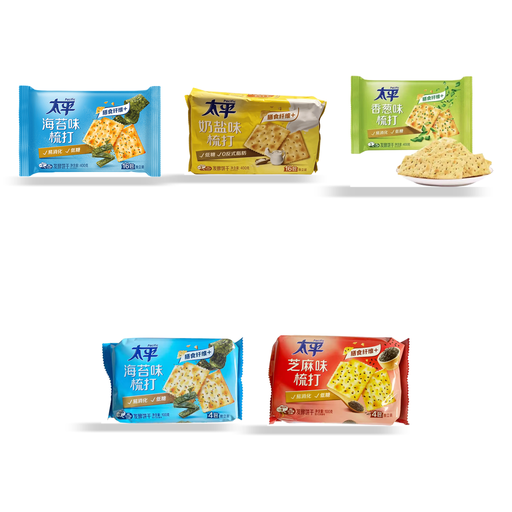
These Joybuy products include packs to share, individual portions and crackers to serve with toppings. Compare the pack size and label of the variety that suits your coffee break.
 No image available
A gift pack to consider if you’d like to share crackers over coffee.
Before buying, check the contents of each item, the allergens listed on the labels and the storage advice once opened.
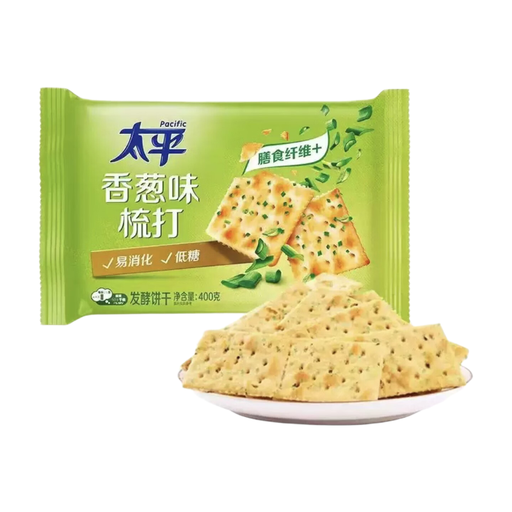 No image available
A family pack to consider if you’d like to share onion-flavoured crackers with your coffee.
The product name states 400 g. Check the portion sizes and the label for allergens; don’t infer a nutritional claim about iron from the name.
 No image available
A pack to consider if you want to compare the ingredients in crackers for toppings.
The product name states 300 g. Read the nutritional information per 100 g and check the label for allergens; don’t use the product name as a substitute for this information.
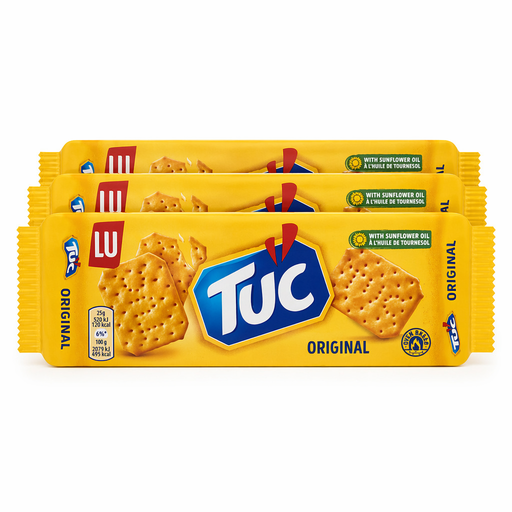 No image available
An option if you want to spread the crackers across several coffee breaks.
The product name states that there are three 100 g packs. Check the ingredients and allergens on the label before serving.
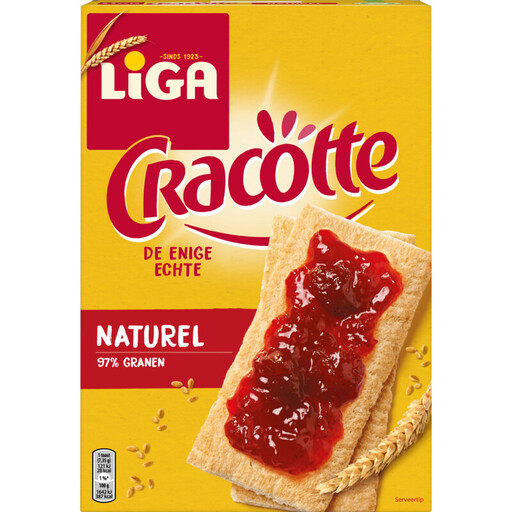 No image available
A plain cracker to consider if you want to serve a choice of toppings with coffee.
The product name states 250 g. Check the ingredients, allergens and storage instructions on the pack.
They’re handy if you serve crackers on different days and want to open only some of them at a time. Check how many are in each pack and follow the storage advice on the label once opened.
No. Fibre and wholegrain ingredients are different characteristics. Read the ingredients list to see which grains are used, and use the nutritional information per 100 g to compare the fibre content of different products.
Yes, check the packaging for every variety, especially if someone in your family has an allergy. Read both the ingredients and any warnings about the possible presence of allergens.
Follow the storage advice on the specific pack. Seal an opened pack properly if you plan to serve the remaining crackers later.