
If you’re watching your sugar intake
You want to put out crackers for your guests, so you compare the sugar content per 100 g. If you also want to avoid added sugar, check the ingredients list separately for sugar or syrup.


If you’re serving crackers with less sugar alongside coffee, compare like-for-like varieties using the ‘of which sugars’ figure per 100 g, then check the ingredients and allergens. Choose crackers to suit the toppings and your guests’ preferences. Terms such as ‘wholegrain’, ‘high-fibre’ and ‘low carb’ don’t tell you how much sugar they contain on their own.
You want to put out crackers for your guests, so you compare the sugar content per 100 g. If you also want to avoid added sugar, check the ingredients list separately for sugar or syrup.
You want to serve something crunchy with sweet or savoury toppings. A light, plain cracker and a more robust wholegrain or seeded variety won’t necessarily serve the same purpose.
Before serving, you want to know which ingredients and allergens are listed on the packaging of each variety you’ve chosen. This matters more than relying on the product name alone, such as ‘wholegrain’ or ‘seeded cracker’.
Start by comparing the sugar content of similar crackers. Then choose a texture to suit your toppings and check the packaging information for all your guests.
| What to consider | What to check when buying | Who should pay particular attention? |
|---|---|---|
| Sugars | Compare the ‘of which sugars’ figure per 100 g for the same type of cracker. Also check the ingredients if you want to limit added sugar. | I want to choose crackers for coffee whose sugar content I can compare, rather than relying on the front of the pack alone. Around 45% of consumers prioritise sugar content. |
| Texture and toppings | Choose between a light, plain cracker and a firmer wholegrain or seeded variety, depending on the toppings you plan to serve. | If I’m putting out different toppings, I want the crackers to go well with them and be easy to share. For around 33% of consumers, how easy they are to serve matters most. |
| Allergens | Read the ingredients, highlighted allergens and any ‘may contain’ statements on the packaging of the specific variety. | I want to know whether every guest can eat a cracker before I put the plate out. This is the top priority for around 22% of consumers. |
These terms refer to different properties. A cracker marketed for its carbohydrate or fibre content doesn’t automatically contain less sugar.
To compare sugar content, check the separate ‘of which sugars’ figure per 100 g.
The table shows the sugars present, but the ingredients list helps you see whether sugar has been added as an ingredient. Albert Heijn lists both 3.5 g of sugars per 100 g and sugar in the ingredients for AH Luchtige crackers naturel.
First check the total sugar content, then read the ingredients on the same pack.
The crackers described by Bolletje include cereals containing gluten and sesame. For its seeded variety, the brand also notes possible traces of egg, milk and nuts.
Ask your guests about any relevant dietary requirements and keep the current packaging to hand so you can check the ingredients.
Recipes and packaging can change, so information you read earlier may not match the product you’re serving now.
Before buying and serving, check the nutrition information, ingredients, allergens and best-before date on the packaging you’re actually using.
Bolletje offers light wholegrain crackers and seeded crackers, among other varieties. The distinction between wholegrain cereals or carbohydrates doesn’t replace a comparison of sugar content.
AH Luchtige crackers naturel provide a useful comparison point for a light, plain cracker.
Jumbo Luchtige Crackers Naturel are another plain variety whose nutritional values you can compare.
Under the Goud Gebakken range, ALDI offers both Low Carb Crackers and thin rye crackers to suit different preferences.
Lidl lists light crackers in plain and high-fibre varieties, in 250 g packs.
This selection of Joybuy products includes wholegrain rye crispbread, other crunchy crackers and a cracker marketed as low carb. First choose a type to suit your toppings, then check the sugars and allergens on each pack. The ‘low carb’ label doesn’t answer the question of sugar content on its own.
 Image unavailable
A rye cracker to consider if you want to serve a crunchy base for toppings with your coffee. Compare the sugars per 100 g and check the ingredients and allergens on the packaging.
 Image unavailable
An option if you want a crunchy cracker and are also thinking about fibre. Assess the sugar content separately and read the allergen information before serving these to guests.
 Image unavailable
A wholemeal crispbread to put out alongside other toppings. Compare the nutrition information per 100 g and check the allergens on the current packaging.
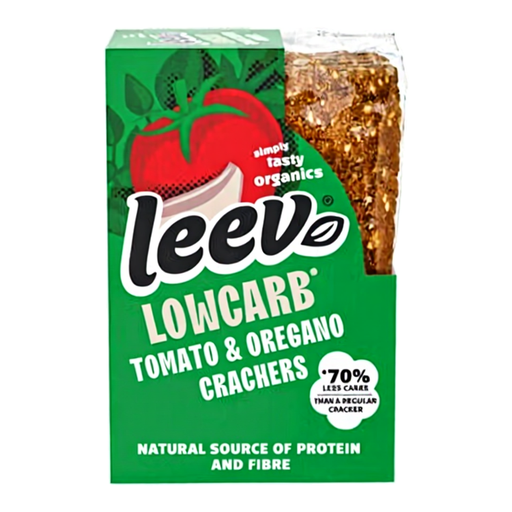 Image unavailable
A tomato and oregano variety for anyone considering a cracker with a more pronounced flavour. Check the ‘of which sugars’ figure per 100 g separately from the low-carb label, and read the allergen information before serving.
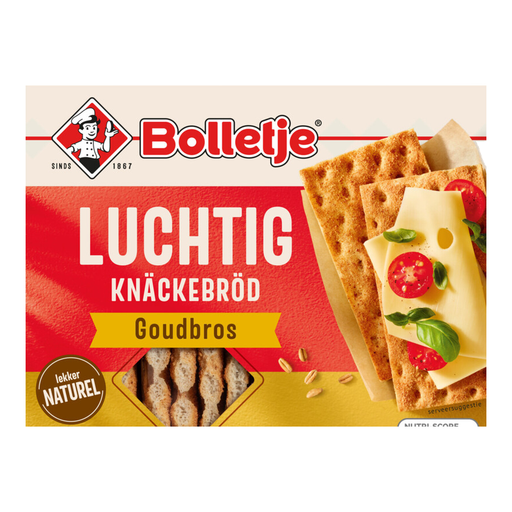 Image unavailable
A light cracker to consider if you want a lighter base for toppings. If you’re choosing based on sugar content, check the nutrition table rather than relying on ‘Light’ in the name. Check the allergens too.
Read the ‘of which sugars’ figure per 100 g and compare crackers of the same type. The Voedingscentrum sets a maximum of 5 g of sugars per 100 g for the ‘low sugar’ nutrition claim. Also check the ingredients list if you want to limit added sugar.
No. The label refers to carbohydrates and doesn’t tell you the sugar content separately. For example, ALDI lists 1.2 g of carbohydrates per cracker for Goud Gebakken Low Carb Crackers. If you’re watching your sugar intake, compare the ‘of which sugars’ figure per 100 g on the packaging.
Before serving, read the ingredients and allergen information for each specific cracker you’re offering. The Netherlands Food and Consumer Product Safety Authority explains allergen labelling. For the product types discussed here, cereals containing gluten and sesame are among the things to look out for, although the information varies by variety.
Reseal the pack securely after opening and store the crackers in a dry place, following the instructions on the packaging. Jumbo advises resealing the pack of its Luchtige Crackers Naturel, while Albert Heijn recommends keeping its light plain crackers in a closed tin in a cool, dark, dry place.
Use it to shortlist products, but check the packaging you’ve bought before serving. Albert Heijn says that ingredients, nutritional values and allergen information can change when products are updated.