
Tea drinkers looking to cut down on sugar
You’re after something crunchy instead of a sweet biscuit. The ‘of which sugars’ line helps you compare crackers, even when the front of the pack highlights something else.


If you want to eat less sugar with your tea, compare similar crackers per 100 g by their ‘of which sugars’ value, rather than relying on a claim on the front of the pack. A low sugar value alone tells you nothing about fibre, salt, fat or allergens, so check those details and your toppings separately.
You’re after something crunchy instead of a sweet biscuit. The ‘of which sugars’ line helps you compare crackers, even when the front of the pack highlights something else.
You want wholegrain crispbread or seed crackers with your tea, and you’re comparing sugar and salt as well as fibre. The Netherlands Nutrition Centre recommends comparing nutritional values per 100 g.
You distinguish between total carbohydrates and sugars. If you need to avoid certain ingredients, you also check the allergen information on the current packaging.
Start with the factor that matters most to you at tea time. Then compare the other nutritional information for similar crackers, so choosing based on sugar doesn’t unintentionally take priority over something else.
| What to consider | What to check when buying | Who it matters to |
|---|---|---|
| Sugars | Compare the ‘of which sugars’ value per 100 g for similar crackers. Check the ingredients list if you also want to keep an eye on added sugar. | I want to choose a savoury snack with my tea without relying on wording on the front of the pack. Around 38% of consumers prioritise the amount of sugar. |
| Fibre and wholegrain | Check the ingredients and the amount of fibre per 100 g; also check the sugar and salt content. | For my tea break, I’m looking for a cracker where the wholegrain base and fibre matter too. This is the top priority for around 37% of consumers. |
| Other nutritional information and allergens | Compare carbohydrates, fat, energy and salt per 100 g. If you have an allergy, check the allergen information on the current packaging. | I need to look beyond sugar, perhaps because of carbohydrates or ingredients I can’t eat. This is the top priority for around 25% of consumers. |
Carbohydrates and sugars are listed separately in the nutrition table. Albert Heijn lists 15 g of carbohydrates, of which 2.8 g are sugars, per 100 g for Bolletje Protein & Low Carb Crackers.
Decide which value you want to compare, and check the other nutritional information on the pack too.
‘No refined added sugars’ doesn’t tell you the total amount of sugar in a product.
Use the ‘of which sugars’ value per 100 g to compare products, and check the ingredients list if added sugar matters to you.
A cracker may suit your preference for wholegrain ingredients, but sugar, salt and your choice of topping still need separate consideration.
Compare the nutritional values of similar products, then decide which flavour and texture would work best with your topping.
For crackers containing grains or seeds, allergens can be a deciding factor when you buy. Ingredients and packaging information can also change.
If you have an allergy, check the current packaging, including ‘contains’ and ‘may contain’ statements.
Bolletje offers both standard crackers and Protein & Low Carb Crackers. This makes the brand worth considering if you want to compare different types of crackers, without assuming that ‘low carb’ means low in sugar.
Wasa offers crispbread as a crunchy base for toppings. Compare the nutritional information for each variety; figures for Wasa Original Crisp don’t automatically apply to other Wasa crispbreads.
The Smaakt flaxseed cracker reviewed here is a seed-based option for anyone looking for a different flavour and texture from standard crispbread.
Albert Heijn product sheets can help you compare the nutritional information for crackers before you buy.
This selection includes plain matzo crackers, crispbread and a filled crispbread snack. First decide what kind of snack you’d like, then check the current nutritional information and allergen details on the packaging.
 No image available
Rye crispbread to enjoy with toppings alongside your tea. Check the sugar and salt content on the current packaging, and check the allergens if they’re important to you.
 No image available
A crispbread variety to consider if fibre is one of your priorities. Also check the sugar, salt and allergen information on the pack.
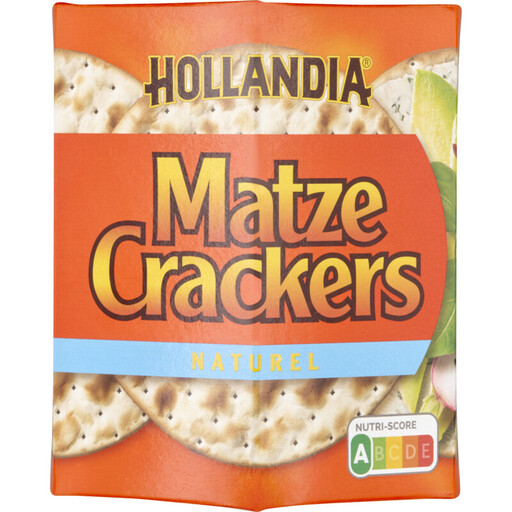 No image available
A plain matzo cracker to enjoy with tea or with a topping. Check the nutritional values and full allergen information on the packaging before choosing.
 No image available
Wholegrain crispbread to top and enjoy with your tea. Compare the nutritional values per 100 g with other crispbread varieties, and check the allergen information on the packaging.
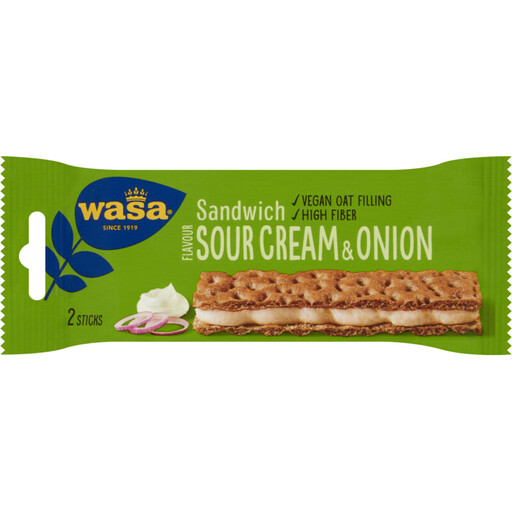 No image available
A filled crispbread snack for when you’d rather not add your own topping with your tea. For this variety, check the fat and salt content, as well as the sugar and allergen information on the pack.
Compare similar crackers per 100 g by their ‘of which sugars’ value, as the Netherlands Nutrition Centre recommends for nutritional information. Then check the ingredients list if you also want to know which sugar-containing ingredients have been used. The nutrition table includes all sugars, including those that occur naturally.
No. ‘Low carb’ refers to carbohydrates and doesn’t tell you the amount of sugar on its own. For Bolletje Protein & Low Carb Crackers, Albert Heijn lists 15 g of carbohydrates and 2.8 g of sugars per 100 g as separate values. Compare the value that matters to you with the alternative.
Yes. If you need to avoid certain ingredients, the allergen information on the current packaging is what matters when making your choice. Check both which allergens the product contains and any ‘may contain’ statements; a low sugar value tells you nothing about this.