What should you look for when choosing?
First decide what matters most to you: fibre, the amount you feel comfortable eating, allergens or how you’ll serve the crackers. Then use the label to compare crackers on the same nutritional basis; the name or front of the pack won’t tell you the whole story.
| What to consider |
What to check when buying |
Who it matters to |
| Fibre |
Compare fibre per 100 g and consider how many crackers make up a portion for you. Check the ingredients if you’re looking for a wholegrain cereal base. |
I want my choice of cracker to fit with my fibre intake, without judging an entire sharing platter by one claim. For around 33% of consumers, fibre is the main consideration. |
| How much fibre you eat at once |
Check the fibre content and how much you plan to eat, especially if you don’t usually eat many high-fibre foods. |
A festive evening isn’t a good time for me to suddenly eat much more fibre than usual. For around 27% of consumers, the amount they can tolerate is the top priority. |
| Allergens |
Read the ingredients and allergen information on the exact pack; don’t assume a cracker is suitable based on words such as ‘wholegrain’ or ‘light’. |
If I’m serving crackers to someone with an allergy or who needs to avoid gluten, I need to know what’s in that variety. This check is the main priority for around 27% of consumers. |
| Texture and serving |
Choose a firm, thin or light cracker to suit your topping or dip. If nutritional value matters too, compare the labels. |
I’m mainly looking for a crisp base that’s easy to serve with toppings. For around 13% of consumers, how the crackers will be served is the first thing they consider. |
Fibre values per 100 g are useful for comparing packs, but they don’t tell you how much fibre you’ll get from your own portion. A thin cracker isn’t necessarily lower in salt or different in nutritional value simply because of its shape. Ingredients can also vary between crackers of the same type. If a guest needs to avoid something, the information on the pack you’ve chosen takes precedence over the product name.
Brands compared
These brands offer different types of crackers. The features mentioned apply to the products described, not to every product from each brand. Always compare the variety and its packaging before choosing.
Bolletje
Bolletje offers, among other things, light wholegrain crackers and crackers with seeds. The brand is worth considering if you mainly want to compare the shape and fibre content of individual varieties.
- Albert Heijn lists 18 g of fibre per 100 g for Bolletje 45% Seeds Crackers Sunflower Seed.
- The Bolletje varieties described list gluten-containing cereals and sesame. If you have an allergy, check the label on the pack you choose.
Melba
Melba Wholegrain is a light, airy cracker that can make a small base for toppings.
- Jumbo describes the Melba Wholegrain variety reviewed as a cracker made from 100% wholegrain cereals.
- The product information lists wheat, sesame, soya, barley and rye, among other ingredients. Its light, airy shape doesn’t mean it’s suitable for someone with an allergy.
Albert Heijn
The own-brand range includes firm wholegrain crackers, an option to consider if you want to serve toppings on a sharing platter.
- Albert Heijn lists 13 g of fibre per 100 g for AH Firm Wholegrain Crackers, which come in a resealable pack.
- Sesame and gluten-containing cereals are among the ingredients listed for this product. Albert Heijn warns that product information may change, so check the pack.
Jumbo
Jumbo offers organic wholegrain crackers with seeds, among other products, if you’re specifically looking to compare this type.
- Jumbo lists 12,4 g of fibre per 100 g for Jumbo Organic Wholegrain Crackers.
- The product information lists several gluten-containing cereals and sesame, and states that eggs, milk and soya may be present. ‘Organic’ is no substitute for checking allergens.
Lidl
Lidl lists a plain variety and a variety described as high-fibre among its light crackers.
- The choice between plain and the variety described as high-fibre gives you a useful starting point for comparing labels in-store.
- Check the ingredients, allergens and nutritional information on each pack before choosing a variety for your guests.
ALDI / Goud Gebakken
The Goud Gebakken range at ALDI includes thin rye crackers and robust crackers in multigrain or spelt varieties.
- The different shapes and types of grain offer a range of options for crackers to serve with toppings.
- Check which varieties are available in-store, and read the label on the pack for nutritional and allergen information.
Crackers for your sharing platter
These Joybuy products are wholegrain, rye or thin crackers to consider as a crisp base. First choose the shape you want, then check the pack for fibre per 100 g, portion size and ingredients. The product name alone won’t answer those questions.
 No image available
Wasa Sourdough Rye crackers, 235 g
A rye cracker to consider if you’re looking for a crisp base for toppings. The pack contains 235 g; if you’re comparing fibre content, check the nutritional information per 100 g and the amount you plan to serve.
If you have an allergy or need to avoid gluten, check the ingredients and allergen information on the exact pack.
View at Joybuy
 No image available
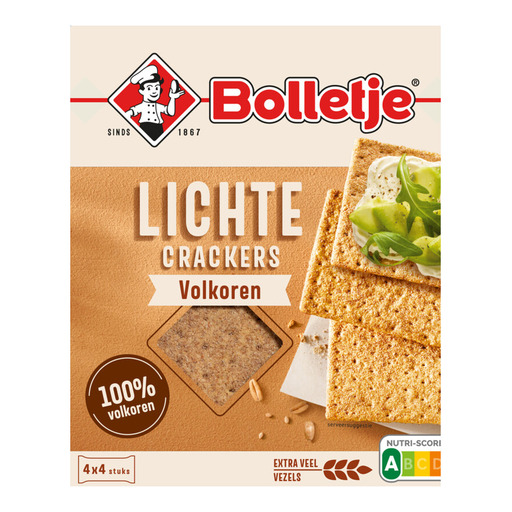
Bolletje Light Whole Grain crackers, 190 g
A thin wholegrain cracker for anyone who wants the toppings to take centre stage on their sharing platter. The pack contains 190 g; Albert Heijn lists 15 g of fibre per 100 g for Bolletje light wholegrain crackers.
‘Light’ in the product name alone doesn’t mean the crackers have a lower energy value or are suitable for people with allergies. Check the nutritional and allergen information on the pack you choose.
View at Joybuy
 No image available
Wasa High-Fiber crackers, 300 g
A cracker to compare if fibre is an important factor in your choice. The pack contains 300 g; for a comparison with other crackers, check the total fibre per 100 g and consider your own portion size.
The description in the product name doesn’t tell you how you’ll personally tolerate a larger portion. Also read the ingredients and allergen information before serving these crackers to guests.
View at Joybuy
 No image available
Wasa Lightweight crackers, 300 g
A thin cracker for anyone looking for a light base for toppings. The pack contains 300 g; ‘Lightweight’ doesn’t automatically describe its energy value or fibre content.
If you want to compare the fibre content of different crackers, check the value per 100 g on the current packaging. If you have an allergy, also check the ingredients and allergen information for this exact variety.
View at Joybuy
 No image available
Wasa Wholegrain Crispbread, 260 g
A wholegrain crispbread to consider if you want a crisp base for toppings. The pack contains 260 g.
If you’re choosing mainly based on fibre, compare the amount per 100 g on the pack with that of other crackers. If you’re serving guests with an allergy or who need to avoid gluten, also check the ingredients and allergen information.
View at Joybuy
Frequently asked questions
Can I suddenly eat lots of high-fibre crackers on Sinterklaas evening?
A sudden, significant change to your fibre intake won’t suit everyone. According to the Netherlands Nutrition Centre, switching to a high-fibre diet can temporarily cause wind. Increase the amount gradually and drink plenty of fluids. The portion you eat that evening matters too.
Are wholegrain crackers automatically free from gluten or sesame?
No. ‘Wholegrain’ doesn’t mean a cracker is free from gluten or sesame. The crackers described contain a variety of cereals and sometimes sesame. If you have an allergy or need to avoid gluten, always read the ingredients and allergen information on the exact pack.
Do ‘light’ or ‘high-fibre’ tell me enough to choose the right cracker?
No. A single description doesn’t answer every question about a cracker. Compare the nutritional information that matters to you, such as fibre and salt per 100 g, and check the ingredients, allergens, portion size and toppings you plan to serve.
How should I store leftover crackers after Sinterklaas evening?
Follow the storage instructions on the packaging of the crackers you’ve bought. For the Bolletje, Albert Heijn, Jumbo and Melba products described, these include storing them in a dry place and, where indicated, closing the pack securely. Instructions may vary between products.


